Men's Activewear Store on Amazon
Technical fabrics and training staples — from base layers to tracksuits
Men's activewear is clothing engineered for movement: workout shirts and tees, running shorts, athletic sweatpants, base layers, hoodies, tracksuits and the socks and supporters that complete a training kit. The men's activewear store on Amazon gathers that gear across a wide range of technical materials, colors, styles and brands — whether the target is marathon training, a regular gym routine, or durable clothes that simply keep up with an active day, the department is organized by garment so a kit can be built piece by piece.
Activewear shopping is specification shopping. Moisture management, stretch, breathability, inseam length, pocket security and fabric weight decide whether a garment performs or distracts, and all of them are stated on product pages for shoppers who know to look. This guide covers how the store's categories divide, how to read technical-fabric claims sensibly, and how to size and care for performance clothing so its properties survive the wash cycle after cycle.
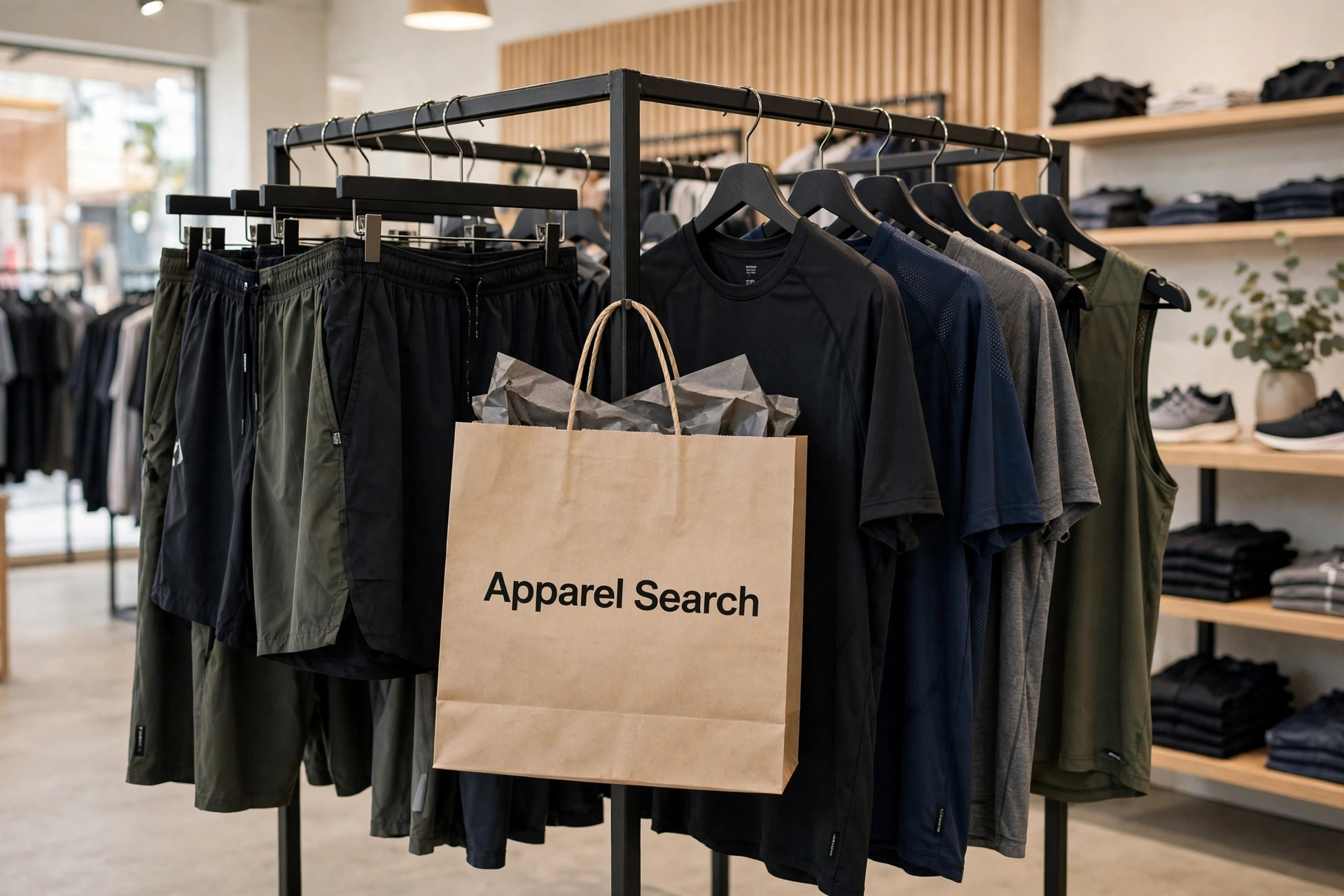
Training kit sorted, everyday dressing awaits at the Apparel Search Amazon clothing guide — the full men's clothing store in one place.
Building a Training Kit by Category
Start with the layer against the skin. Active shirts and tees and active underwear in synthetic or merino fabrics move sweat away from the body; cotton, comfortable for casual wear, holds moisture and chafes on long efforts. Active shorts divide by inseam and liner: shorter, lined shorts suit running, while longer unlined styles suit lifting and court sports. Active pants and sweatpants cover warm-ups, travel and cooler sessions, and tracksuits coordinate the two into one purchase.
Upper layers follow the weather. Active hoodies and sweatshirts handle cool starts, active vests keep the core warm without restricting arms, and active and performance outerwear — including track and active jackets — adds wind and light rain protection. Base layers in graded weights extend the same kit into winter. Athletic socks with cushioning placed at heel and toe, and athletic supporters for high-impact sports, are small categories with outsized effects on comfort.
Reading Technical Fabrics Sensibly
Performance claims translate into plain properties. Moisture-wicking means the fabric pulls sweat to its surface to dry; mesh panels mean ventilation in heat zones; four-way stretch means the garment moves in every direction the body does; flatlock seams mean less chafing over distance. Compression fits support muscles and stay put, regular fits favor airflow and casual versatility, and neither is better outside the context of the activity it was designed for.
Fabric weight is the quiet specification: lighter knits for summer and indoor training, brushed and fleece-backed fabrics for cold-weather base and mid layers. Reflective details matter for runners and cyclists in low light — check for them deliberately rather than discovering their absence. Product pages group these details in feature lists, and comparing two or three listings side by side makes the trade-offs visible quickly.
Fit, Care and Longevity
Size activewear by the activity. Running gear should not flap or bind at full stride; lifting gear needs room through the shoulders and thighs; base layers must fit close to work, since loose fabric cannot wick effectively. Inseam numbers on shorts and pants are the most reliable fit data on the page — compare them with a garment already in rotation. Tall and extended sizes exist in most categories for shoppers who need length as well as width.
Care preserves the technology. Wash performance fabrics cool, skip fabric softener — it coats the fibers that do the wicking — and air-dry or tumble low to protect elastane. Turn garments inside out to protect prints and reflective details. Treated this way, good activewear outlasts several training cycles; treated like ordinary laundry, it slowly becomes ordinary clothing, which is the surest sign the care routine, not the garment, failed first.
Common Questions
What counts as men's activewear?
Workout shirts and tees, active shorts and pants, sweatpants, base layers, hoodies and sweatshirts, tracksuits, vests, performance jackets, active underwear, athletic socks and supporters — all in fabrics designed for movement and sweat management.
Why not just train in cotton?
Cotton absorbs sweat and holds it against the skin, getting heavy and causing chafing on longer efforts. Technical synthetics and merino move moisture outward to dry, which is why they dominate running and training categories.
How should performance clothing be washed?
Cool wash, no fabric softener, and air-dry or low tumble heat. Softener coats wicking fibers and dryer heat degrades stretch, so these two habits preserve the properties you paid for.
More to Explore
- Amazon Fashion Stores
- Men's Activewear Guide
- Men's Athletic Apparel Guide
- Men's Shoes
- Fashion Stores
- Men's Shoe Guide
- Men's Fashion
- Fashion Stores by Name
- Fashion Retail by Stores Location
- Fashion Retail by Category
- Fashion Stores in the USA
- Men's Apparel
- Men's Fashion on Amazon
- Men's Clothing Stores
- Men's Clothes Guide
- Men's Fashion Brands
- Men's Fashion Shopper
- Men's Fashion Store
- Kids Fashion Store