The eBay Fashion Vault
Curated and standout fashion on eBay — statement pieces, rare finds and how vault-style selections are bought
The Fashion Vault concept gathers eBay's standout fashion into one curated place: the sequined dress, the archive runway piece, the handbag that rarely surfaces. Curation changes the buying problem — instead of searching millions of listings, the shopper judges a shortlist — but it does not remove the auction fundamentals. This guide explains what vault-style selections tend to hold, how their prices behave compared with open search, and the authenticity and condition checks that matter most when a single piece carries the whole purchase.
The draw of the auction format in this category is choice at every price: current pieces, discontinued lines and vintage finds sit side by side. Work through the item notes, the fit and fabric checks and the bidding tactics in turn and the category becomes easy to shop.
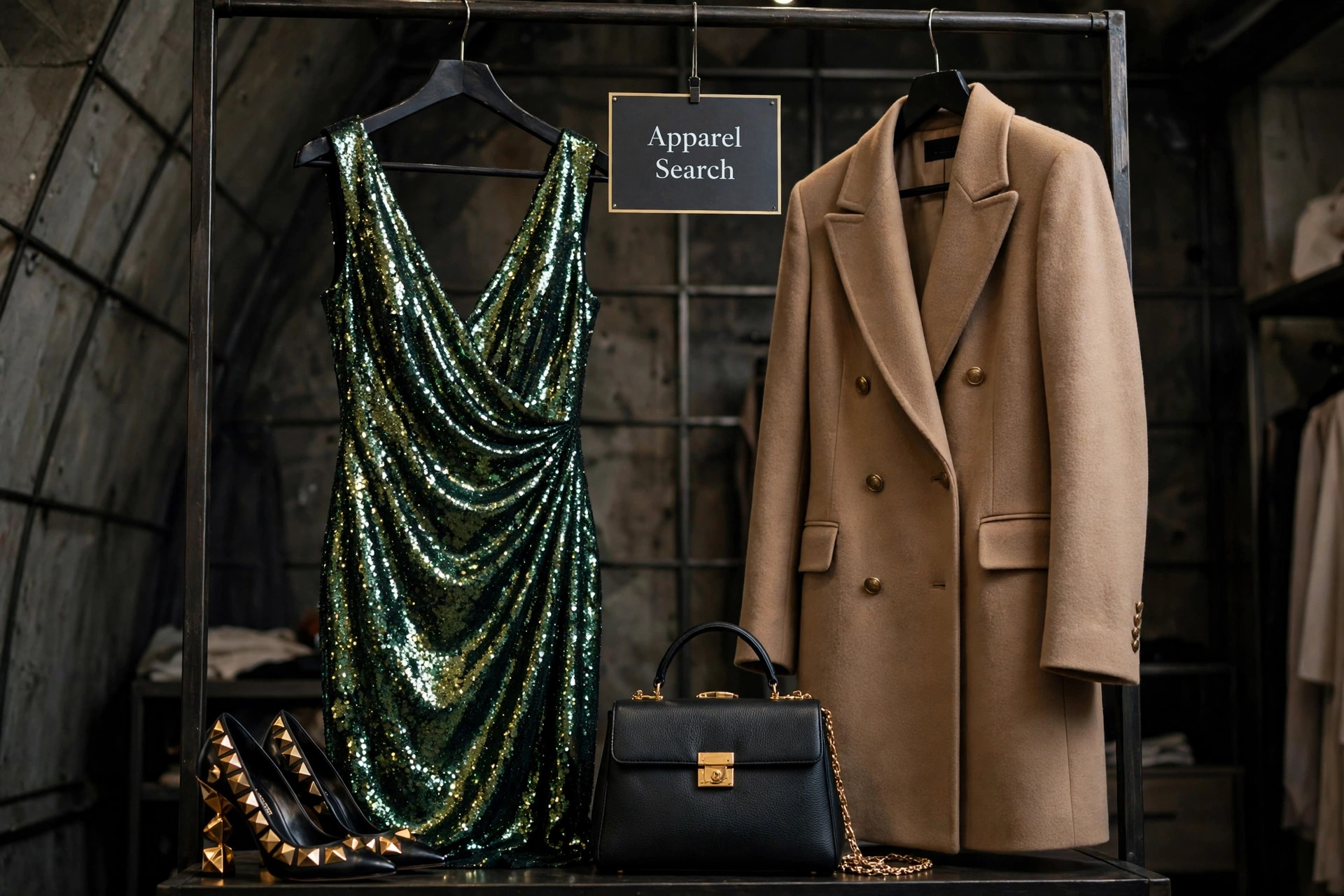
Vault pieces are one-offs; wardrobe staples are not. When the errand is an everyday piece at a known price, the Apparel Search Amazon clothing guide is the fixed-price route — save auction energy for the finds that justify it.
What a Curated Rail Holds
The vault and curated fashion on eBay listings on eBay typically cover statement evening and occasion dresses, archive and runway pieces, rare and discontinued handbags, collectible sneakers and shoes, designer coats and tailoring and one-off sample garments. Sellers range from individuals clearing a wardrobe to specialist dealers and outlet accounts, so condition, photography and description depth vary a great deal from one listing to the next. Expect fewer, better-photographed listings, often from established sellers who know exactly what they have — bargains exist, but they come from timing rather than seller ignorance. Start a search broad, then narrow by size, color and condition filters; saved searches with email alerts catch the short auctions that end before a casual browser ever sees them.
Seller wording is inconsistent, so run several searches rather than one: "runway sample"; "archive designer"; "rare vintage dress"; "limited edition bag". Misspellings and vague titles are where the quiet bargains hide, because fewer bidders find those listings. Curated rails are a starting point, not a boundary — run the same piece through open search to see whether an uncurated twin is listed for less. Sort by ending soonest to catch neglected auctions, and by price plus postage to compare the true delivered cost — a low bid price with high shipping is rarely the cheapest route to the garment.
Samples, Embellishment and Condition
Fit first: statement pieces are often samples, which run small and carry non-standard sizing, so sample listings must be judged on measurements alone. Auction listings cannot be tried on, so the measurements in the description — taken flat, in inches or centimetres — are the only reliable guide, and a seller who lists none is worth a message before bidding. On materials, expect silk and embellished occasion fabrics, fine wool and cashmere, full-grain leather and vintage synthetics. Embellishment is the fragile point of vault pieces — sequins, beading and feathers shed in wear and in post, so check close-up photographs of the decorated areas.
Condition decides value in this category more than age does. For a one-off piece, condition questions are worth asking before bidding, not after: storage odor, underarm wear and heel condition change what a statement piece is worth. Study the photographs at full size, read the returns policy, and check the seller's feedback for the pattern that matters — accurate descriptions — rather than the headline score alone. A garment described as new with tags should still show the tags in a photograph; if it does not, ask.
Pricing a One-Off Piece
Timing shapes price here. Occasion pieces list ahead of party season and wedding season, and the same dresses return to the market in January at noticeably softer prices. A vault purchase is a wardrobe anchor — one remarkable piece, worn for years, justifies more research and a firmer budget than any staple. Set a maximum that includes postage, bid it once, and let the automatic bidding work — chasing an auction past your ceiling is how bargains turn into overpayments. Never let curation substitute for authentication: a famous name in a curated rail still deserves the label, stitching and hardware checks in the designer guide.
Common Questions
What should I check first when buying vault and curated fashion on eBay on eBay?
Measurements and condition. statement pieces are often samples, which run small and carry non-standard sizing, so sample listings must be judged on measurements alone. Then confirm the fabric content and read the seller's returns policy before bidding.
Which search phrases find the best vault and curated fashion on eBay listings?
Try several seller wordings — runway sample, archive designer, rare vintage dress — and save the searches so short or mis-titled auctions are caught before they end.
When is the cheapest time to buy vault and curated fashion on eBay at auction?
Occasion pieces list ahead of party season and wedding season, and the same dresses return to the market in January at noticeably softer prices. Bidding on off-peak endings and setting a firm maximum that includes postage keeps the delivered price down.