Helmut Lang Women's Fashion Brand
At the age of eighteen, Helmut Lang began to teach himself clothing design, and a few years later he opened a made-to-measure shop in Vienna. Helmut Lang is an Austrian artist and former fashion designer who lives and works in New York and on Long Island. The self-taught start matters to the record: this is a designer formed outside fashion's schools, in a made-to-measure shop - one client, one garment, fit as the whole discipline - and the label that carries his name grew from that bench rather than from a house's atelier tradition.
Shop Women's Helmut Lang Now
Shop Women's Helmut Lang on Amazon Shop Women's Helmut Lang on eBayThe Amazon and eBay links on this page are affiliate links. If you make a purchase through them, Apparel Search may earn a commission.
At the age of eighteen, Helmut Lang began to teach himself clothing design, and a few years later he opened a made-to-measure shop in Vienna. Helmut Lang is an Austrian artist and former fashion designer who lives and works in New York and on Long Island. The self-taught start matters to the record: this is a designer formed outside fashion's schools, in a made-to-measure shop - one client, one garment, fit as the whole discipline - and the label that carries his name grew from that bench rather than from a house's atelier tradition.
Lang used unconventional materials such as rubber, feathers and metallic fabrics and redefined the silhouette of the 1990s and early 2000s. Hold the two halves together: unconventional materials, handled with a tailor's discipline. Rubber, feathers and metallic cloth are difficult, unstable inputs; a made-to-measure training is precisely what lets a designer cut them into a silhouette disciplined enough to redefine a decade's. For a women's shopper, that is the test of a piece from this label: experiment in the material, rigour in the cut - both should be present, or the piece is only half in the house's language.
Against the Spectacle: the First Streamed Collection
He broke away from the runway show-as-spectacle in the height of the 1980s opulence and was the first to stream his collection online. That sentence records two refusals and one invention. The refusals: of 1980s opulence as an aesthetic, and of the runway spectacle as a format. The invention: putting a collection online first, treating a screen as a legitimate place for fashion to debut. A minimalist designer's logic runs through all three - if the clothes are the content, neither a gilded room nor a theatrical show is required to present them.
The profile's present tense deserves a researcher's care: it calls Lang an Austrian artist and former fashion designer who lives and works in New York and on Long Island. Former fashion designer is the description - the man behind the name had stepped from fashion into art, while the label bearing his name continued to be listed and sold. A buyer of later pieces should therefore attribute them to the house the designer founded and left his name to, not imagine his hand in every season.
The 1999 Prada Sale, and Buying the Label
In 1999, Lang sold a 51% stake in his company to the Prada Group - a majority stake, sold at the height of the period in which he redefined the silhouette. Majority sales change who decides a label's future, and a researcher dating pieces should keep 1999 as the hinge: the founder-led company before it, a Prada Group majority after it. No later ownership facts are claimed; the record ends with the sale, the artist description, and the New York and Long Island base.
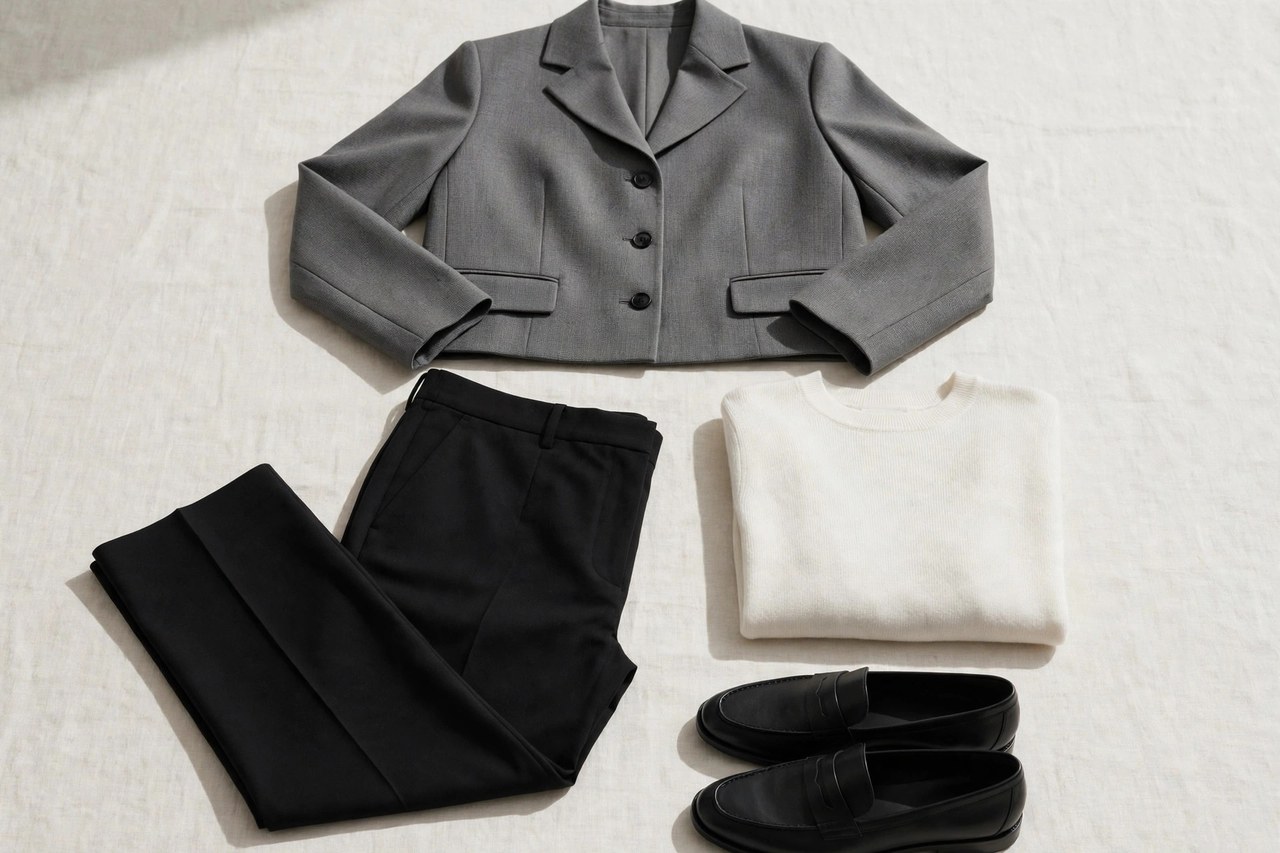
Shop the women's label by silhouette first, as its decade-defining claim demands: clean, close, architecturally simple shapes whose interest is proportion. Then shop the materials with a specialist's caution - rubber, feather and metallic elements age faster than cloth, so examine vintage pieces for cracking, shedding and surface loss, and store them away from heat and light. Care is conservative: specialist cleaning for unconventional materials, folded storage for fine knits, and no improvisation with solvents on rubberised or metallic finishes. Self-taught at eighteen, made-to-measure in Vienna, the silhouette of the 1990s redrawn in rubber and feathers, and a collection streamed online before anyone else thought to: the Helmut Lang record is a discipline story, and its clothes should be bought the same way - by the cut, honestly examined.
Common Questions
How did Helmut Lang start in fashion?
He began to teach himself clothing design at the age of eighteen, and a few years later opened a made-to-measure shop in Vienna.
What is Helmut Lang credited with in presentation?
He broke away from the runway show-as-spectacle at the height of 1980s opulence and was the first to stream his collection online, per the profile.
What happened to his company in 1999?
In 1999 Lang sold a 51% stake in his company to the Prada Group; he is an Austrian artist and former fashion designer living and working in New York and on Long Island.
More in Women's Fashion Brands H
The H letter hub and related H brands:
Photos

More to Explore on Apparel Search
References & Further Reading
Looking for Women's Clothing Stores?
This profile helps you research the Helmut Lang women's fashion brand. To browse where to buy, visit our women's clothing store directory, where you can find retailers that carry women's clothing.