K-Swiss Women's Fashion Brand
K-Swiss was founded in 1966 in Los Angeles, California, by two Swiss brothers, Art and Ernie Brunner. They became interested in tennis after immigrating to the United States. From the beginning, K-Swiss has been driven by an entrepreneurial spirit and a steadfast pursuit of turning dreams into reality, starting when two Swiss brothers moved to California to create a footwear brand focused on tennis. That founding is unusually complete in one paragraph - a year, a city, two named brothers, an immigration, and a sport - and it explains the brand ever since: a Swiss-named, California-made footwear company whose first and defining subject was the tennis court.
Shop Women's K-Swiss Now
Shop Women's K-Swiss on Amazon Shop Women's K-Swiss on eBayThe Amazon and eBay links on this page are affiliate links. If you make a purchase through them, Apparel Search may earn a commission.
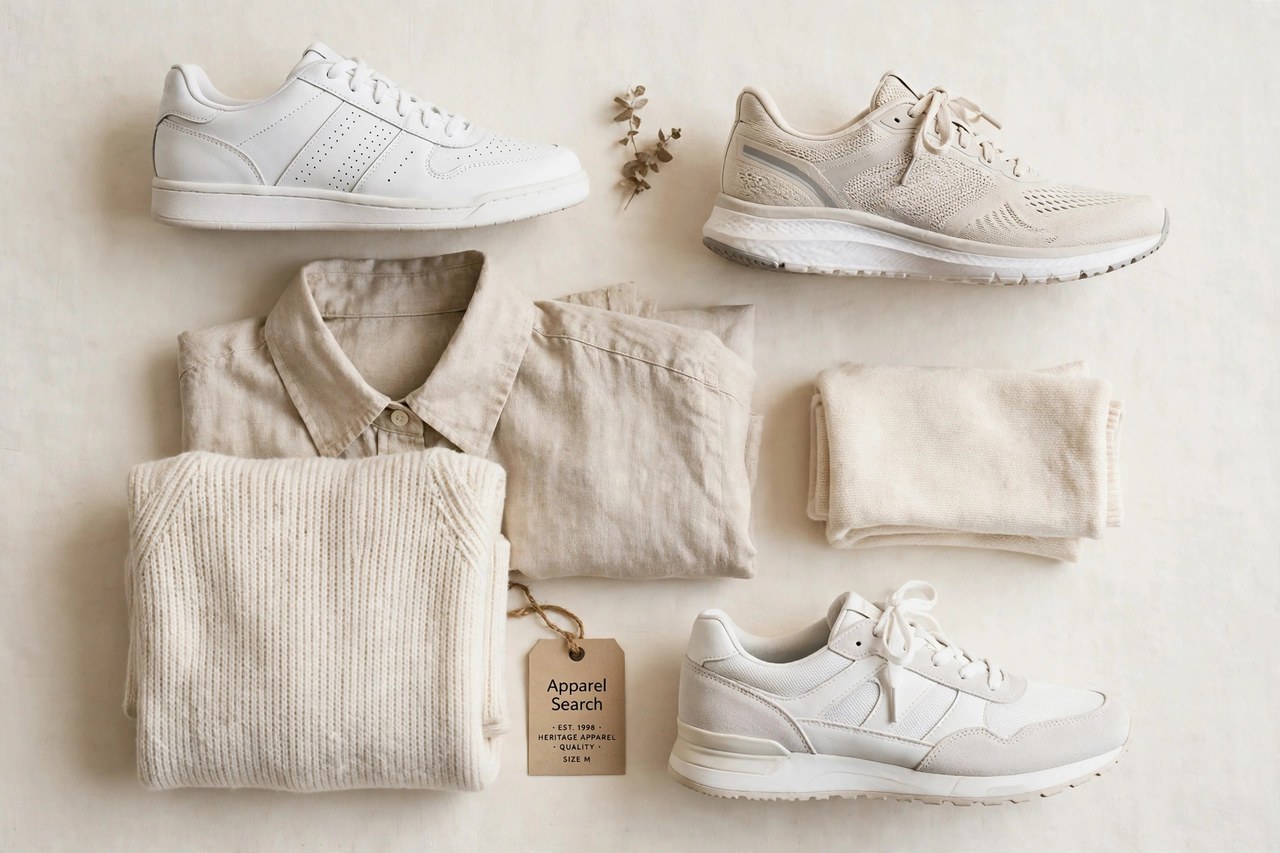
K-Swiss was founded in 1966 in Los Angeles, California, by two Swiss brothers, Art and Ernie Brunner. They became interested in tennis after immigrating to the United States. From the beginning, K-Swiss has been driven by an entrepreneurial spirit and a steadfast pursuit of turning dreams into reality, starting when two Swiss brothers moved to California to create a footwear brand focused on tennis. That founding is unusually complete in one paragraph - a year, a city, two named brothers, an immigration, and a sport - and it explains the brand ever since: a Swiss-named, California-made footwear company whose first and defining subject was the tennis court.
Bridging court performance and everyday comfort with heritage-inspired designs, K-Swiss is reinventing modern court style, creating footwear and apparel to lend iconic status to the game changers of tomorrow. That is the modern brand's own statement, and its three parts are a shopping guide in themselves: court performance, so the shoes must work as sports footwear; everyday comfort, so they must also live off the court; and heritage-inspired design, so the look reaches back to the brand's own tennis history rather than chasing unrelated trends. Judge any women's K-Swiss shoe against all three claims, in that order, and the brand's positioning becomes easy to test in a shop.
Tennis First: What Court Heritage Means in a Shoe
A footwear brand focused on tennis from 1966 is built around a court's specific demands, and those demands shape the women's range whether a wearer plays or not. Tennis movement is lateral as much as forward - stops, pivots and side-steps - so a court shoe is judged on stability through the sides, a sole that grips without grabbing, and an upper that holds the foot when it moves sideways. Everyday comfort, the brand's second claim, adds the other half of the test: cushioning and fit that survive a full day on foot, not just a set. A heritage-inspired design should then be readable at a glance - clean court lines, in the tradition the Brunner brothers started.
Apparel Search's K-Swiss brand news is linked from this page, because a heritage brand's current collections are best followed where the directory itself tracks them. For players, buy by surface and intensity: the more seriously you play, the more the performance claim should dominate your choice, in support and sole. For everyday wearers - the majority of a court classic's customers - buy by the comfort and heritage claims: the shoe as a clean, stable, comfortable sneaker whose court ancestry shows in its shape. Both buyers are shopping the same 1966 idea at different intensities, which is exactly what bridging court and everyday means.
Shopping K-Swiss Women's Footwear Well
Fit a court-derived shoe late in the day and in sports socks if you will play in it: toes need room for forward stops, the midfoot needs to feel held for lateral work, and the heel should sit without lifting. Check the flex - a tennis shoe bends at the toes while staying firm through the middle - and the sole's pattern and depth, since court grip is its working surface. In the brand's apparel, apply the same heritage test: pieces should read as court-born, clean and functional, rather than generic sportswear with a logo applied. Heritage only earns its premium when the design genuinely descends from the game it was born in.
Care keeps court shoes honest: brush soles clean so grip patterns stay open, let wet shoes dry naturally away from heat, and rotate pairs if you play often, because compressed cushioning needs rest to recover. The brand's official women's footwear page, kswiss.com is linked in References below. Founded in Los Angeles in 1966 by Swiss brothers Art and Ernie Brunner, focused on tennis from the beginning, and now bridging court performance and everyday comfort with heritage-inspired designs: K-Swiss closes the K letter as its court classic, built for the game changers of tomorrow in the brand's own words.
Common Questions
When and where was K-Swiss founded, and by whom?
In 1966 in Los Angeles, California, by two Swiss brothers, Art and Ernie Brunner, who became interested in tennis after immigrating to the United States.
What is K-Swiss's focus?
A footwear brand focused on tennis from the beginning, driven by an entrepreneurial spirit and a steadfast pursuit of turning dreams into reality.
How is the modern brand described?
Bridging court performance and everyday comfort with heritage-inspired designs, reinventing modern court style and creating footwear and apparel for the game changers of tomorrow.
More in Women's Fashion Brands K
The K letter hub and the other K brands:
Photos

More to Explore on Apparel Search
References & Further Reading
Looking for Women's Clothing Stores?
This profile helps you research the K-Swiss women's fashion brand. To browse where to buy, visit our women's clothing store directory, where you can find retailers that carry women's clothing.