Tahari Women's Fashion Brand
Elie Tahari is an Iranian Israeli fashion designer of ready-to-wear clothing and fashion accessories. His company is headquartered in New York City, with stores located throughout the world. Elie Tahari emigrated to the United States in 1971, and his career record begins in the trade itself: working as an electrician at a clothing boutique in the Garment District of New York City, he began designing his own clothing line after popularizing the iconic tube top in 1973. His namesake label, Tahari, launched in 1974 with a boutique located on Madison Avenue in New York City - a designer who wired a boutique, then filled one of his own, three years apart.
Shop Women's Tahari Now
Shop Women's Tahari on Amazon Shop Women's Tahari on eBayThe Amazon and eBay links on this page are affiliate links. If you make a purchase through them, Apparel Search may earn a commission.
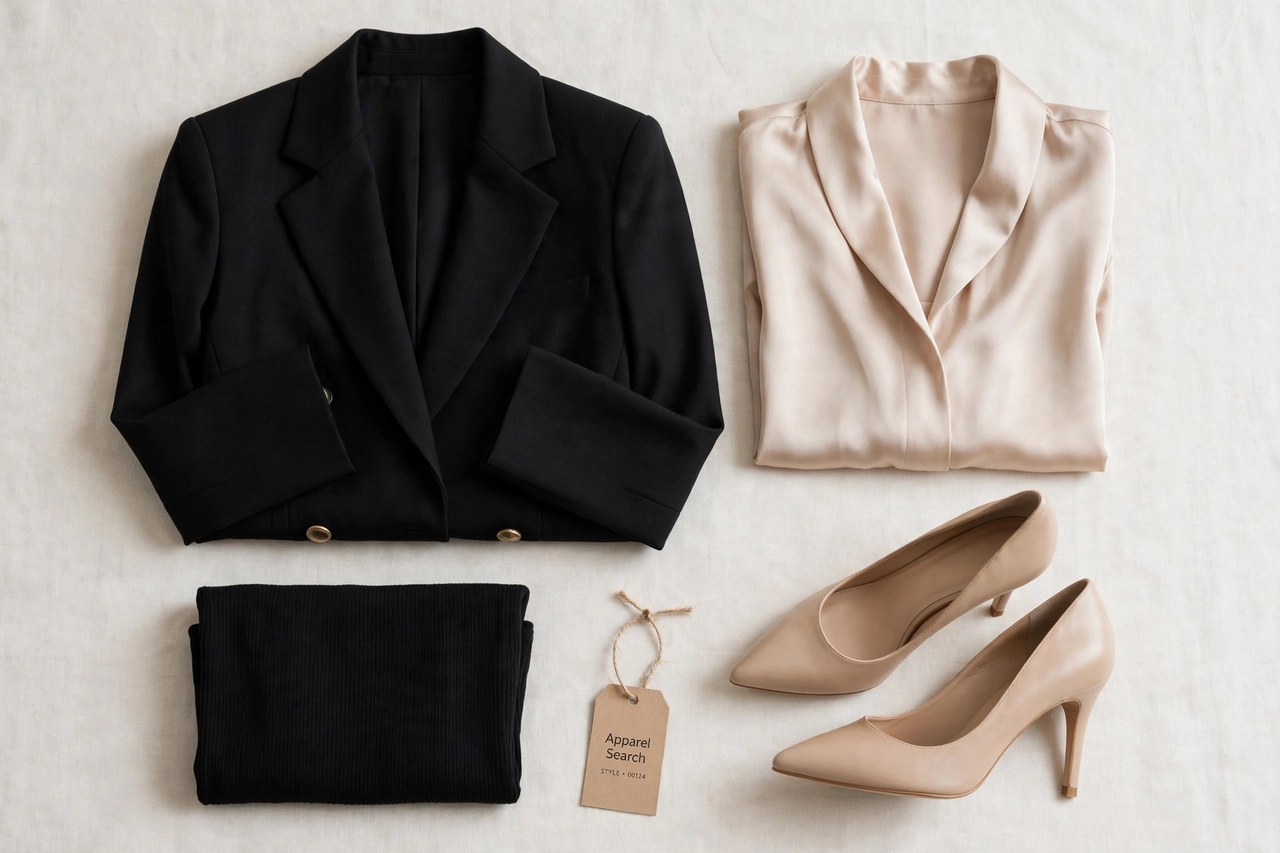
Elie Tahari is an Iranian Israeli fashion designer of ready-to-wear clothing and fashion accessories. His company is headquartered in New York City, with stores located throughout the world. Elie Tahari emigrated to the United States in 1971, and his career record begins in the trade itself: working as an electrician at a clothing boutique in the Garment District of New York City, he began designing his own clothing line after popularizing the iconic tube top in 1973. His namesake label, Tahari, launched in 1974 with a boutique located on Madison Avenue in New York City - a designer who wired a boutique, then filled one of his own, three years apart.
The disco decade is the label's founding chapter. Inspired by the era's disco culture, Elie Tahari created dance dresses and blouses, debuting his first fashion show in 1977 at the New York City nightclub Studio 54. In the 1980s, Tahari turned his attention to the tailored suit, with more office-centric designs as women joined the workforce and the ranks of the business elite. That pivot - from dance floor to boardroom, following his customer into the office - is the move the women's range still rests on, and his professional recognition came on schedule: he was admitted to the Council of Fashion Designers of America in 1994.
Theory, and the 2000s Expansion
In 1997, he teamed with Andrew Rosen to launch the ready-to-wear label Theory - a second label built alongside the first, and a fact researchers often need stated plainly, because the two names share a founder and a tailored, office-ready sensibility. The 2000s saw an expansion of his brand into men's ready-to-wear, accessories, jewelry, and footwear, completing the record: a 1971 arrival, a 1973 signature garment, a 1974 label launch, a 1977 nightclub debut, a 1980s tailoring turn, a 1994 CFDA admission, a 1997 second label and a 2000s category expansion.
Shopped as women's clothing, the record writes its own checks. Tailoring first, because the 1980s suit is the brand's documented centre of gravity, so a Tahari blazer or trouser should be judged on cut, structure and finish before colour. Occasion second, in the label's own two registers - the dance dresses and blouses of the founding years against the office-centric designs that followed - because a piece usually belongs clearly to one or the other. Label third: a Tahari piece and a Theory piece are cousins, not the same line, and that 1997 note is what keeps a researcher from merging them. The official Elie Tahari site is linked in this page's References & Further Reading.
Common Questions
Who is Elie Tahari and when did his label launch?
An Iranian Israeli designer headquartered in New York City; he emigrated to the United States in 1971, popularized the iconic tube top in 1973, and launched his namesake label Tahari in 1974 with a Madison Avenue boutique.
What is Tahari's connection to Studio 54 and to Theory?
Inspired by disco culture, he created dance dresses and blouses and debuted his first fashion show in 1977 at the Studio 54 nightclub; in 1997 he teamed with Andrew Rosen to launch the ready-to-wear label Theory.
When did Tahari turn to tailored suits?
In the 1980s, with more office-centric designs as women joined the workforce and the business elite; he was admitted to the Council of Fashion Designers of America in 1994.
More in Women's Fashion Brands T
The T letter hub:
Photos

More to Explore on Apparel Search
References & Further Reading
Looking for Women's Clothing Stores?
This profile helps you research the Tahari women's fashion brand. To browse where to buy, visit our women's clothing store directory, where you can find retailers that carry women's clothing.