Men's Bowling Shirts Guide
A men's bowling shirt is the short-sleeved, camp-collared league shirt: a boxy, breathable button-front with contrasting panels, piping or a name embroidered over the pocket, made famous by America's bowling leagues of the 1950s and kept alive by retro fashion ever since. It is a sport shirt designed for a sport played indoors over beer and competition - which is to say, designed for movement, ventilation and looking sharp while sitting down between frames.
Shop Men's Bowling Shirts Now
Shop Men's Bowling Shirts on Amazon Shop Men's Bowling Shirts on eBayThe Amazon and eBay links on this page are affiliate links. If you make a purchase through them, Apparel Search may earn a commission.
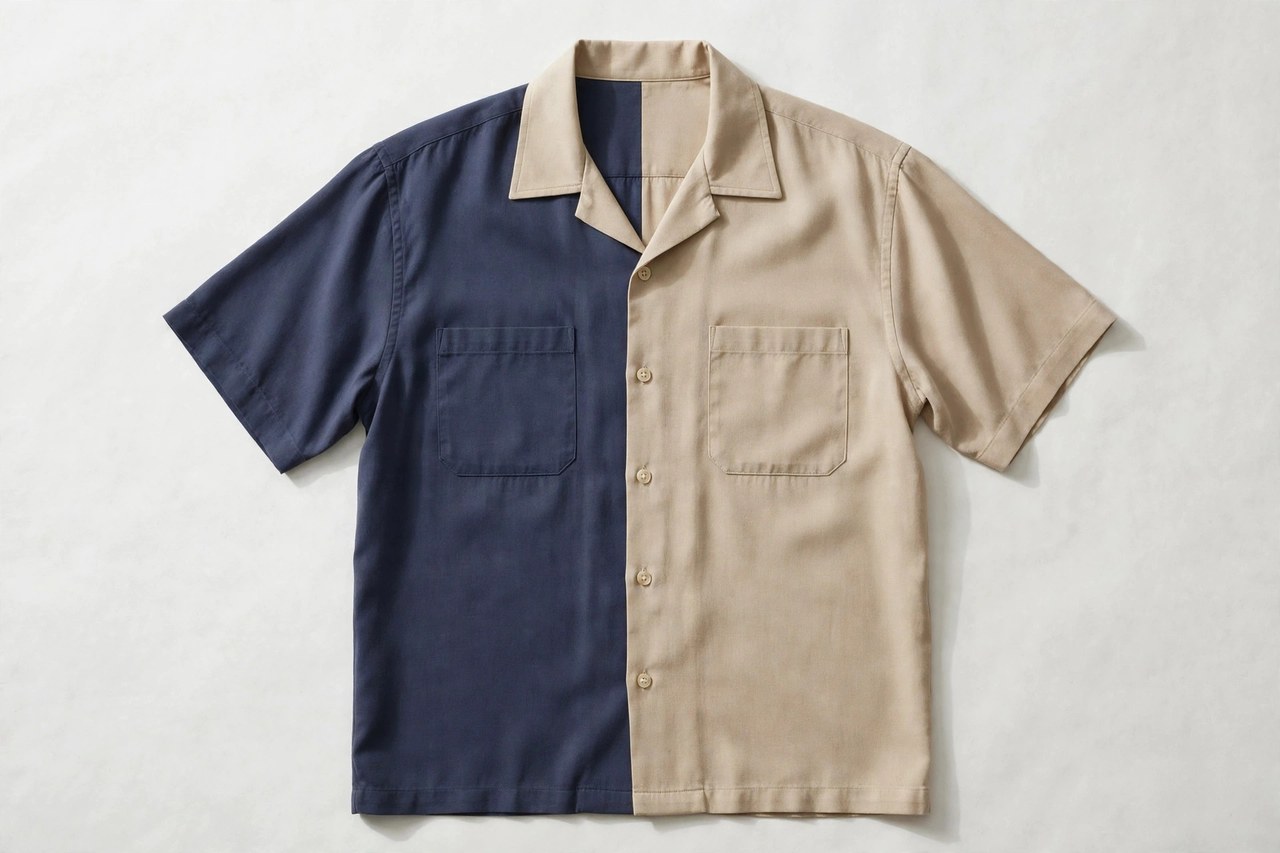
A men's bowling shirt is the short-sleeved, camp-collared league shirt: a boxy, breathable button-front with contrasting panels, piping or a name embroidered over the pocket, made famous by America's bowling leagues of the 1950s and kept alive by retro fashion ever since. It is a sport shirt designed for a sport played indoors over beer and competition - which is to say, designed for movement, ventilation and looking sharp while sitting down between frames. This guide covers the styles worth knowing, the fit points that decide comfort, the fabrics and construction that separate a good buy from a regret, and the simple care that makes the garment last.
Styles and Construction
The classic construction is a camp (Cuban) collar that lies open without a neckband, a straight hem worn untucked, and a loose body with a pleat or vent at the back for the bowling delivery's full reach. Vintage originals came in rayon with chain-stitched team names across the back; modern versions split into faithful retro reproductions, team-issue performance knits with moisture management for serious league play, and fashion camp shirts that borrow the panels and piping for the street.
Construction tells separate a shirt that lasts from one that twists after three washes: side seams should hang straight on a flat surface, collars and plackets should lie flat without curling, and stitching should run even - roughly eight to twelve stitches per inch on better garments - with no loose threads at stress points. Shoulder seams belong on the shoulder bone, and buttonholes should be dense and cleanly cut. Hold the fabric to the light: a tight, even weave wears longer and keeps its color better than a loose one at the same labeled weight.
Fit and Sizing
Fit is generous by design - the delivery needs a free shoulder and a body that never binds - but generous is not sloppy: shoulders should still land on shoulders, and the length should end mid-hip so the straight hem reads intentional. Fashion wearers often take one size down from the league cut for a cleaner line. Embroidered names and chain stitching are the details that decide whether a retro shirt reads authentic or costumed; simple two-tone panels are the safe classic.
Fit a top by the shoulders and the chest first, because those cannot be tailored cheaply: the shoulder seam should end at your shoulder bone, the chest should button or lie without pulling, and you should be able to raise both arms without the hem leaving your waistband. Length is the second check - a shirt meant to tuck should stay tucked when you sit, and one meant to wear loose should end mid-fly. Sleeve length is the easiest alteration, so never reject an otherwise right garment for sleeves alone, and never accept a wrong shoulder for any reason.
Wearing and Care
Rayon and rayon-blend shirts - the vintage standard - want gentle washing and hanging dry; they shrink and wrinkle with enthusiasm. Polyester performance versions wash without ceremony. Iron camp collars flat and store the shirt hung so the collar keeps its open roll. A genuine vintage shirt deserves the full gentle regime: it survived seventy years to reach you, and hot water is how that streak ends.
Launder by the label, but know the defaults: cool or warm water preserves color and elastic trims, turning printed or dark garments inside out protects their faces, and tumble-low or line drying is the single biggest lever on a shirt's lifespan. Button buttons and zip zips before washing to protect both the garment and its load-mates. Iron or steam on the fabric's own setting, store knits folded rather than hung so shoulders keep their line, and treat stains before the wash, not after the dryer has set them.
Common Questions
What defines a bowling shirt?
The camp collar worn open, a short sleeve, a boxy straight-hemmed body worn untucked, and the two-tone paneling or piping of league tradition - often with a name embroidered over the chest pocket and a team name across the back. The silhouette is 1950s American league wear, and it is the combination, not any single detail, that makes the shirt.
Are bowling shirts supposed to be loose?
Loose enough for the delivery - a full backswing and slide without the shirt pulling - which means a roomier body than fashion shirts, but with shoulders that still sit correctly. The classic mistake is league-roomy drifting into shapeless. Fashion versions deliberately cut trimmer; league versions keep the working room. Buy for the use you actually have.
How do you care for a vintage rayon bowling shirt?
Gently, and never hot: cool hand or gentle machine washing, no tumble drying, hung to dry, and a cool iron. Rayon shrinks, weakens when wet and takes creases that set - all manageable with patience. Chain-stitched backs should be washed inside out to protect the embroidery that gives the shirt its value.
More in Men's Clothes Guide B
Look Stylish, Be Comfortable
Bowling is a series of sports or leisure activities in which a player rolls or throws a bowling ball toward a target — in pin bowling, pins at the end of a lane, all knocked down on the first roll being a strike. When playing this sport, it is important to look stylish and be comfortable. For the other half of the outfit, see the men’s bowling shoes page linked below.
Looking for Men's Clothing Stores?
This guide explains men's bowling shirts. To browse where to buy, visit our men's clothing store directory, where you can find retailers that carry them.