Men's Camo Hunting Clothes Guide
Men's camo hunting clothes are hunting garments printed or woven with camouflage patterns chosen to break up the human outline against a specific environment - woodland, marsh, open country, snow. The camo is the working surface of the garment: everything else about the clothes - quiet fabrics, weather protection, layering room - exists to let a hunter sit still, unheard and unseen, in the weather the season brings.
Shop Men's Camo Hunting Clothes Now
Shop Men's Camo Hunting Clothes on Amazon Shop Men's Camo Hunting Clothes on eBayThe Amazon and eBay links on this page are affiliate links. If you make a purchase through them, Apparel Search may earn a commission.
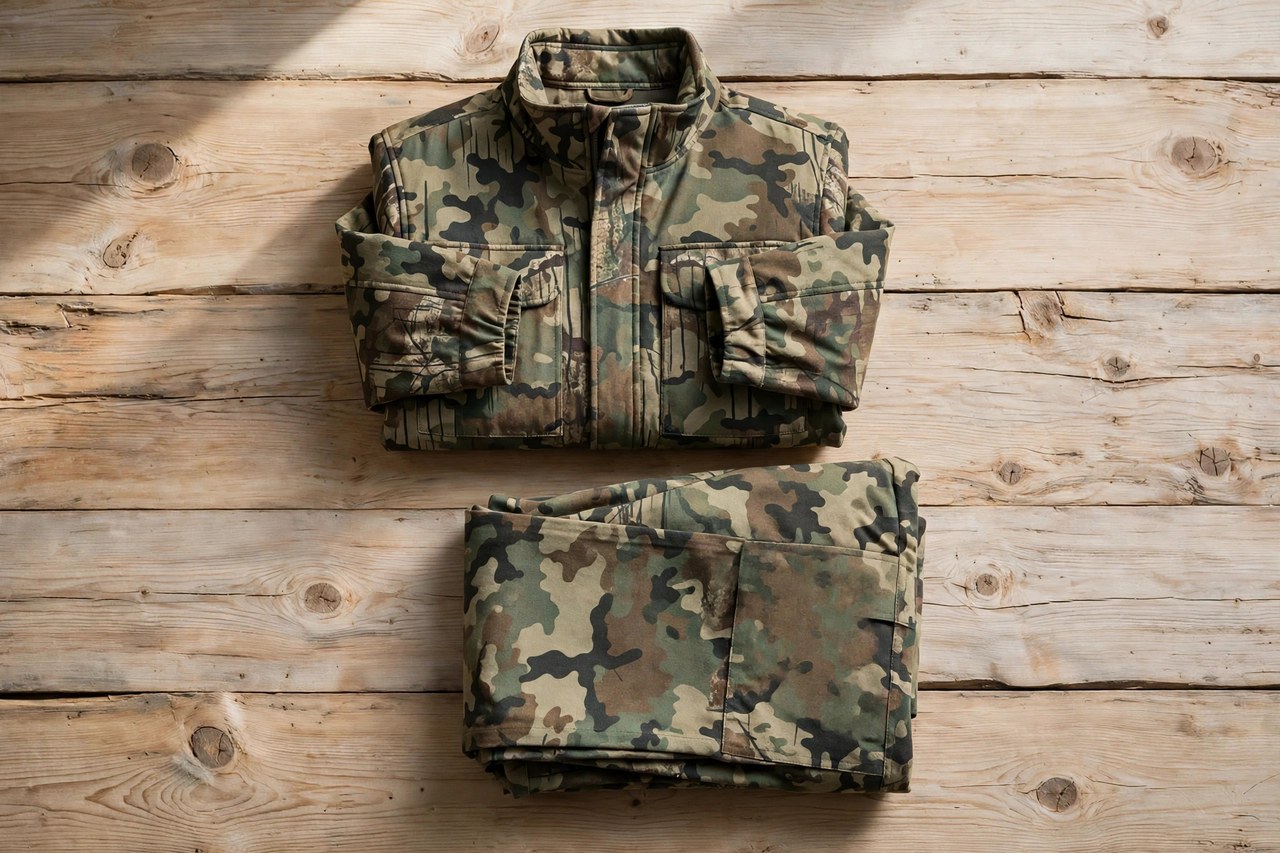
Men's camo hunting clothes are hunting garments printed or woven with camouflage patterns chosen to break up the human outline against a specific environment - woodland, marsh, open country, snow. The camo is the working surface of the garment: everything else about the clothes - quiet fabrics, weather protection, layering room - exists to let a hunter sit still, unheard and unseen, in the weather the season brings. This guide is built around the questions buyers actually ask: which style, which size, which fabric, and what will it look like after a year of real use - answered in order, with the trade-offs stated plainly.
Styles and Construction
Patterns divide by habitat. Woodland patterns layer leaves, bark and shadow for timber; marsh and grass patterns run vertical reeds and mud tones for waterfowl blinds; open-country patterns go lighter and larger-scaled for distance; snow patterns are mostly negative space. Modern digital and photographic patterns print bark and leaf detail at photographic resolution. Beneath the print, hunting clothes are a layering system: moisture-moving base, insulating mid, quiet weatherproof shell - with soft, brushed face fabrics, because a swishing nylon shell alerts game before movement does.
The durable buying order is job, specification, budget - in that sequence. Decide what the garment must do, translate that into fiber, weight, construction and size numbers, and only then shop price. Read labels as specifications, inspect the garment inside out where finishing is unposed, and prefer the maker who publishes measurements to the one who publishes adjectives. A garment that matches your measurements, climate and laundry will be worn; one that misses any of the three becomes expensive storage.
Fit and Sizing
Fit hunting clothes over the layers you will honestly wear at the season's coldest sit, and test the positions hunting actually uses: seated for an hour, shouldering a gun or drawing a bow, climbing into a stand. Articulated knees and gussets earn their keep here. Leave room at the neck and cuffs to seal drafts without binding, and remember that blaze-orange requirements in many jurisdictions ride over the camo - buy the vest or cap the law requires as part of the same system.
Measure yourself once a year and keep the numbers - chest, waist, inseam, foot, head - because bodies drift gradually while size habits never do. Shop from measurements, try garments under real conditions (over layers, in your own shoes, late in the day for footwear), and be honest about alterations: lengths and small waist changes tailor beautifully; shoulders, rises and patterns are the garment you bought forever.
Wearing and Care
Wash hunting clothes in scent-free detergent without UV brighteners - brighteners make fabric glow in the blue-ultraviolet range deer see well, however dull it looks to you - and store them in a sealed bin away from household odors. Reproof rain shells when water stops beading, repair small tears before the season rather than during it, and hang everything to dry fully before the bin closes.
Five minutes when a garment comes off - shake it out, hang or fold it correctly, note the stain and the loose button - prevents most of the damage later blamed on quality. Keep a small kit where the clothes live: brush, lint roller, conditioner suited to your leathers, black, navy and grey thread. Clothing rarely dies at once; it fades by small neglects, and small attentions reverse the process at the same pace.
Common Questions
Does the camo pattern really matter, or is any camo fine?
It matters at the level of habitat: a dark woodland pattern in a pale marsh reads as a dark blob, and a marsh pattern in timber reads light. Within the right habitat family, exact brand matters less than tonal match and scale. Break-up - how well the pattern disrupts your outline - beats photographic detail at most hunting distances.
Why do hunting clothes say 'no UV brighteners'?
Deer and many game animals see into the blue and ultraviolet range. Standard laundry detergents deposit optical brighteners that fluoresce in that range, making a washed garment visibly glow to game even though it looks normal to human eyes. Scent-free, brightener-free hunting detergents exist precisely to avoid it.
How much blaze orange do you need over camo?
It depends on the jurisdiction and season - many states require a specified area of solid blaze orange (often a vest, or vest plus cap) during firearms seasons, and the rules are law, not etiquette. Check your state's current regulations each season and build the required orange into the kit you buy.
More in Men's Clothes Guide C
The Hunting Family
Camo is one member of a working hunting system rather than a print on a shirt. Around it sit hunting clothes generally, camouflage hunting clothes, and hunting clothing stores — the garment guides here, and the concealment science on the camouflage page beside it.
More to Explore on Apparel Search
Looking for Men's Clothing Stores?
This guide explains men's camo hunting clothes. To browse where to buy, visit our men's clothing store directory, where you can find retailers that carry them.