Men's Holiday Clothing Sales Guide
Men's holiday clothing sales are the retail season built around the winter holidays - in the fashion industry, the most important time of the year, when retailers sell the most volume of apparel, footwear and accessories. In the United States the holiday season runs from Thanksgiving to New Year's Eve, beginning near the start of November and ending with New Year's Day, with the January sales closing the season at the other end. This guide is not about a garment but about a calendar: how the season's promotions actually unfold, when men's clothing is genuinely cheapest, and how to shop the loudest sale season of the year without buying the wrong things loudly.
Shop Men's Clothing Now
Shop Men's Clothing on Amazon Shop Men's Clothing on eBayThe Amazon and eBay links on this page are affiliate links. If you make a purchase through them, Apparel Search may earn a commission.
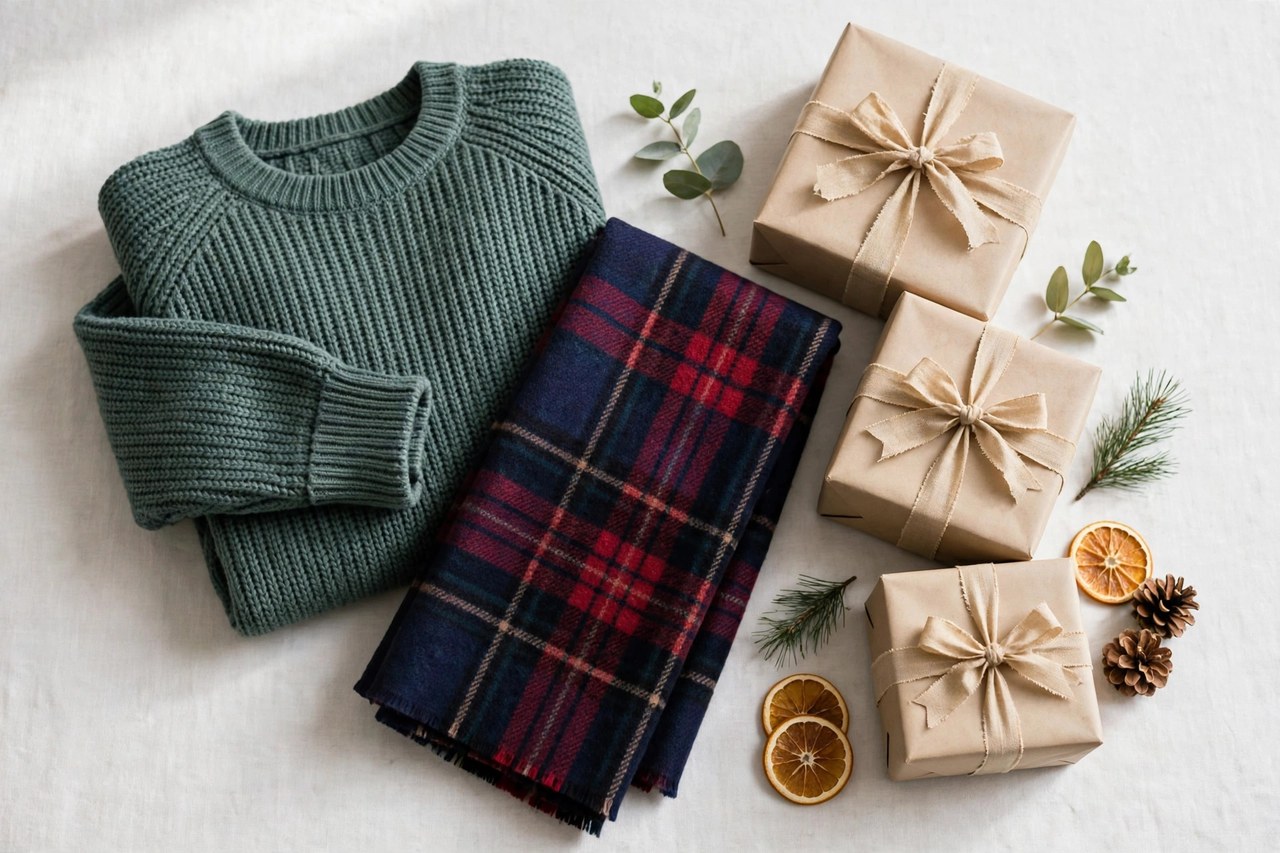
Men's holiday clothing sales are the retail season built around the winter holidays - in the fashion industry, the most important time of the year, when retailers sell the most volume of apparel, footwear and accessories. In the United States the holiday season runs from Thanksgiving to New Year's Eve, beginning near the start of November and ending with New Year's Day, with the January sales closing the season at the other end. This guide is not about a garment but about a calendar: how the season's promotions actually unfold, when men's clothing is genuinely cheapest, and how to shop the loudest sale season of the year without buying the wrong things loudly. This guide walks through the choices that matter - style, fit, fabric and finish - with the practical detail a product listing rarely gives you, and closes with the care habits that keep the garment in service.
The Season's Calendar
Read the season in its phases. November opens with early promotions and Black Friday's headline discounts, strongest on giftable categories - sweaters, outerwear, accessories and gift sets. December is gift-buying at full urgency, when discounts narrow on the most wanted items and the real product being sold is delivery by the holiday. The days after Christmas flip the market: returns flood in, sizes break, and clearance begins in earnest, deepening through January as retailers clear winter to make room for spring. The deepest discounts of the season are therefore almost never on the gift you need before the holiday - they are on the winter clothing you buy for yourself after it, in the sizes that remain. Window displays and tree-lighting ceremonies mark the theater of it; the markdown calendar is the substance.
The durable buying order is job, specification, budget - in that sequence. Decide what the garment must do, translate that into fiber, weight, construction and size numbers, and only then shop price. Read labels as specifications, inspect the garment inside out where finishing is unposed, and prefer the maker who publishes measurements to the one who publishes adjectives. A garment that matches your measurements, climate and laundry will be worn; one that misses any of the three becomes expensive storage.
Shopping the Sales
Shop the season like a professional buyer. Make the list before the sales make it for you - the men you are gifting, with sizes confirmed from their existing clothes, and the winter gaps in your own wardrobe. Our original guide's cheerful advice deserves keeping: shop for clothing, and help the apparel industry by purchasing clothes, but buy them on your list, not the retailer's. Check the discount against the regular price's history where you can, read the return terms before a gift purchase (holiday extensions are common but not universal), and keep receipts with the gifts. For yourself, the January rule rules: buy the coat, boots and knitwear you already know you need, in classic styles, at clearance - next winter is certain, and so is its weather.
Measure yourself once a year and keep the numbers - chest, waist, inseam, foot, head - because bodies drift gradually while size habits never do. Shop from measurements, try garments under real conditions (over layers, in your own shoes, late in the day for footwear), and be honest about alterations: lengths and small waist changes tailor beautifully; shoulders, rises and patterns are the garment you bought forever.
After the Holidays
Care for holiday purchases begins with restraint in the wash of December excitement: check every gift garment on arrival for size, defects and the return window, and keep tags until the fit is confirmed. Store new knitwear folded with its tissue, condition the leather goods bought on sale before first wear, and put the January-clearance winter pieces away properly cleaned even if they will barely be worn this season - a coat stored clean in January is next December's bargain already owned. The season sells more clothing than any other; the wardrobe that wins it is the one that planned for it, and the guide's links to the stores, wholesalers and the holiday shop below are the year's starting points.
Five minutes when a garment comes off - shake it out, hang or fold it correctly, note the stain and the loose button - prevents most of the damage later blamed on quality. Keep a small kit where the clothes live: brush, lint roller, conditioner suited to your leathers, black, navy and grey thread. Clothing rarely dies at once; it fades by small neglects, and small attentions reverse the process at the same pace.
Common Questions
When is the best time to buy men's clothing in the holiday season?
It depends what you are buying. For gifts that must arrive before the holiday, November's promotions - Black Friday above all - offer the best combination of discount and selection. For clothing for yourself, the deepest discounts come after Christmas and through the January sales, when retailers clear winter stock: prices fall further as sizes break, so the best value sits in the tension between discount depth and your size still being available. The season runs Thanksgiving to New Year's Eve, with January clearance as its epilogue.
Why is the winter holiday season so important to clothing retailers?
Because it is when the industry sells the most volume of apparel, footwear and accessories in the year. Winter in the Northern Hemisphere concentrates gift-giving holidays - Christmas above all, within a season many religions and cultures celebrate - into a few weeks, and cold weather makes clothing both a needed and a giftable purchase. Retailers plan inventory, staffing and promotions around this peak all year, which is why its discounts are real but also why its urgency is manufactured.
How do you avoid bad purchases during holiday sales?
Shop from a list made before the sales, with sizes confirmed from clothes the recipient already owns. Compare the sale price against the item's normal selling price, not its inflated reference price; read return terms before buying gifts; and apply the January test - would I want this at full price, in this size, for a known need? A discount on the wrong garment is not a saving. Keep receipts, keep tags until fits are confirmed, and let the season's calendar work for you rather than its countdown clocks.
More in Men's Clothes Guide H
From Our Original Guide: The Most Important Season
Our original holiday sales page made the industry’s case, and this guide keeps its account: in regard to the fashion industry, the most important time of the year is the winter holiday season — the time of year that retailers sell the most volume of apparel, footwear and accessories. The word holiday itself differs by region: in the United States it refers to the nationally, religiously or culturally observed days of rest or celebration, while in the U.K. and other Commonwealth nations it may mean the agreed period of leave from one’s duties, a synonym for the U.S. vacation. The season’s frame is set: the period generally runs from late November to early January, incorporating at least Christmas and usually New Year, with Thanksgiving opening the U.S. commercial season and New Year’s Eve closing it; some Christian countries end the festive season after the feast of Epiphany. It incorporates a peak shopping season for retail and a period of sales at the end of the season — the January sales — with Christmas window displays and tree-lighting ceremonies among its traditions. And it closed with the advice this rebuild endorses: enjoy the holiday season, shop for clothing, and always try to help the apparel industry by purchasing clothes.
Looking for Men's Clothing Stores?
This guide explains men's holiday clothing sales. To browse where to buy, visit our men's clothing store directory, where you can find retailers that carry them.