Men's Hooded Sweatshirts Guide
A men's hooded sweatshirt - a hoodie, or hoody - is a sweatshirt with a hood: a knitted fleece top with a lined or unlined hood at the neck, often a muff pocket sewn onto the lower front, and usually a drawstring to adjust the hood's opening. It began as workwear for cold-storage laborers, became athletic equipment, and is now the most universally owned casual top in menswear. The hood is, as one of this guide's links puts it, a type of headwear - which makes the hoodie two garments in one: a warm mid-layer and a weather hood, joined at the collar. This guide covers the fleece, the fits and the details that separate a good hoodie from a shapeless one.
Shop Men's Hooded Sweatshirts Now
Shop Men's Hooded Sweatshirts on Amazon Shop Men's Hooded Sweatshirts on eBayThe Amazon and eBay links on this page are affiliate links. If you make a purchase through them, Apparel Search may earn a commission.
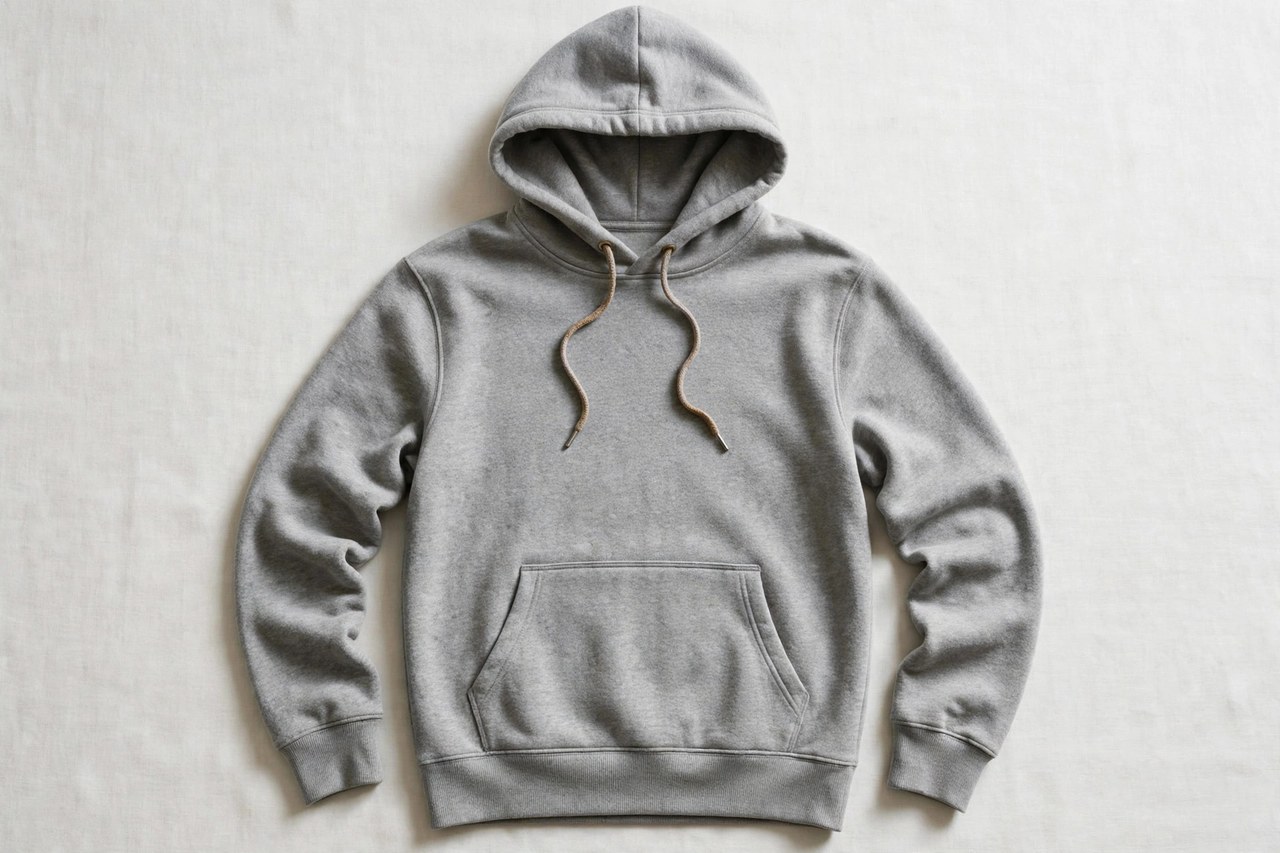
A men's hooded sweatshirt - a hoodie, or hoody - is a sweatshirt with a hood: a knitted fleece top with a lined or unlined hood at the neck, often a muff pocket sewn onto the lower front, and usually a drawstring to adjust the hood's opening. It began as workwear for cold-storage laborers, became athletic equipment, and is now the most universally owned casual top in menswear. The hood is, as one of this guide's links puts it, a type of headwear - which makes the hoodie two garments in one: a warm mid-layer and a weather hood, joined at the collar. This guide covers the fleece, the fits and the details that separate a good hoodie from a shapeless one. This guide is built around the questions buyers actually ask: which style, which size, which fabric, and what will it look like after a year of real use - answered in order, with the trade-offs stated plainly.
Styles and Construction
Construction starts with the fleece. Cotton fleece is soft, breathable and heavy when wet; polyester fleece is light, warm and quick-drying but can hold odor; blends split the difference and are where most good hoodies live. Weight is the specification sellers hide in adjectives: light fleeces layer under jackets, heavyweight fleeces (the 400gsm-and-up traditionalists) stand as outerwear and hold their shape for years. Two patterns divide the family: the pullover, with its muff pocket and cleaner front, and the zip-front, which layers and vents better and loses the pocket to the zip. Hood construction is the quality tell - a double-lined, cross-cut hood sits up and stays shaped, a single-layer hood collapses; drawstrings should be flat or tipped so they survive the wash, cuffs and hem ribbed with enough recovery to matter.
Judge knitwear by gauge, ply and finishing rather than by softness in the shop, because every knit feels kind on day one. Gauge counts stitches per inch - finer gauges drape and layer, coarser gauges insulate and read casual. Ply counts the strands twisted into the yarn: more plies mean more warmth, roundness and price. Fully-fashioned shaping, knitted in rather than cut and sewn, marks better garments, and linked seams at the shoulders and neck lie flatter and last longer than overlocked ones.
Fit and Sizing
Fit a hoodie by its intended job. As a mid-layer it should skim the body with room for a tee beneath and none of the bulk that bunches under a jacket; as outerwear, a relaxed or boxy fit with a heavier fleece worn over a shirt. The hood itself is fitted by trying it up: it should cover without swallowing, turn with the head, and rest at the neck without pulling the front up when down. Sleeves end at the wrist with the cuff rib doing the holding; body length ends at mid-fly for pullovers worn untucked, which is nearly all of them. Size habits from tees do not transfer automatically - a hoodie's fleece and ribbing relax with wear, so a firm-but-comfortable shop fit is the seasoned buy.
Fit knitwear by the body, not the shoulders alone: a sweater should skim rather than cling, with ease for a shirt beneath at the chest, sleeves ending at the wrist bone, and body length covering the waistband without pooling. Knits relax with wear - a slightly firm new fit is often the right long-term fit - but ribbed cuffs and hems should recover when stretched, and a neckline should sit flat against the base of the neck, neither gaping nor strangling.
Wearing and Care
Hoodie care is fleece care: wash cool or warm inside out (which protects any print and keeps the outer face from pilling against the load), tie or remove drawstrings so they cannot vanish into their channels, and dry low or on the line - heat is what shrinks cotton fleece and tires ribbing. Brush or de-pill the face when it fuzzes, fold rather than hang (a heavy wet-weight knit grows on hangers), and store hoods un-crushed so the lined ones keep their stand. A good heavyweight hoodie is a decade garment, and it fails in a predictable order - cuffs, then hem, then elbows - each of which a two-minute mend postpones for a year.
Knitwear care is gentle by default: wash cool by hand or on a wool cycle with knitwear detergent, never wring, roll in a towel to lift water, and dry flat on a mesh or towel, reshaped to its measurements. Fold for storage - hangers stretch shoulders into points - with cedar or lavender against moths, and rest a sweater a day between wears so its fibers recover their loft. Depill with a comb or electric shaver; pilling is loose fiber migrating, not the garment failing.
Common Questions
What is the difference between a hoodie and a sweatshirt?
The hood. A hooded sweatshirt is a sweatshirt - a knitted fleece top, traditionally cotton or a cotton blend - built with a hood at the neck, usually adjusted by a drawstring, and often with a muff pocket sewn onto the lower front. Everything else is shared: the fleece, the ribbed cuffs and hem, the casual register. The hood changes the garment's use, adding weather protection and head coverage - it is, in the terminology section's own classification, a type of headwear as well as a top.
Pullover or zip-front hoodie - which is better?
They divide by layering. The pullover is warmer (no zip to leak air), keeps the muff pocket, and presents a cleaner front for prints and logos - the classic hoodie silhouette. The zip-front vents, goes on and off without disturbing what is under it, and layers more politely under and over other garments. Most men settle by wardrobe: pullovers for warmth and streetwear looks, zip-fronts for gym, travel and variable weather - and serious hoodie owners tend to end up with both.
Why do some hoodies cost so much more than others?
Fleece weight and hood construction, mainly. A heavyweight fleece costs more to make and lasts visibly longer; a double-lined cross-cut hood, flat drawstrings with proper tips, reinforced pocket stitching and ribbing with real recovery all add cost at exactly the points where cheap hoodies fail. The test in the shop is the hood: put it up. A hood that stands and frames the face belongs to a hoodie built to a standard; one that collapses into a neck ruffle tells you where the money was saved.
More in Men's Clothes Guide H
The Hoodie, Defined
A hoodie (also called a hooded sweatshirt or hoody) is a sweatshirt with a hood. Hoodies often include a muff sewn onto the lower front, and (usually) a drawstring to adjust the hood opening. One question is worth asking: do you know if a hood is a type of headwear? The headwear guide above is where that answer lives.
Looking for Men's Clothing Stores?
This guide explains men's hooded sweatshirts. To browse where to buy, visit our men's clothing store directory, where you can find retailers that carry them.