Men's Pique Tennis Shirts Guide
Pique tennis shirts are shirts knitted in pique - the cotton fabric with a raised waffle or honeycomb texture - made for the tennis court and long since adopted everywhere else. The fabric is the subject of this guide: pique's woven air pockets made it the athlete's knit before synthetics existed, because the texture holds the cloth off the skin and breathes through a match. Its famous descendant, the polo shirt, gets its own guide in this letter; read this page for the knit itself - how real pique is made, how to tell it from imitations, and why the texture decides comfort, drape and lifespan.
Shop Men's Pique Tennis Shirts Now
Shop Men's Pique Tennis Shirts on Amazon Shop Men's Pique Tennis Shirts on eBayThe Amazon and eBay links on this page are affiliate links. If you make a purchase through them, Apparel Search may earn a commission.
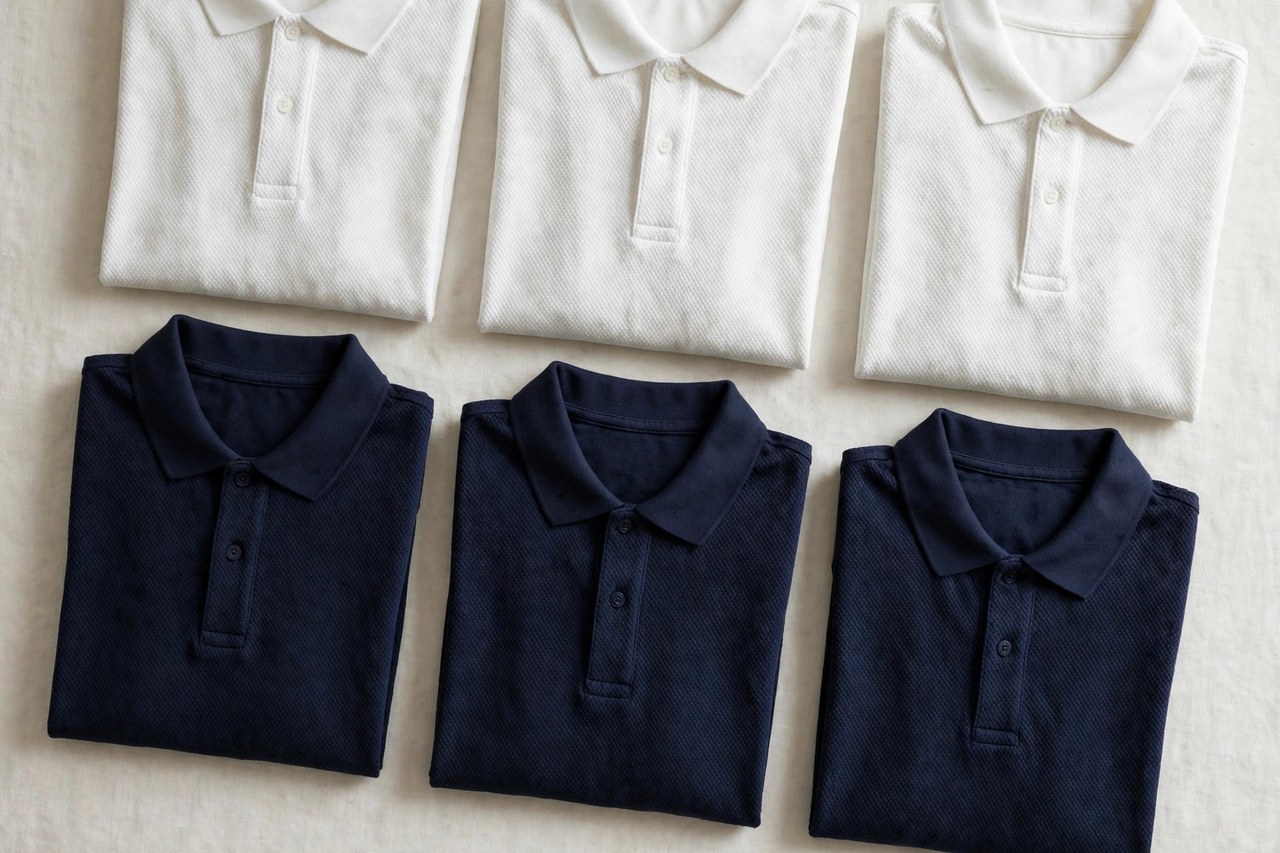
Pique tennis shirts are shirts knitted in pique - the cotton fabric with a raised waffle or honeycomb texture - made for the tennis court and long since adopted everywhere else. The fabric is the subject of this guide: pique's woven air pockets made it the athlete's knit before synthetics existed, because the texture holds the cloth off the skin and breathes through a match. Its famous descendant, the polo shirt, gets its own guide in this letter; read this page for the knit itself - how real pique is made, how to tell it from imitations, and why the texture decides comfort, drape and lifespan. This guide walks through the choices that matter - style, fit, fabric and finish - with the practical detail a product listing rarely gives you, and closes with the care habits that keep the garment in service.
The Waffle That Breathes
Real pique is a double cloth: a structure of raised cords and recessed pockets knitted or woven so the surface is a field of tiny waffle cells. Those cells do three jobs at once - they ventilate, because air moves through the pockets instead of being trapped against the skin; they absorb, presenting more fiber surface to sweat; and they hide perspiration and creasing better than a flat jersey, which is why the tennis shirt in pique outlasted every flat-knit rival on court. Grades show in the hand: a firm, springy pique with deep, regular cells is cotton knitted on a proper pique frame; a flat, printed-on texture is an imitation that behaves like ordinary jersey. Weight matters by season - lighter pique for summer sport, heavier for a shirt that must hold a collar's shape year-round. Collars on good examples are knitted in the same yarn or cut from the same cloth and stay flat; ribbed collars are the casual variant and curl sooner.
Judge knitwear by gauge, ply and finishing rather than by softness in the shop, because every knit feels kind on day one. Gauge counts stitches per inch - finer gauges drape and layer, coarser gauges insulate and read casual. Ply counts the strands twisted into the yarn: more plies mean more warmth, roundness and price. Fully-fashioned shaping, knitted in rather than cut and sewn, marks better garments, and linked seams at the shoulders and neck lie flatter and last longer than overlocked ones.
Fit for the Swing
Fit a pique tennis shirt by its sporting origin. It was designed to swing in: the body should allow a full serve and a two-handed backhand without the hem leaving the waistband or the chest binding, and the sleeves should end mid-bicep and stay there through a match. Classic tennis fit is trimmer than a golf polo's drape because the game is faster; fashion versions relax it, which is fine off court. The textured cloth is forgiving - it neither clings nor shows every contour - so judge fit by movement rather than the mirror: raise, twist and bend, and check that the collar still sits flat and the placket does not gape. Cotton pique shrinks a little in length over its first washes and relaxes across the chest, so a shirt that is merely snug in the shop usually becomes wrong by August; buy the fit after the wash, as with all honest cotton knits.
Fit knitwear by the body, not the shoulders alone: a sweater should skim rather than cling, with ease for a shirt beneath at the chest, sleeves ending at the wrist bone, and body length covering the waistband without pooling. Knits relax with wear - a slightly firm new fit is often the right long-term fit - but ribbed cuffs and hems should recover when stretched, and a neckline should sit flat against the base of the neck, neither gaping nor strangling.
Protect the Texture
Pique's texture survives washing better than its shape does, so the care is about the shape. Wash cool or warm, inside out, with the placket buttoned to protect it, and dry low briefly or on the line - over-drying is what curls collars and shrinks length. Reshape the collar flat while damp; pique's cells make it an easy fabric to coax back. Iron on the reverse if at all, since a hot iron flattens the waffle that makes the fabric work - a steamer refreshes without crushing. Fold rather than hang, because a textured cotton knit is heavy and hangers point its shoulders. Kept this way, good pique famously outlives its owner fashion cycles: the cloth softens over years while the texture - and the breathability it creates - remains.
Knitwear care is gentle by default: wash cool by hand or on a wool cycle with knitwear detergent, never wring, roll in a towel to lift water, and dry flat on a mesh or towel, reshaped to its measurements. Fold for storage - hangers stretch shoulders into points - with cedar or lavender against moths, and rest a sweater a day between wears so its fibers recover their loft. Depill with a comb or electric shaver; pilling is loose fiber migrating, not the garment failing.
Common Questions
What is pique fabric, and why is it used for tennis shirts?
Pique is a cotton cloth knitted or woven with a raised waffle or honeycomb texture - a field of cords and recessed pockets. The texture ventilates, holds the fabric slightly off the skin, absorbs sweat across a larger fiber surface and hides perspiration and creases better than flat jersey. Invented for sport before synthetic knits existed, it let a tennis player stay cooler and look composed through a match, and modern synthetic piques copy the same geometry for the same reasons.
What is the difference between a pique tennis shirt and a polo shirt?
Fabric versus style. Pique names the textured knit; polo names the shirt style - soft collar, short placket, banded sleeves - that is usually, but not always, made from it. A polo in flat jersey is still a polo; a pique shirt with a different collar is still pique. Our polo shirts guide in this letter covers the style and its wardrobe uses; this guide covers the cloth, which is why the two pages read differently despite the family resemblance.
How can you tell real pique from an imitation?
By touch and by depth. Real pique has a three-dimensional surface - raised cords and genuine recessed pockets you can feel with a fingertip - and a firm, springy hand. Imitations print or emboss a pattern onto flat jersey: the texture is shallow, the cloth feels like any tee, and the 'waffle' disappears after a few washes. Turn the shirt inside out - true pique shows its structure on the reverse as well, because the texture is built into the cloth, not applied to it.
More in Men's Clothes Guide P
Not Only for Playing Tennis
First of all, this style of shirt is not only for playing tennis. Tennis itself it defined as a racket sport that can be played individually against a single opponent (singles) or between two teams of two players each (doubles), each player using a racket strung to strike the ball — and the shirt built for that game has long since left the court for everyday wear. See also the tennis shirts, polo shirts, golf shirts, shirts, tennis shoes and tennis shorts guides.
Looking for Men's Clothing Stores?
This guide explains men's pique tennis shirts. To browse where to buy, visit our men's clothing store directory, where you can find retailers that carry them.