Men's Soccer Cleats Guide
Men's soccer cleats are the studded boots made for soccer: low-cut shoes whose soles carry molded or screw-in cleats that bite the pitch for traction in cutting, sprinting and striking. This guide is about the cleats themselves - stud configurations, plate types and surfaces - the ground interface that decides whether a player's footwork is planted or skating. The wider shoe around them is covered by our soccer shoes guide; here the focus is downward, at the studs and the surfaces they marry.
Shop Men's Soccer Cleats Now
Shop Men's Soccer Cleats on Amazon Shop Men's Soccer Cleats on eBayThe Amazon and eBay links on this page are affiliate links. If you make a purchase through them, Apparel Search may earn a commission.
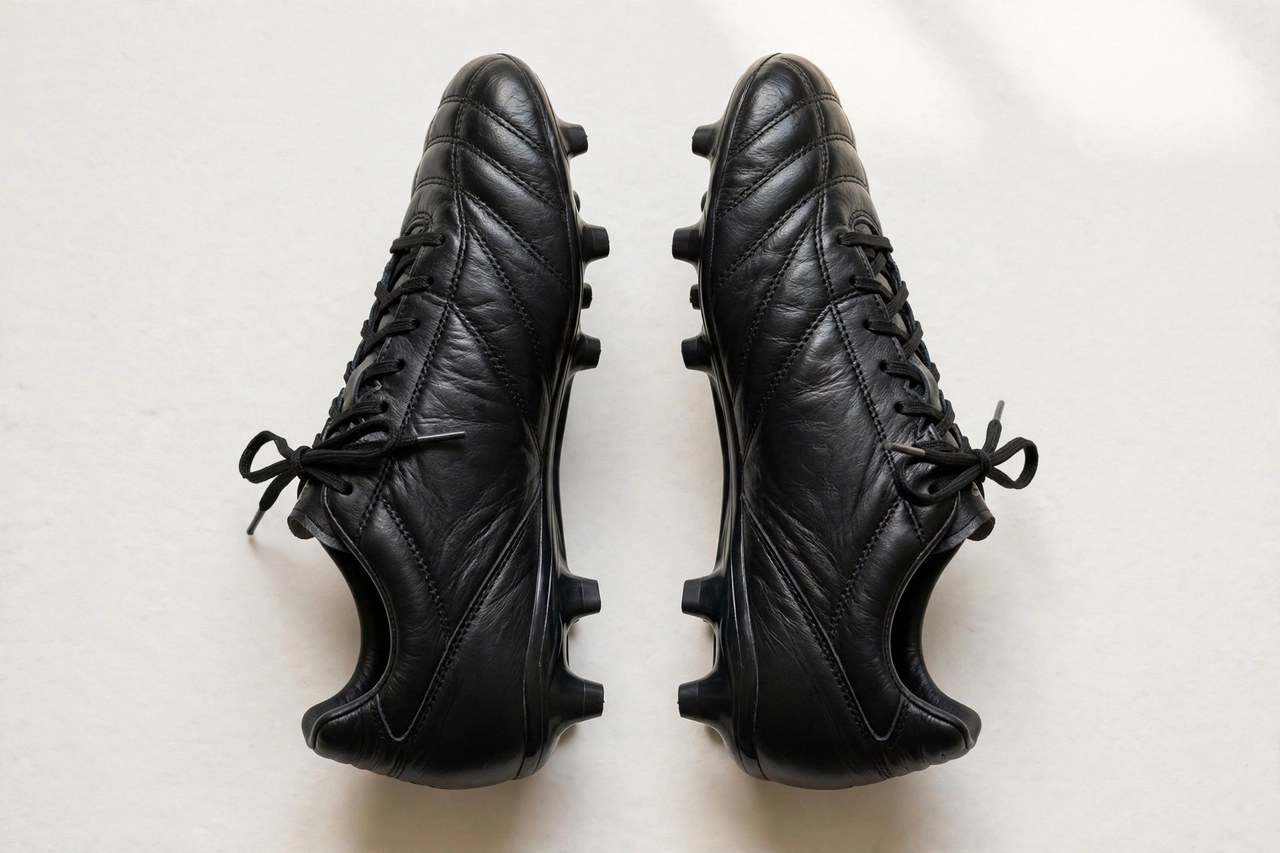
Men's soccer cleats are the studded boots made for soccer: low-cut shoes whose soles carry molded or screw-in cleats that bite the pitch for traction in cutting, sprinting and striking. This guide is about the cleats themselves - stud configurations, plate types and surfaces - the ground interface that decides whether a player's footwork is planted or skating. The wider shoe around them is covered by our soccer shoes guide; here the focus is downward, at the studs and the surfaces they marry. This guide covers the styles worth knowing, the fit points that decide comfort, the fabrics and construction that separate a good buy from a regret, and the simple care that makes the garment last.
Stud Patterns and Surface Plates
Cleat patterns are engineering by surface. Firm-ground (FG) plates carry conical or bladed studs in molded TPU for natural grass in normal conditions. Soft-ground (SG) plates mix molded studs with removable metal ones for wet, muddy pitches, and wearing them on hard ground is an injury argument. Artificial-ground (AG) plates use more, shorter, often hollow studs to spread load on synthetic turf - and FG studs on turf concentrate pressure dangerously, which is why the plates are not interchangeable folklore. Turf shoes replace studs with dense rubber nubs for hard artificial surfaces and futsal-adjacent play. Stud shape matters at the margins: conical studs release more freely in twists (kinder to knees), blades grip harder in straight lines.
Judge footwear by attachment and compound: cemented soles are light and affordable, stitched or welted constructions cost more and can be repaired, and the outsole rubber decides grip against longevity - soft compounds bite, hard compounds endure. Linings decide comfort over hours, removable insoles decide whether your own supports can come along, and honest weight decides whether the pair disappears on the foot or taxes every mile of the day.
Fit and Sizing
Cleats fit closer than any other footwear a man owns - the boot is a striking instrument, and strikers want the upper against the foot like a glove: toes near the end without curling, no heel lift, the midfoot locked. Leather uppers stretch to the foot over the first sessions; synthetics fit as they will ever fit from the first wear. Buy by measured length in your match socks, late in the day, and accept the category's ritual: the first two sessions in new leather cleats are a negotiation, not a verdict.
Fit footwear late in the day in the socks you will actually wear, with roughly a thumb's width beyond the longest toe, the heel held without lift, and the foot's widest point meeting the shoe's widest point. Sizes are unstandardized between makers - trust your measured length and width over the printed number, and require no break-in argument: a shoe that needs excuses in the shop delivers them on the road.
Wearing and Care
Cleats live in mud, so care is mostly sanitation and drying: knock and brush the plates clean after play, wash mud off before it dries into the seams, and dry at room temperature stuffed with paper - never on a radiator, which cracks leather and warps plates. Rotate two pairs if you play weekly on grass. Inspect studs before matches: a worn front stud is a slip, a loose screw-in is a lost argument with the pitch, and both are cheap to fix on the bench rather than at speed.
Rotation is the first care rule: a day of rest between wears lets linings dry and cushioning rebound, and it doubles a rotation's life compared with daily wear of one pair. Clean after use, dry at room temperature away from radiators, hold shape with trees or paper, and condition leather on a schedule rather than when it looks thirsty. Reproof weather finishes when water stops beading, and resole stitched footwear before the wear reaches the welt.
Common Questions
What is the difference between FG, SG and AG cleats?
The surface they are built for. FG (firm ground) studs suit natural grass in dry-to-normal conditions. SG (soft ground) adds longer, often metal screw-in studs for wet and muddy pitches. AG (artificial ground) uses more numerous, shorter studs to spread pressure on synthetic turf. Using the wrong plate is not a style error: FG on turf overloads joints, SG on hard ground offers no grip and real injury risk.
Conical or bladed studs?
Conical studs pivot and release more freely, which many players find kinder in cutting sports and on knees; bladed studs channel grip into straight-line acceleration and harder planting. Modern plates mix both - blades at the heel, conicals at the forefoot, for instance. The honest answer is surface first, pattern second: the right plate family in either stud shape beats the perfect stud on the wrong plate.
How tight should soccer cleats be?
Glove-tight, by the standards of footwear: the upper in contact everywhere, toes just short of the end, no heel lift, no lateral slide. Leather boots give about a quarter size as they mold; synthetics hold their first fit. A cleat that fits like a comfortable trainer will fit like a loose one at full sprint - this is the one shoe to buy on the snug side of your comfort.
More in Men's Clothes Guide S
The World’s Game, the Foot’s Tool
Association football - football, futbol or soccer - is played between two teams of eleven with a spherical ball, by 250 million players in over 200 countries and dependencies, making it the world’s most popular sport; the goalkeepers are the only players allowed to touch the ball with their hands, and only in their penalty area, while everyone else mainly uses their feet to strike or pass. Because feet are extremely important to the game, the type of shoe players wear is equally important: football boots, called cleats or soccer shoes in North America, designed for grass pitches with studs on the outsole.
Looking for Men's Clothing Stores?
This guide explains men's soccer cleats. To browse where to buy, visit our men's clothing store directory, where you can find retailers that carry them.