Women's Babydoll Dress Guide
A short, swishy silhouette with a high empire waist — sweet in origin, surprisingly versatile in a modern wardrobe.
Shop Women's Babydoll Dresses Now
Shop Women's Babydoll Dresses on Amazon Shop Women's Babydoll Dresses on eBayThe Amazon and eBay links on this page are affiliate links. If you make a purchase through them, Apparel Search may earn a commission.
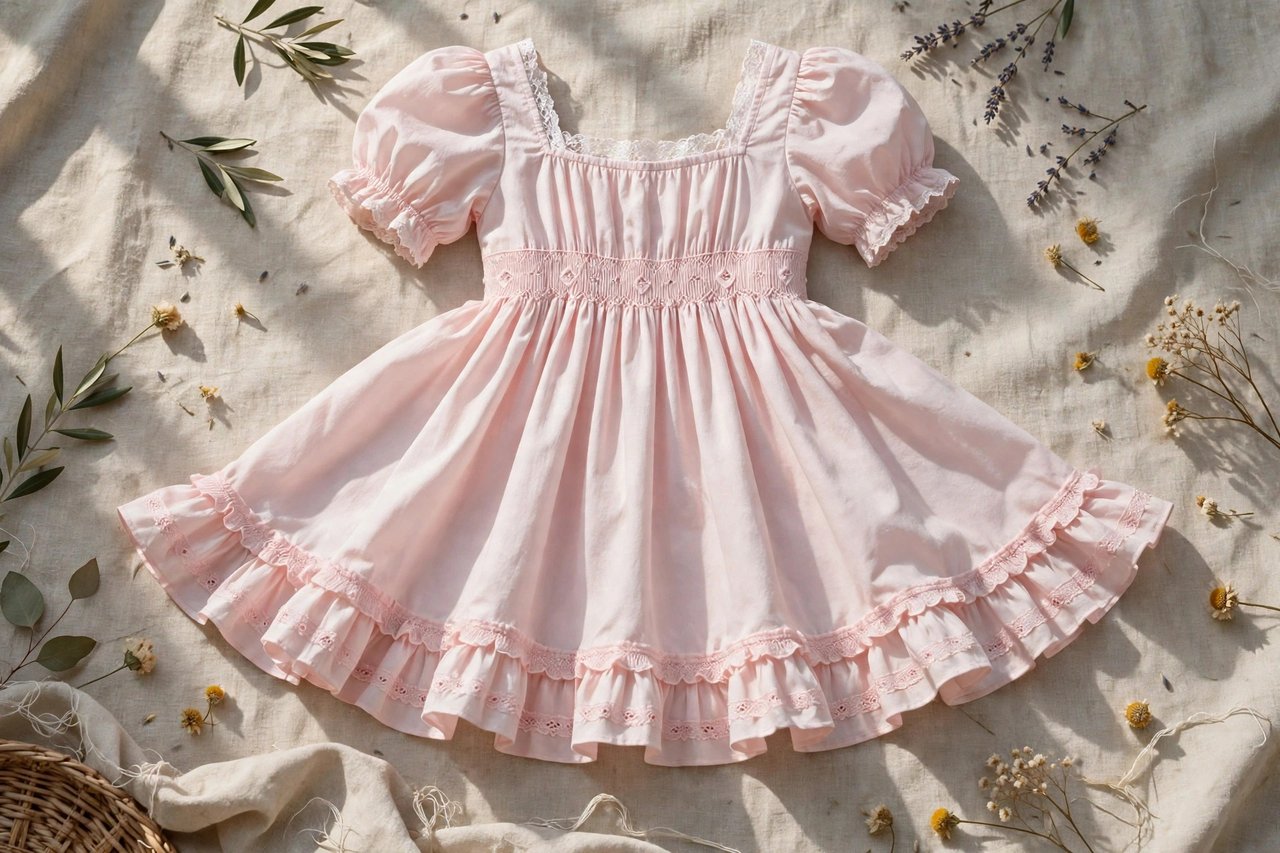
A babydoll dress is defined by its high empire waist, which sits just below the bust, and a short skirt that falls loose and flared from that raised seam. The bodice is usually fitted or gently gathered, while everything below the waist floats away from the body, giving the dress its light, youthful movement. Sleeves range from tiny cap sleeves and puff sleeves to sleeveless straps and long sheer sleeves for cooler weather. Most babydoll dresses end well above the knee, although longer midi versions have become popular with shoppers who love the shape but want more coverage. Because the silhouette asks so little of the wearer — no tight waistband, no restrictive skirt — it suits warm days, relaxed weekends, and any occasion where comfort and charm matter in equal measure.
From Nightgown to Dress: A Brief History
The babydoll began as sleepwear. In the 1940s, designer Sylvia Pedlar shortened the traditional nightgown to save fabric during wartime rationing, creating a brief, gathered style that was soon nicknamed the babydoll. Through the 1950s the look stayed firmly in the bedroom, usually made in sheer nylon or cotton with lace trim and a matching robe. The shift to daywear came in the late 1950s and 1960s, when designers raised hemlines across fashion and the loose, high-waisted shape moved outdoors in firmer fabrics. The style returned with force in the 1990s, paired with chunky shoes and cardigans, and it has cycled back regularly ever since. Today's versions keep the empire seam and flared skirt but borrow modern details — square necklines, smocked backs, tiered skirts, and pockets — that make the dress feel current rather than costumed.
Styles and Variations
Classic babydoll dresses use a smooth fitted bodice and a single gathered skirt tier, the cleanest and most dressy interpretation. Tiered babydolls stack two or three gathered layers, adding volume and a breezy, bohemian feel that works beautifully in printed cotton. Smocked styles stretch across the back or the whole bodice, which makes the fit forgiving and the dress easy to pull on without zippers. Sleeve choices change the mood considerably: puff sleeves feel romantic and vintage-inspired, flutter sleeves soften bare arms, and long balloon sleeves carry the silhouette into autumn. Neckline options include sweetheart, square, scoop, and high round necks, plus off-the-shoulder versions for summer parties. For a more polished take, look for structured babydolls in crepe or satin with a defined seam and minimal gathering; for casual days, jersey and seersucker versions read almost like an elevated tunic worn over bare legs or leggings.
Fabrics and Features to Look For
Cotton voile, lawn, and poplin are the warm-weather standbys: breathable, easy to wash, and crisp enough to hold the gathered skirt's shape. Chiffon and georgette create a floatier dress, usually lined, and suit garden parties and summer weddings. Satin and sateen babydolls lean dressy and work for evening with the right shoes. Knit versions in jersey or ponte trade structure for stretch and travel well because they resist wrinkles. Whatever the fabric, check the details that separate a good babydoll from a flimsy one. The empire seam should be finished cleanly with no puckering, the skirt lining — if present — should hang slightly shorter than the outer layer, and the gathering should be distributed evenly rather than bunched at the sides. Smocking or elastic at the back improves fit, side-seam pockets add everyday usefulness, and a back zipper should lie flat so the bodice sits smoothly against the body.
Fit and How to Choose
The single most important measurement is the empire seam: it should sit directly under the bust, not across it and not down at the natural waist. If the seam cuts across the bust, size up or choose a style with smocking that gives the bodice more room. Because the skirt is loose, hip and waist measurements matter far less than in fitted dresses, which makes the babydoll one of the most forgiving silhouettes to buy online. Length deserves attention — a very short skirt can ride up when you sit or bend, so consider a midi babydoll or a tall size range if you prefer coverage. Petite frames often suit a slightly shorter skirt and smaller-scale prints, while taller wearers can carry the extra volume of tiered styles. If you are between sizes, remember that a babydoll is meant to skim, never squeeze; the looser bodice size almost always looks and feels better.
Styling, Care, and Keeping It Fresh
For daytime, pair a cotton babydoll with flat sandals, ballet flats, or clean white sneakers and a denim jacket or cropped cardigan. Evening versions in satin or chiffon need only heeled sandals, a small clutch, and simple jewelry — the dress itself supplies the sweetness, so keep accessories restrained. A thin belt placed exactly on the empire seam can define the shape for those who find the loose skirt too unstructured, and tights with ankle boots carry lighter dresses into cool weather. Care is straightforward: wash cotton and knit versions in cold water on a gentle cycle and hang or lay flat to dry, steam chiffon and satin rather than ironing directly, and store puff-sleeve styles on padded hangers so the sleeve shape survives. Check empire seams after washing, since gathering stitches take the most strain, and mend a loose thread early before the skirt begins to pull unevenly.
Related Women's Guides
Looking for Women's Clothing Stores?
This guide helps you choose women's babydoll dresses by style and fabric. To browse where to buy, visit our women's clothing store directory, where you can find retailers that carry them.