Women's Cardholder Guide
Six slots and nothing you don't need: cardholders and card cases for the phone-pays-for-everything era — capacity, materials and RFID, explained.
Shop Women's Cardholders Now
Shop Women's Cardholders on Amazon Shop Women's Cardholders on eBayThe Amazon and eBay links on this page are affiliate links. If you make a purchase through them, Apparel Search may earn a commission.
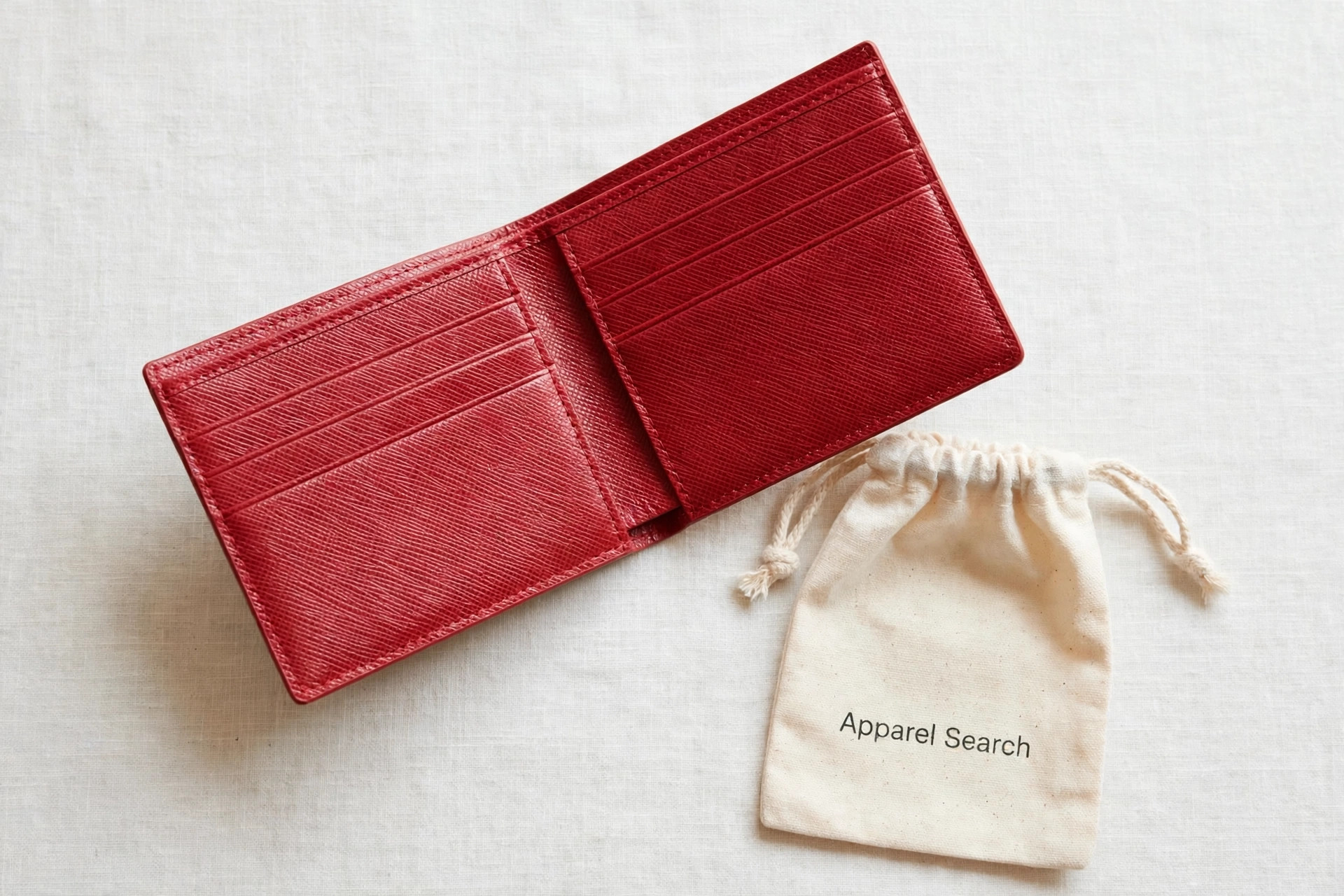
A cardholder (or card case) is a slim holder of card slots — usually four to eight — with at most a small central pocket for folded notes or a few extra cards. It is the wallet redesigned for a life where the phone handles loyalty schemes, receipts and most payments, and the physical carry is a bank card, an ID, a travel card and a backup. Nothing else in this cluster is smaller, lighter or more honest about what you actually use.
A good cardholder disappears into a pocket, a mini bag or the palm of a hand; a bad one stretches, cracks cards or quietly sheds them. This guide covers cardholder types, true capacity (not the number printed on the box), materials from leather to aluminium, and the RFID question, so you can downsize your wallet without the regrets.
Cardholder vs Wallet: Which Do You Need?
A traditional wallet organises everything: many cards, notes unfolded, coins, receipts. A cardholder organises almost nothing, on purpose. If you pay mostly by card or phone, rarely carry coins, and are tired of a bulging bag, the cardholder fits your life — especially teamed with a phone case or a wristlet wallet for the days you need more. If you are cash-paid, coin-heavy or keep business cards and receipts on your person, keep the wallet; a cardholder forced into wallet duty fails fast.
Types: the flat cardholder has slots on both faces and often a middle pocket — the classic. The zip card case adds a zip section for coins, a key or folded notes and suits minimalists who still need a coin solution. Metal and pop-up cardholders fan cards out with a lever and protect them rigidly, at the cost of bulk and a techier look. Phone-case cardholders merge the two objects entirely — convenient, and a single point of loss, which is the honest trade to weigh.
Capacity and Fit: The Cards You Really Carry
Count your physical cards before choosing: payment card, ID or licence, travel or transit card, one loyalty or membership card and a backup payment card is a typical five. A six-slot holder takes those with the middle pocket in reserve — but slot counts flatter: two cards per slot is possible in soft leather once it relaxes, yet overstuffing early stretches slots permanently and can crack card corners. Buy for your everyday number, not your maximum; keep the rarely used cards in a drawer case at home.
Fit checks: cards should slide in with light resistance and stay when the holder is turned and shaken gently — that is the retention test that matters on a night out. Embossed cards take more room than flat printed ones. A cardholder should also disappear into your smallest regular bag; measure it against your evening clutch or minaudière if those are its destinations, because the cardholder you cannot bring is no use at the event.
Materials, RFID and Care
Leather is the standard for good reason: it grips cards kindly, softens to your set, and ages well — saffiano and other textured leathers resist scratches, smooth leathers show patina. Vegan leathers and recycled fabrics lighten the look and price; aluminium and carbon-fibre shells maximise protection and minimise flex. Stitching at slot mouths takes the strain, so check it: loose threads on day one become a torn slot by month three.
RFID-blocking linings shield contactless cards from skimming readers. The real-world risk is low, and banks' fraud protection covers most losses, but the lining costs little and harms nothing — treat it as a mild bonus, not a reason to overpay, and note it can block your travel card too: keep the tap card in an outer, unshielded slot if your holder mixes both. Care: keep leather away from hand-cream-heavy hands until dry, wipe with a soft cloth, never wash, and retire a holder whose slots have gone slack — a lost bank card costs more than a new case.
Common Questions
How many cards fit in a cardholder?
Most flat cardholders have four to six slots plus a central pocket, and comfortably hold five to eight cards in total — one per slot, plus one or two in the middle. Two cards per slot is possible in softened leather but stretches the slots over time. Count your genuine everyday cards first and buy to that number.
Is a cardholder enough as a wallet?
For card-and-phone payers, yes: bank card, ID, travel card and a backup cover most days, with folded notes in the central pocket for cash moments. If you regularly carry coins, many receipts or numerous cards, a cardholder alone will frustrate you — pair it with a small zip pouch, or keep a full wallet for those days.
Do I need RFID protection in a cardholder?
It is optional. Contactless skimming is rare and usually covered by bank fraud protection, but RFID-blocking lining is inexpensive and does no harm. One caution: it may also block a contactless travel card, so keep the card you tap for transit in an unshielded outer slot if your holder has one.
Women's Bags Guides
Small bags, evening bags and everyday carry for women — every women's guide in this cluster:
Men's Bags Guides
Work, laptop and travel bags for men — every men's guide in this cluster:
More to Explore on Apparel Search
Across to the men's bags: continue to the messenger bag, the crossbody classic for work and city life.
Next: Men's Messenger Bag Guide: The Crossbody Work Classic »Looking for Women's Clothing Stores?
This guide helps you choose a cardholder that holds your real cards — and only your real cards. To browse where to buy, visit our womens clothing store directory, where you can find retailers that carry them.