Women's Hobo Handbags Guide
One shape, endlessly reissued: the crescent hobo with its single shoulder strap and deliberate slouch. Where the name comes from, why the slouch is the point, and how to wear and care for one.
Shop Women's Hobo Handbags Now
Shop Women's Hobo Handbags on Amazon Shop Women's Hobo Handbags on eBayThe Amazon and eBay links on this page are affiliate links. If you make a purchase through them, Apparel Search may earn a commission.
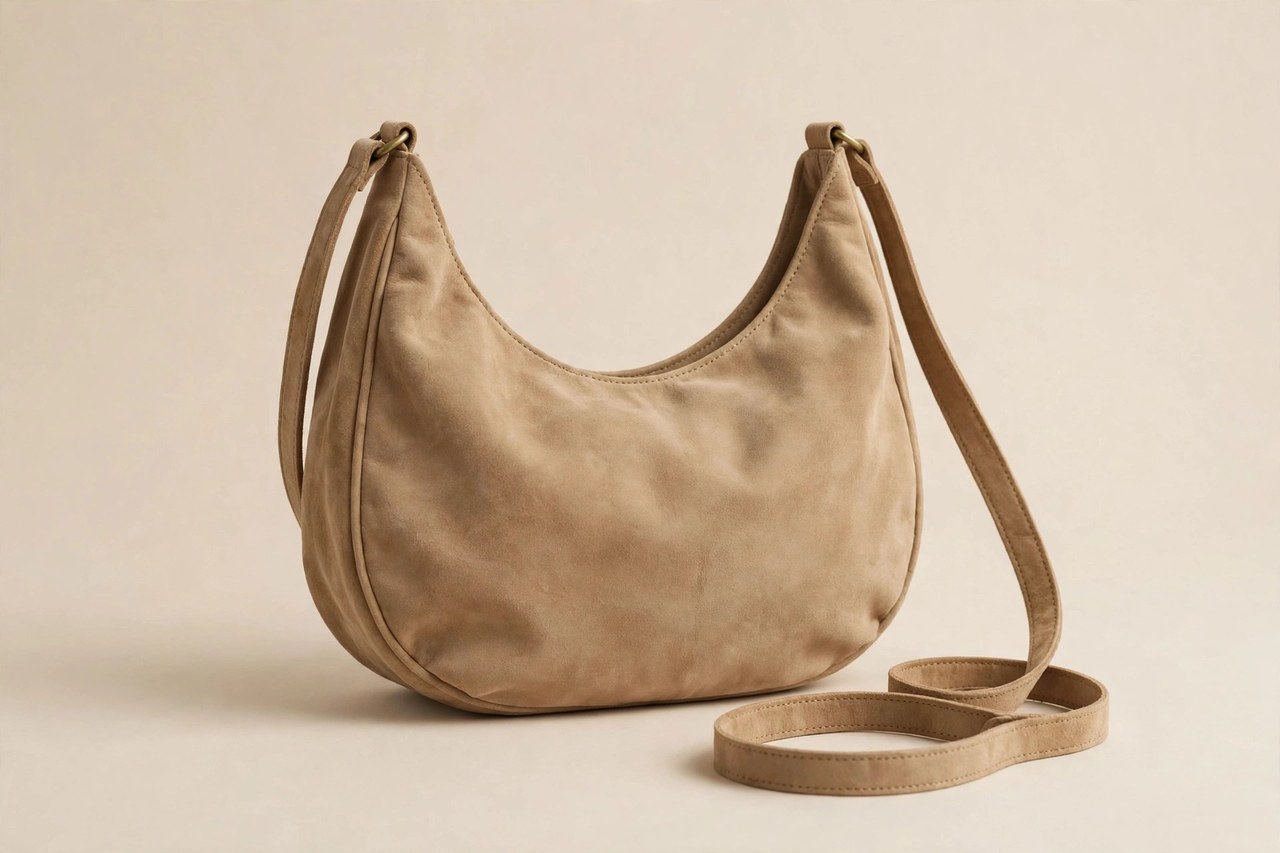
The hobo is the one handbag defined by its posture. It is a style of bag typically large, characterised by a crescent shape, a slouchy posture and a long strap designed to wear over the shoulder. Where the tote stands and the satchel sits, the hobo settles — it folds in on itself, softens against the body, and looks better slightly rumpled than it ever could pristine. This guide is devoted to that single shape; for the full handbag family, see our handbags umbrella guide.
It is a shape with staying power. The hobo swells whenever fashion turns bohemian or relaxed and quietly persists in between, because its virtues are practical as much as stylistic: a generous single compartment, a strap that leaves the hands free, and a silhouette that dresses down tailoring and dresses up denim with equal ease.
Why It Is Called a Hobo: The Bindle Story
A hobo was a migrant worker or homeless traveller, a term that originated in the western — probably northwestern — United States around 1890. Travelling hobos carried their belongings in a bindle: the sack stereotypically slung from a stick carried over the shoulder, known colloquially as the blanket stick, particularly in the northeastern hobo community. A hobo who carried one was a bindlestiff.
The purse took the name because it resembles the shape of that bindle on its stick, as portrayed in drawings and cartoons: a soft, sagging bundle gathered up to a single carrying point. The resemblance is structural, not just poetic — hang a hobo bag by its strap and the body of the bag drapes and gathers beneath it exactly as a tied cloth bundle drapes beneath its knot.
Shape, Slouch and the Single Strap
Three features make a hobo a hobo. The crescent silhouette: the top edge dips in a shallow curve between the strap attachments, so the bag's mouth sits lower than its corners. The single strap, typically adjustable in length, wide enough to spread a loaded bag's weight, and long enough to wear on the shoulder — the design intends the bag to be worn rather than held in the hand. And the slouch itself, which is engineered, not accidental.
The slouch comes from material choice. Hobo bags are produced from relatively flexible materials such as soft leather, microfiber and suede — skins and cloths with no internal structure to fight gravity. As a result the bag tends to slouch or fold in on itself even when hanging from the shoulder. If you want a bag that holds a crisp outline on the shelf, choose a satchel; the hobo's charm is precisely that it refuses to.
Sizes, Interiors and Choosing One
Hobos run from medium shoulder bags to the genuinely oversized, and size is the first decision: the crescent holds more than it looks, but its single open compartment means everything settles to the bottom curve. Look for a zip top rather than a magnetic snap if you commute, and for at least one zip pocket and phone slip inside; many wearers add a pouch or organiser, since the hobo offers no structure to separate things for you.
Try the strap at its shortest and longest: worn short, the bag tucks under the arm and reads polished; worn long, it sits at the hip and reads relaxed — the adjustability the original design promised. Check that the strap attachments are stitched or riveted through reinforced panels. On a bag whose whole weight hangs from two points, those two points are the bag, structurally speaking.
Styling and Care
The hobo is fashion's softener. It takes the edge off a blazer and trousers, completes the long-skirt and boots bohemian line it was named into, and is the natural partner for knitwear, denim and suede — textures that share its unstarched mood. Structured tailoring in stiff fabrics is its hardest pairing; even there, a hobo in smooth leather at the smaller end of the size range bridges the gap by looking intentional rather than accidental.
Care follows the softness. Store the bag stuffed — an unstuffed hobo collapses into permanent folds, and soft leather creases where it slumps. Condition leather and protect suede as you would on any bag, keep the bag out of its own dust bag only briefly in damp weather, and rest it between uses. A hobo that is allowed to keep its shape at rest will slouch beautifully in use, which is the whole art of the style.
More Bag & Accessory Guides
Photos

Looking for Women's Clothing Stores?
This guide helps you choose women's hobo handbags, the slouchy crescent shoulder bag. To browse where to buy, visit our women's clothing store directory, where you can find retailers that carry them.