Women's Contemporary Fashion Brands Guide
Between designer and mass market — how to spot the contemporary tier and judge whether it is worth the price.
Shop Women's Contemporary Fashion Brands Now
Shop Women's Contemporary Fashion Brands on Amazon Shop Women's Contemporary Fashion Brands on eBayThe Amazon and eBay links on this page are affiliate links. If you make a purchase through them, Apparel Search may earn a commission.
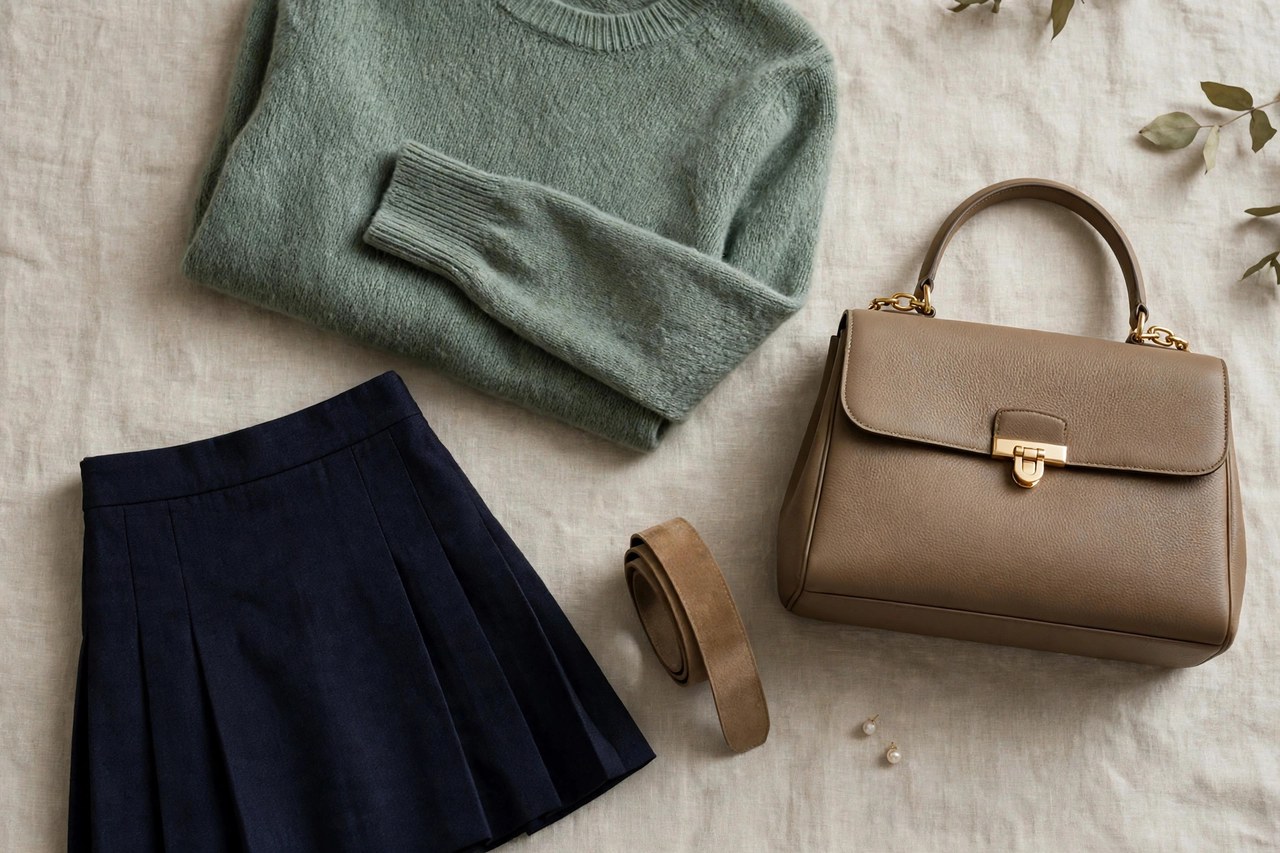
Contemporary brands occupy the tier retailers once called bridge — the bridge between high-street mass market and luxury designer. A contemporary dress typically costs several times a fast-fashion equivalent but a fraction of a runway label, and for that premium the shopper expects genuinely better fabric, more considered design, and construction that survives more than one season. Many famous contemporary labels began as diffusion or second lines of designer houses, created to offer a designer's eye at an accessible level, while others launched independently with the same promise: fashion-forward design without luxury markup. Understanding this tier helps you shop across all tiers more wisely, because once you can spot what the extra money actually buys — and when it buys only a label — you can decide for yourself where a garment deserves your budget.
How the Tier Is Defined
Price is the most visible marker, but design behavior defines the tier more reliably. Contemporary brands release seasonal collections with a clear point of view, show current silhouettes early, and design original pieces rather than copying basics. Their distribution is selective: department-store contemporary departments, brand boutiques, and curated online retailers rather than every mall chain. Marketing leans on aesthetic identity — a recognizable palette, signature cuts, a lifestyle the customer wants to join. Crucially, the tier assumes a customer who follows fashion but dresses for work and real life, so collections balance statement pieces with wearable separates. When you see a label offering trend-led design, mid-three-figure dresses, elevated fabrics, and limited distribution together, you are looking at a contemporary brand regardless of how it describes itself. Diffusion lines from luxury houses sit at the top of this tier; independent contemporary labels fill its center.
What the Extra Money Should Buy
At contemporary prices, demand tangible returns. Fabrics should include a meaningful share of natural or premium fibers — silk, wool, linen, quality cotton, Tencel — and blends should be chosen for performance, not merely cheapness. Design should feel authored: an interesting seam, a considered drape, a print created for the brand rather than a stock pattern. Construction benchmarks include lined dresses and blazers, finished interior seams, functional pockets where the design allows, sturdy zippers, and buttons sewn to last. Fit should be consistent across seasons, so a customer can reorder her size with confidence. If a garment at this level is unlined, thin, and indistinguishable from a budget copy except for its label, the premium is buying branding alone. Learning to check fiber content labels and turn garments inside out in the fitting room is the contemporary shopper's most valuable habit.
Spotting the Tier When You Shop
In department stores, contemporary collections are merchandised together, separate from both designer salons and budget junior departments, and staff there can usually explain each label's fit personality — which runs narrow, which favors curves, which cuts long. Online, use filters and editorial groupings the same way: retailers cluster contemporary labels because customers cross-shop within the tier. Read the product details closely: fiber percentages, lining information, care requirements, and country of manufacture tell a clearer story than marketing copy. Sale patterns also reveal tier behavior — contemporary brands discount seasonally but protect their core pricing, unlike perpetual-sale mass labels. Finally, compare within the store: hold a contemporary blouse beside a budget one and note weight, stitch density, and how the fabric recovers when crumpled. After a few comparisons, your hands will recognize the tier before your eyes check the price tag.
Value: Cost Per Wear and Smart Buying
Contemporary pieces earn their price through repetition. A well-made trouser, knit dress, or blazer worn thirty times a year for three years quickly beats a cheap equivalent replaced every season, both in cost per wear and in how consistently polished you look. To maximize value, buy contemporary for the pieces you wear most and that show quality most visibly — tailoring, knitwear, dresses, coats — and spend less on fleeting trend items you may tire of quickly. Shop the tier strategically: end-of-season sales, outlet arms of contemporary labels, and reputable resale platforms all offer genuine contemporary construction at reduced prices, but inspect resale pieces for pilling, stretched knitwear, and worn linings. Keep a short list of two or three labels whose fit suits you; brand loyalty within the tier is practical, not limiting, because consistent fit removes the guesswork from every future purchase.
Care and Resale: Protecting the Investment
Contemporary garments repay careful maintenance because their fabrics and construction can last. Follow fiber-specific care: cool gentle washing for knits laid flat to dry, professional cleaning sparingly for structured tailoring, and prompt attention to loose buttons and hems before small faults become repairs. Store knitwear folded to prevent hanger stretch, and keep blazers and dresses in breathable space rather than crushed together. Documentation helps if you later resell — contemporary labels hold resale value better than mass brands, especially for recognizable signature pieces in neutral colors kept in good condition. Keep purchase details, photograph garments in natural light for listings, and describe fiber content honestly. Whether you keep a piece for a decade or pass it on after two seasons, treating contemporary clothing as a wardrobe investment rather than disposable fashion is the mindset the tier was created for, and it is what makes the bridge price worthwhile.
Related Women's Guides
More to Explore on Apparel Search
Looking for Women's Clothing Stores?
This guide helps you choose women's contemporary fashion brands by style, fabric and fit. To browse where to buy, visit our women's clothing store directory, where you can find retailers that carry them.