Women's Cotton Dresses Guide
One fabric, every kind of day dress — from crisp shirtdresses to easy sundresses in poplin, lawn, and jersey.
Shop Women's Cotton Dresses Now
Shop Women's Cotton Dresses on Amazon Shop Women's Cotton Dresses on eBayThe Amazon and eBay links on this page are affiliate links. If you make a purchase through them, Apparel Search may earn a commission.
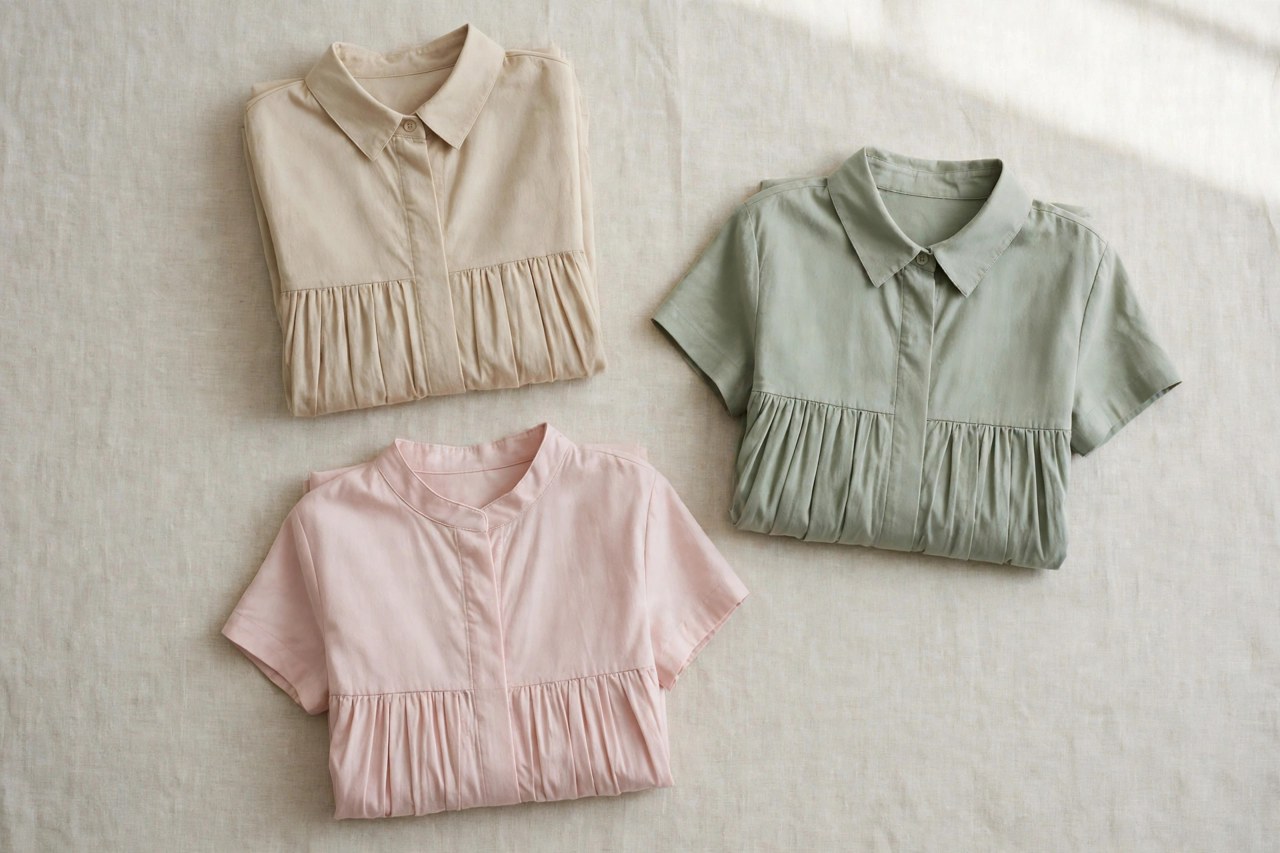
Cotton dresses form the broadest and most useful dress category in most wardrobes, because cotton cloth can be crisp or soft, structured or flowing, depending entirely on the weave chosen. This umbrella guide covers the main families. Shirtdresses borrow the collar, placket, and cuffs of a shirt and add a skirt, making them the most work-ready cotton dresses. Sundresses are lighter warm-weather styles with straps or short sleeves, often in lawn or voile, made for heat rather than offices. Jersey and T-shirt dresses use knitted cotton for pull-on ease. Wrap, shift, fit-and-flare, and maxi styles round out the range. What unites them is breathability, easy washing, and a natural hand-feel that keeps cotton dresses in constant rotation from spring through early autumn, and layered well beyond.
Dress Fabrics: Poplin, Lawn, Jersey, and More
Poplin gives a smooth, slightly crisp dress that holds a collar and a pleat, perfect for shirtdresses, and it resists wrinkling better than most cottons. Lawn is finer and lighter, with a soft sheen that suits sundresses and tiered summer styles, though pale lawn may need a lining or slip. Cotton jersey, the T-shirt knit, drapes and stretches, travels without creasing, and makes the easiest everyday dresses, but shows every line underneath and can cling in humidity. Seersucker's puckered stripes lift cloth off the skin for airflow in hot weather, while cotton sateen adds a gentle luster for dressier occasions. Denim and chambray dresses bring twill durability to casual styles. Matching weave to purpose, rather than buying on color alone, is what makes one cotton dress get worn weekly and another hang unworn.
The Main Styles and When Each Works
Shirtdresses suit offices, lunches, and travel days when you want one piece to look finished, especially with a self belt defining the waist. Fit-and-flare dresses, fitted at the bodice and full in the skirt, flatter many figures and move well for events and photographs. Shift dresses hang straight from the shoulders, feel effortless in heat, and work best in fabrics with some body so they skim rather than collapse. Wrap dresses adjust at the waist and adapt to size fluctuations gracefully. Sundresses with smocked or elastic backs fit forgivingly and pack to nothing for holidays. Maxi dresses in cotton jersey or gauze offer coverage with airflow for hot evenings. Tiered and ruffled styles add volume and suit relaxed settings. Choosing by the day you actually have, rather than an imagined occasion, keeps the category honest.
Fit, Length, and Linings
Because cotton has little natural stretch in woven form, fit depends on cut, so check that the bust sits without button gape, the waist seam lands at your own waist, and you can sit and climb stairs comfortably in the skirt length you choose. Knee-length dresses are the most versatile across workplaces and events, midi lengths read modern and pair well with flats or low heels, and mini styles suit casual summer wear. Many cotton dresses include a light lining in the skirt or bodice; linings prevent sheerness in lawn and voile, help the dress slide over tights, and improve how the skirt hangs, though an unlined dress in opaque poplin is cooler. Pockets at the side seams have become common and are worth seeking out. If a dress almost fits, a tailor can usually adjust a cotton hem or waist easily and inexpensively.
Seasonal Styling and Layering
In summer, a cotton dress needs little help: sandals, a woven bag, and sun protection complete most looks. Spring and autumn reward layering, since cotton dresses pair naturally with denim jackets, cardigans, and blazers, and a jersey dress under a structured jacket can look deliberately polished. Add tights and ankle boots to extend a poplin shirtdress into cooler months, choosing darker prints and heavier weaves as temperatures fall. Belts change a dress's proportions quickly, and swapping a self belt for a leather one sharpens a casual dress noticeably. For travel, jersey and seersucker dresses earn their suitcase space because they emerge wearable, while lawn dresses pack lightest. A small rotation of three or four cotton dresses in different weaves and lengths covers more real occasions than a closet of occasional dresses in fancier fabrics.
Care, Shrinkage, and Keeping Colors Fresh
Most cotton dresses wash well in cool water on a gentle cycle, but read the label, since linings, interfaced collars, and delicate lawn trims may prefer hand washing. Expect modest shrinkage in length on the first wash for loomstate woven cottons, less in pre-shrunk or garment-washed dresses, so buy with a fraction of hem allowance if you are tall. Wash dark and printed dresses inside out and separately at first, because cotton dyes can bleed slightly early on. Line drying preserves fit and color better than tumble drying and avoids setting wrinkles into poplin; a quick iron or steam restores crisp styles. Store knit dresses folded to prevent hanger stretch at the shoulders, and hang woven dresses by their loops. Treated this way, a sound cotton dress stays in service for many seasons.
Related Women's Cotton Guides
More to Explore on Apparel Search
Photos

Looking for Women's Clothing Stores?
This guide helps you choose women's cotton dresses by style, fabric, and season. To browse where to buy, visit our women's clothing store directory, where you can find retailers that carry them.