Women's Maternity Cotton Shirts Guide
Breathable woven cotton, room where you need it, and designs that keep working after pregnancy — a practical guide.
Shop Women's Maternity Cotton Shirts Now
Shop Women's Maternity Cotton Shirts on Amazon Shop Women's Maternity Cotton Shirts on eBayThe Amazon and eBay links on this page are affiliate links. If you make a purchase through them, Apparel Search may earn a commission.
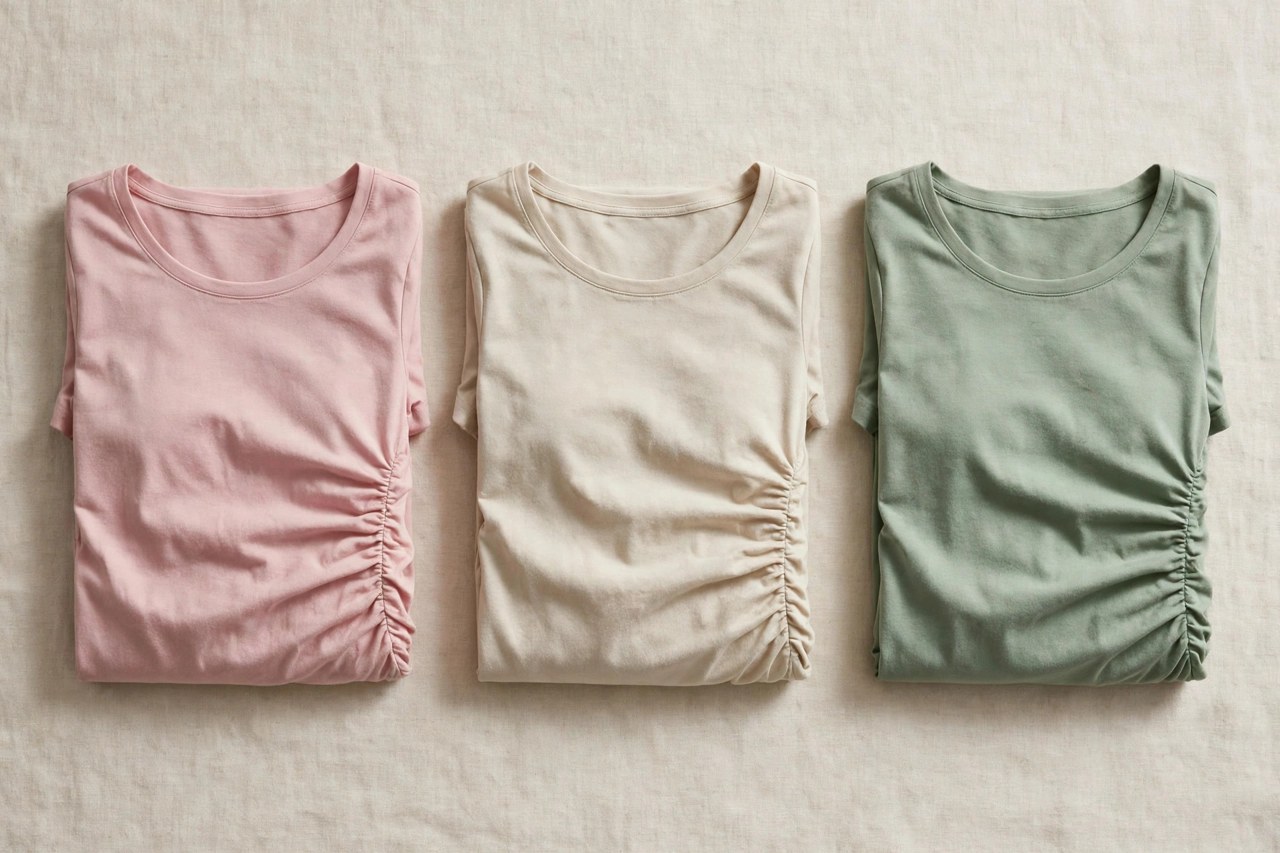
Maternity cotton shirts are woven button-front and pullover shirts designed to accommodate a growing bump while keeping the breathable, skin-friendly qualities that make cotton a sensible choice in pregnancy. Unlike maternity tees, which rely on stretch jersey, these shirts use woven fabrics such as poplin, lawn, and lightweight twill, gaining room from design rather than elasticity alone. Common solutions include wrap fronts that adjust as your shape changes, empire seams that let the cloth fall freely below the bust, side ruching or shirring that expands gradually, and extra length that keeps the hem in place. Many styles are also designed with nursing-friendly openings, so a shirt bought in the second trimester can remain useful in the months after birth, improving its cost per wear considerably.
Cotton Weaves That Stay Comfortable
Poplin is the workhorse here: a smooth plain weave that feels cool, holds a neat collar, and looks polished enough for work. Cotton lawn is lighter and softer, ideal in warm weather or for anyone who runs hot during pregnancy, though it wrinkles more readily and can be slightly sheer in pale colors. Voile and double gauze offer the airiest feel of all, with gauze adding a pleasant crinkled texture that hides creases. Most maternity shirts are pure cotton or cotton with a small amount of elastane woven in, and even two percent stretch makes a noticeable difference when sitting, reaching, and fastening buttons. Heavier twills suit cooler months and add structure, but can feel warm; save them for layering. Whatever the weave, breathability matters more than novelty, because comfort across a whole day is the point.
Designs That Grow With You
Wrap shirts are the most adjustable option, tying at the side or back so the fit can loosen week by week, and they create a flattering diagonal line. Empire-waist shirts gather or seam just under the bust and release the fabric below, which works from early pregnancy through the final weeks and often fits comfortably afterward too. Look for practical construction details: a longer back hem, side panels or pleats that open as needed, sleeves that can be rolled and tabbed up in warm rooms, and button spacing close enough that the placket does not gape when you sit. Some shirts add a hidden inner panel or double-front opening for nursing access. Trying a shirt seated as well as standing tells you more than any size chart, since most of a workday is spent sitting down.
Sizing and When to Buy
As a general rule, buy your pre-pregnancy size in true maternity ranges, because the grading already adds room through the bust, waist, and hip while keeping shoulders and neckline proportioned. Sizing up in ordinary shirts often adds length in the wrong places and leaves the shoulders drooping. Most people find one or two woven maternity shirts enough alongside knit tops, choosing them for work, events, and days when a more finished look helps. The second trimester is usually the right time to buy, when regular shirts begin to pull. Check the return window, since fit changes quickly. If you are between sizes, favor the size that fits the bust comfortably, because woven cotton has little forgiveness there, while the waist can usually be adjusted by design. Keep receipts and tags until you have worn the shirt for a full day.
Styling for Work and Everyday Wear
A crisp white or pale blue maternity poplin shirt with tailored maternity trousers is a reliable work outfit that needs no extra thought. Patterned shirts in small checks, fine stripes, or subtle prints camouflage creases and everyday marks better than solids and pair easily with plain bottoms. Wear wrap shirts with a camisole underneath for coverage, leave a button-front open over a plain tee as a light layer in transitional weather, and add a cardigan when offices run cold. Because woven shirts read more dressed than tees, they carry a simple outfit to appointments, lunches, and photographs without extra accessories. Choose machine-washable fabrics without exception; a maternity shirt that needs special handling will simply stop being worn during the busiest months of your life, however lovely it looks on the hanger.
Care and Getting Full Value
Cotton maternity shirts should be washed before first wear to soften the cloth and remove finishing treatments, then laundered in cool water and dried on low to limit shrinkage, since a shirt that fit at seven months has little spare length to lose. Button the placket and turn the shirt inside out to protect buttons and reduce fading. A quick steam or warm iron restores poplin's crispness for workdays. After pregnancy, wrap and empire styles often continue to fit during the gradual return to your usual shape, and nursing-friendly designs earn their keep daily. Once outgrown, well-kept cotton shirts hold up well for a future pregnancy, for passing to a friend, or for resale, which is another reason to choose classic colors and sound construction over short-lived trends.
Related Women's Cotton Guides
More to Explore on Apparel Search
- Apparel
- benefits of cotton fashion blog post
- Clothes
- Clothing Retail Stores
- Cotton
- Cotton Definition
- Cotton News
- different types of shirts
- Fashion
- Fashion Designers
- Maternity Clothes Guide
- Maternity Clothing Stores
- Maternity Fashion
- Maternity Shirts
- Organic Cotton
- Popular Brands
- Women's Clothing Stores
- Women's Clothing Wholesalers
- Women's Cotton Clothing
- Women's Fashion
- Women's Shirts
Photos

Looking for Women's Clothing Stores?
This guide helps you choose women's maternity cotton shirts by style and fabric. To browse where to buy, visit our women's clothing store directory, where you can find retailers that carry them.