Women's Maternity Cotton T-Shirts Guide
Practical, breathable cotton tees for pregnancy — ruching, extra length, and fits that work through every trimester and beyond.
Shop Women's Maternity Cotton T-Shirts Now
Shop Women's Maternity Cotton T-Shirts on Amazon Shop Women's Maternity Cotton T-Shirts on eBayThe Amazon and eBay links on this page are affiliate links. If you make a purchase through them, Apparel Search may earn a commission.
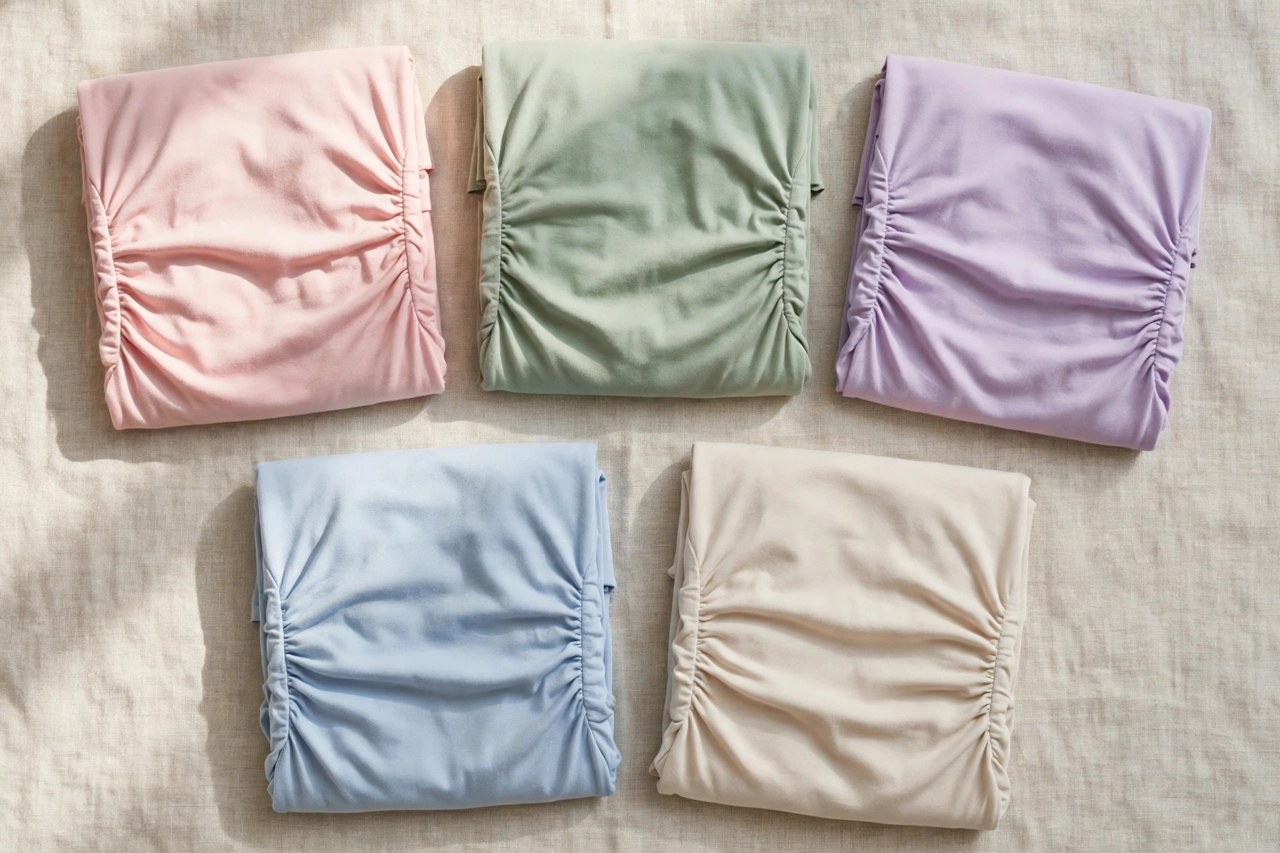
A maternity t-shirt has one job: to keep a changing body comfortable and covered in the most ordinary, wearable garment there is. Cotton is the practical fibre for the job. It breathes when body temperature runs higher in pregnancy, feels soft against skin that often becomes more sensitive, washes without special handling, and holds up to the frequent laundering that daily staples receive. But an ordinary cotton t-shirt in a bigger size is not the same thing as a maternity t-shirt, and the difference is engineering, not marketing. True maternity tees add room exactly where pregnancy needs it, length where hems ride up, and stretch or gathering that lets one garment work across months rather than weeks. This guide is written practically and neutrally: how the fits work, which details repay their cost, and how to buy a small rotation that lasts through pregnancy and remains useful afterwards.
How Maternity Fits Actually Work
Maternity t-shirts create room by design rather than by overall size. Side ruching, vertical gathers sewn along the side seams, is the most common system: the extra fabric is pre-gathered, then unfolds progressively as the bump grows, which keeps the shirt smooth and fitted-looking in early months and still adequate in late ones. Empire designs place a seam just under the bust and let fabric fall or gather below it, giving the bump unrestricted room while defining the narrowest point of the torso. A-line and swing cuts flare from the chest with no gathering, offering the loosest, coolest fit, at the cost of a less defined shape. Wrap and crossover fronts add adjustable room tied or fixed at the side. What all good designs share is a front panel cut longer and fuller than the back; a standard tee stretched over a bump rides up in front and exposes the waistband, while a maternity front keeps its coverage. Buy your pre-pregnancy size in true maternity cuts, since the room is already built in.
Length, Necklines, and Coverage Details
Extra length is the maternity tee's least glamorous and most useful feature. Front hems run several centimetres longer than standard, compensating for the fabric the bump lifts, so coverage stays constant when standing, sitting, and bending. Longer overall styles also pair properly with maternity leggings and under-bump waistbands. Necklines deserve the same practical eye. Scoop and V-necks stay comfortable as the bust changes and avoid pressure at the throat, while crew necks should be checked for a soft, stretchy collar band that does not bind. Sleeves in maternity tees are often cut slightly fuller or with a stretch jersey that accommodates changing upper arms without squeezing. When trying a shirt early in pregnancy, sit down in it and raise your arms; a maternity tee should pass both tests now and have visible reserve, in ruching or flare, for later.
Cotton Weights, Stretch, and Sensitive Skin
Midweight cotton jersey, roughly 160 to 190 GSM, is the workhorse for maternity tees: opaque enough to wear without a layer, structured enough to drape over a bump rather than cling to every contour, and durable across a pregnancy of washing. Lighter jerseys feel cooler in summer and in the warmer later months of pregnancy, but show more and wear faster. Nearly all maternity cotton tees include a small percentage of elastane, and here it earns its place: it lets ruching recover, keeps necklines from stretching out under changed weight distribution, and helps the garment return to a wearable shape after pregnancy. For sensitive skin, look for smooth interlock or finely knitted jerseys, flat or covered seams at the sides where ruching gathers, and labels placed so they do not sit against the bump. Cotton's breathability also matters practically for temperature regulation and for comfort during sleep, which is why many maternity tees double as sleep tops in the final weeks.
Nursing-Friendly Designs, Explained Plainly
Some maternity t-shirts are designed to keep working after the birth for feeding, and the mechanisms are simple. Lift-up designs have a double front layer: an outer panel that lifts from an empire seam, with a lower layer beneath. Crossover and wrap fronts pull aside without fastenings. Side-access styles hide openings within the ruching or under a front panel. These features add modest cost and a little fabric weight, so they are worth choosing when you expect to use them and unnecessary when you do not; a plain maternity tee remains fully useful as a comfortable postpartum top regardless. When comparing designs, test the mechanism one-handed, since that is how it will be used while holding a baby, and check that panels lie flat and look like an ordinary t-shirt when closed.
Buying a Rotation That Lasts
Most people need fewer maternity tees than they fear, bought at the right time. Start when ordinary tees begin pulling across the front, usually in the second trimester, and buy a small rotation of three to five in colours that mix with existing bottoms: black, white, grey, and navy cover nearly everything, with one softer colour for variety. Prioritise two ruched midweight tees for daily wear, one lighter tee for heat or layering, and, if wanted, one nursing-friendly design for later. Wash cotton maternity tees cool and inside out, dry them away from high heat to protect elastane and length, and fold rather than hang them, since the stretched front panel can grow under its own weight on a hanger. Practical, breathable, and honestly engineered, the maternity cotton tee is a small garment that does its work quietly and well.
Looking for Women's Clothing Stores?
This guide helps you choose women's maternity cotton t-shirts by fit, trimester and design. To browse where to buy, visit our women's clothing store directory, where you can find retailers that carry them.