Women's Cotton Shirts Guide
Poplin, lawn, oxford, or broadcloth — the weave in the shirting decides the crispness, the drape, and how the shirt behaves by lunchtime.
Shop Women's Cotton Shirts Now
Shop Women's Cotton Shirts on Amazon Shop Women's Cotton Shirts on eBayThe Amazon and eBay links on this page are affiliate links. If you make a purchase through them, Apparel Search may earn a commission.

A cotton shirt lives or dies by its shirting. Two shirts can share a pattern, a collar shape, and a price, yet one stays smooth through a working day while the other collapses into creases before the first meeting ends. The difference is almost always the woven cloth: its weave structure, its yarn fineness, and its finish. Women's cotton shirts are most often cut from poplin, lawn, broadcloth, oxford, or voile, with twill and seersucker adding texture at the edges. Each weave handles air, wrinkles, and ironing differently, and none is simply better than the others — they are tools for different jobs. This guide compares them on the qualities that matter in wear, so you can match the cloth to the shirt you actually need.
Poplin, Broadcloth, and Lawn Compared
Poplin is a plain weave with finer warp yarns packed tightly over a slightly heavier weft, producing a smooth face with a barely visible rib and a clean, professional finish. It is the default for crisp women's dress shirts because it presses sharp, holds collar shape, and takes dye evenly. Broadcloth is a very similar tight plain weave, traditionally a touch lighter and smoother, often used interchangeably with poplin in modern shirting. Lawn sits at the delicate end: a light, airy plain weave with a soft, almost silky hand, originally made from fine linen and now usually fine cotton. Lawn shirts feel wonderful in heat and layer invisibly under knitwear, but the cloth is sheer enough to need a camisole or lining, and it creases softly rather than holding a pressed edge. Choose poplin for structure, lawn for lightness.
Oxford, Twill, Voile, and Seersucker
Oxford cloth uses a basket weave — pairs of yarns crossing in both directions — which gives it a pebbled texture, a softer drape than poplin, and a more relaxed character that suits button-down collars and weekend shirts. Pinpoint oxford refines the same weave with finer yarns for a smoother, dressier result. Cotton twill shirting shows the familiar fine diagonal line; it drapes a little heavier, resists showing wrinkles, and works well in cooler months. Voile is the sheerest common shirting, a light plain weave with a slight twist in the yarn that keeps it from feeling limp; it is a summer fabric for loose, floating shirts, always with coverage planned underneath. Seersucker builds its cooling pucker into the weave itself, holding cloth away from the skin so air circulates. A wardrobe with one poplin, one oxford, and one warm-weather weave covers nearly every shirt occasion.
Thread Count, Yarn Numbers, and What They Really Mean
Shirting quality is often sold by thread count, but for shirts the yarn number tells the more useful story. Fine shirtings are woven from high-count yarns — 80s, 100s, even 120s in premium cloth — meaning thinner, smoother threads spun from longer cotton staples. Finer yarns make a silkier, denser fabric that resists pilling and holds dye in deep, even shades, though very fine lawns and voiles are correspondingly delicate. Two-ply yarns, twisted from two fine strands, add strength and a rounder, more lustrous surface, which is why better poplins feel substantial without feeling thick. Hold a shirt to the light: an even, dense weave with no thin streaks signals good yarn and careful weaving far more reliably than a marketing figure.
Wrinkle Behavior and Finishes
Cotton wrinkles because its fibers bend and hold a crease when moisture and pressure combine — exactly what elbows, seatbelts, and desk chairs supply. Weave mediates the effect: tight poplin shows sharp, defined creases, oxford's texture disguises them, twill sheds them fastest, and lawn relaxes into soft rumples that read as part of its character. Wrinkle-resistant finishes, usually resin-based easy-care treatments, genuinely help a poplin shirt emerge from the wash nearly press-free, but they can slightly reduce absorbency and will fade in effectiveness over many washes. A small synthetic blend changes behavior too, though purists lose some of cotton's cool hand. Practical strategy beats chemistry: hang shirts promptly after washing, button the top button on the hanger so collars set correctly, and touch up only collars, cuffs, and plackets with the iron. A shirt chosen in the right weave for its job needs minutes of care, not a weekly pressing session.
Shrinkage and Care for Shirting
Expect a new cotton shirt to settle by roughly two to three percent after its first few washes, mostly in length and sleeve, unless the maker has pre-shrunk the cloth or garment-washed the finished shirt. Quality makers cut collars and cuffs with that settlement allowed for, so buy your true size rather than sizing up in anticipation. Wash shirts in cool or warm water, unbuttoned, with collars uncreased and any stays removed, and wash whites separately from colors for the first cycles while loose dye clears. Heat is the enemy twice over: hot water accelerates shrinkage and fades color, and a long hot tumble dulls fine poplin and stresses buttons. Iron poplin and broadcloth warm while faintly damp for the crispest result, press oxford lightly or not at all, and let lawn and voile air-dry and take only a cool iron. Stored buttoned and hung, good shirting improves with age, softening without losing its weave discipline.
More to Explore on Apparel Search
- benefits of cotton
- Cotton
- Cotton Definition
- Cotton News
- Organic Cotton
- types of shirts
- types of t-shirts
- women's blouses
- Women's Cotton Clothing Guide
- Women's Cotton Flannel Lounge Shirts
- Women's Cotton Flannel Sleep Shirts
- Women's Cotton Heavyweight Sweatshirts
- Women's Cotton Heavyweight T-shirts
- Women's Cotton Hooded Shirts
- Women's Cotton Hooded Sweatshirts
- Women's Cotton Hooded T-shirts
- Women's Cotton Lounge Shirts
- Women's Cotton Polo Shirts
- Women's Cotton Sleep Shirts
- Women's Cotton Sweat Shirts
- Women's Cotton T-shirts
- Women's Cotton Tees
- Women's Cotton Tennis Shirts
- women's shirt guide
Photos
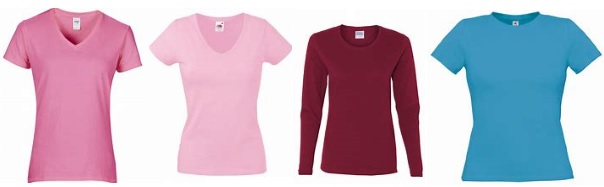
Looking for Women's Clothing Stores?
This guide helps you choose women's cotton shirts by weave, thread count and care. To browse where to buy, visit our women's clothing store directory, where you can find retailers that carry them.