Women's Cotton Tees Guide
Not just a basic — the tee is the styled version of the T-shirt, cut softer, draped looser, and made to finish an outfit.
Shop Women's Cotton Tees Now
Shop Women's Cotton Tees on Amazon Shop Women's Cotton Tees on eBayThe Amazon and eBay links on this page are affiliate links. If you make a purchase through them, Apparel Search may earn a commission.
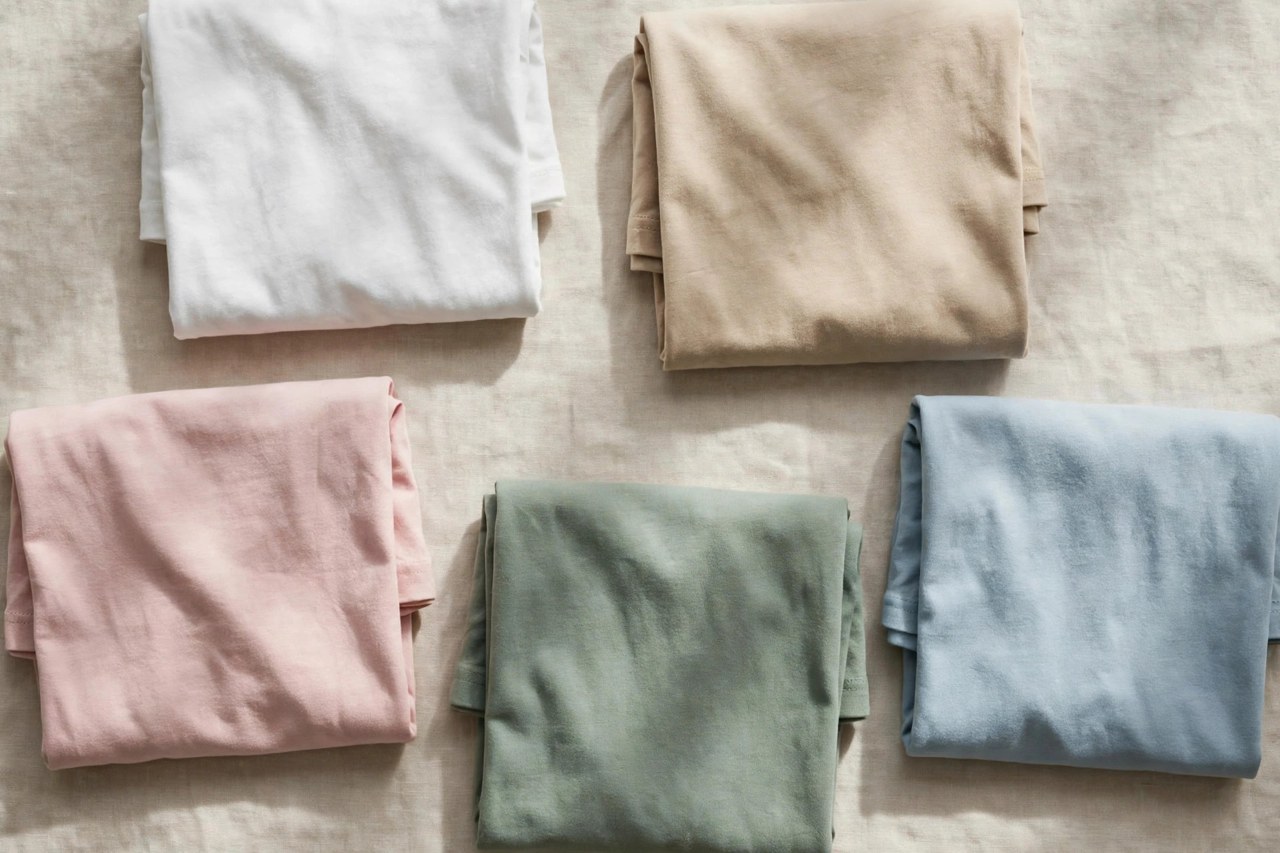
A tee is a T-shirt that went to finishing school. The distinction matters on this site and in your wardrobe: the T-shirt page covers the basic garment, the dependable staple in classic cuts. The tee, by contrast, is the styled fashion version — softer jerseys chosen for drape rather than durability alone, cuts that are cropped, oversized, knotted, or cut with deliberate details, and colours and finishes picked to complete an outfit rather than disappear under one. Designers reach for the tee when a look needs ease without sloppiness: a fluid tee half-tucked into tailored trousers, a vintage-wash tee under a blazer, a boxy cropped tee with a high-waisted skirt. Understanding that split helps you shop both categories better, because you judge a tee by how it styles, not just by how long it lasts.
What Makes a Tee a Fashion Garment
Three things separate a tee from a basic T-shirt. First, the fabric is usually lighter and more fluid: fashion jerseys often use finer yarns, sometimes blended with modal or a whisper of elastane, so the cloth falls in soft folds instead of standing away from the body. Slub textures, garment dyeing, and enzyme washes give tees a lived-in softness from day one. Second, the cut is expressive: dropped shoulders, wide sleeves, curved hems, side slits, and asymmetric details all signal styling intent. Third, the finish is considered — raw-edge hems, exposed seams, ribbed cuffs borrowed from sportswear, or a clean bound neckline chosen to sit well with necklaces. None of these make a tee better than a basic; they make it different.
Prints, Graphics, and Surface Interest
Printed and embellished tees are the loudest members of the family, and the rules are simple: let the tee be the statement and keep everything else quiet. A bold chest print pairs with plain denim, solid skirts, and simple shoes; competing patterns elsewhere turn the outfit noisy. Smaller motifs, tonal embroidery, and pocket details offer interest at a lower volume and age more gracefully as trends move on. Wash printed cotton tees inside out in cold water and skip the hot dryer, since heat cracks print surfaces and fades pigment faster than it fades the cotton itself. Stripes deserve a special mention: the Breton-style striped tee is a permanent fashion staple because it structures an outfit the way a pattern usually cannot, working with everything from white jeans to navy tailoring.
Dressing a Tee Up and Down
The dressed-up tee is one of modern fashion's most useful inventions. Tuck a fine, fluid tee fully into a pencil skirt or wide-leg trousers, add a belt and heeled shoes, and the outfit reads polished enough for most smart-casual settings while feeling like weekend wear. Under a blazer or soft jacket, a plain tee in white, black, or a muted tone replaces a blouse with far less fuss and no ironing. Jewellery does real work here: a structured necklace at a crew neckline or delicate layers over a scoop neck lift the tee instantly. Dressing down is equally deliberate. An oversized tee over slim jeans or leggings needs proportion — a front tuck, a rolled sleeve, or a knot at the hem stops the silhouette reading as shapeless. With shorts and sandals, a garment-dyed tee in a sun-faded colour looks intentional rather than thrown on.
Fit, Drape, and Choosing Your Shape
Because fashion tees are cut for drape, fit is about where the cloth lands rather than how closely it follows you. A relaxed tee should skim the shoulders at the seam or drop deliberately below it; in-between positions look accidental. Cropped tees work best with high-rise bottoms so the proportions balance, and the hem should hit at or just above the waistband rather than floating mid-torso unless that is the look you want. For fluid jerseys, check the cling factor in bright light: very fine cotton can outline undergarments, so smooth, skin-tone layers underneath keep the drape clean. If you are between sizes in a fashion tee, sizing up usually improves the drape while sizing down turns a styled cut into a tight basic. Sleeve shape is a quick style lever — rolled cuffs feel casual, flutter sleeves soften, and elbow-length sleeves read surprisingly smart under jackets.
Care for Softer Fashion Jerseys
Fashion tees ask for slightly gentler handling than workhorse basics because their appeal lives in softness and surface. Wash in cold water on a gentle cycle, ideally in a mesh bag alongside similar colours, since garment-dyed and vintage-wash finishes release a little colour in early washes. Avoid fabric softener build-up, which coats cotton fibres and dulls both softness and print. Dry flat or on a low dryer setting; high heat is the enemy of drape, shrinking fluid jersey unevenly and tightening necklines. Steam rather than iron when you can, because a hard press flattens slub texture and the relaxed character you bought the tee for. Store fashion tees folded rather than hung — fine cotton jersey grows on hangers, lengthening at the shoulders over a season. Treated this way, a good fashion tee keeps its fall and colour for years, and the small extra care is the honest price of the softer cloth.
More to Explore on Apparel Search
Photos

Looking for Women's Clothing Stores?
This guide helps you choose women's cotton tees by style, print and drape. To browse where to buy, visit our women's clothing store directory, where you can find retailers that carry them.