Women's Cotton Rib Tank Tops Guide
The ribbed tank specifically — rib gauges, stretch fit, and why this one knit became the layering staple.
Shop Women's Cotton Rib Tank Tops Now
Shop Women's Cotton Rib Tank Tops on Amazon Shop Women's Cotton Rib Tank Tops on eBayThe Amazon and eBay links on this page are affiliate links. If you make a purchase through them, Apparel Search may earn a commission.
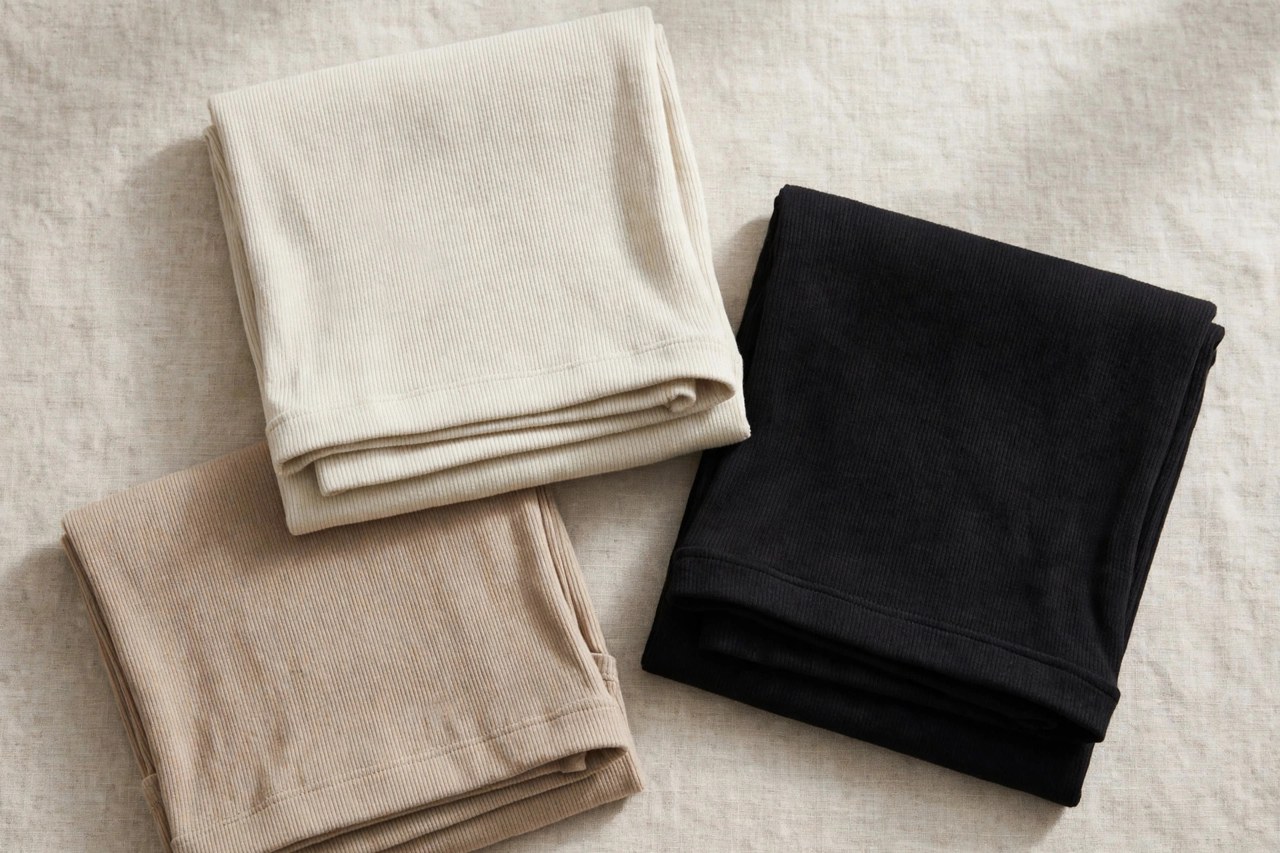
This page is about one specific garment: the ribbed cotton tank. General cotton tanks come in many knits, covered on the tank tops page; the rib tank is defined by its knit, a vertically corded rib that stretches across the body and snaps back, giving a close, anchored fit no smooth jersey can copy. That knit is why the ribbed tank became a layering staple in the first place. It stays put under shirts, adds texture worn alone, and holds its shape tucked or untucked through a full day. Understanding rib means understanding gauge — how fine or chunky those vertical cords are — because gauge controls stretch, opacity, and how dressy or casual the tank reads. Buy the gauge for the job, and a rib tank becomes one of the most reliable pieces you own.
Rib Gauges: 1x1, 2x2, and Wide Rib
Rib knit alternates raised knit columns with recessed purl columns, and the pattern is named by the repeat. A 1x1 rib alternates single columns, producing a fine, close rib with strong sideways stretch and a smooth, refined surface; it is the classic underlayer gauge and the most common for quality cotton tanks. A 2x2 rib doubles each column, giving a visibly chunkier cord, slightly less stretch per width, and a more casual, textured look that stands up well as a solo top. Wide ribs, sometimes called variegated or ottoman-style ribs, mix column widths for a deliberate fashion texture. Finer ribs read neater and layer flatter; chunkier ribs add visual weight and hide underlayers better. Hold a rib tank up stretched slightly: the cords should stay even and the fabric should remain opaque.
Stretch, Recovery, and the Elastane Question
Rib knit's stretch is mechanical — the corded structure itself extends like a spring — which is why a 100 percent cotton rib tank can fit closely without any synthetic fibre at all. Pure cotton rib feels breathable and natural and softens beautifully, but its recovery is slower: after a long day, armholes and neckline may relax slightly and only fully reset in the wash. Adding 2 to 5 percent elastane sharpens recovery, keeps the fit identical from morning to evening, and helps the tank survive frequent washing without bagging. Neither is wrong; they are different tools. Choose pure cotton rib for breathability and a classic hand feel, and elastane-blend rib for a hard-working layering piece that must look crisp daily. Either way, judge recovery in hand: stretch the fabric firmly across the cords and release it. Good rib snaps back flat and silent; tired or cheap rib stays faintly rippled.
The Classic Fit: Close, Long, and Stable
The classic ribbed tank is deliberately simple: narrow-to-standard bound straps, a scoop or straight neckline, armholes cut close, and a body that follows the torso without compression. Binding, usually cut from the same rib, finishes the neck and armholes and is part of the fit system — it holds the openings at their designed size while the body stretches below them. Length on a classic runs to the hip or just below, because the rib tank's historic job is staying tucked and staying layered; cropped rib tanks exist as a fashion variant and layer less reliably. Sizing is the common mistake. A rib tank should look slightly small on the hanger; it is designed to be worn stretched. If it fits loosely off the body, it is a size too big and will ride and bunch under clothes. Aim for smooth contact with no cords distorted sideways, which signals over-stretch and a size too small.
Styling the Staple: Alone, Under, and Between
Worn alone, a white or black rib tank with jeans or a skirt is one of fashion's most durable minimal outfits, and the rib texture is what keeps it from looking like an undershirt — that, plus a finished neckline and adequate weight. Under clothing is where the staple earns its name: rib grips gently, so open shirts, sheer blouses, and low necklines stay arranged rather than sliding against a slippery base. Between layers, a rib tank adds a visible textured band at a neckline or hem, a small styling device that makes simple outfits look layered on purpose. Racerback rib tanks suit active days and show a sportier line; standard straps layer most discreetly. Colour follows the rule of all staples: white, black, grey, and navy do the daily work, and one or two seasonal colours refresh the rotation. Because the style barely changes, quality is a better investment here than novelty.
Washing Rib Without Ruining It
Rib cotton rewards gentle handling. Wash cool and inside out, and dry flat or on a line: hanging a wet rib tank by its straps lets the weight of the water stretch the body longer and narrower, permanently changing the fit. Tumble heat accelerates the slow relaxation of pure cotton rib and can leave the hem wavy. If a pure cotton rib tank has relaxed after wear, a cool wash and flat dry will usually reset the cords; ironing is rarely needed and should be done lightly along the cords, never across them, to avoid flattening the texture that defines the garment. Shrinkage follows normal cotton behaviour, mostly in length, at roughly 3 to 5 percent on early washes if the garment was not pre-shrunk. Stored folded, kept out of harsh sun, a good rib tank holds its snap for years — and when the cords finally stop recovering, the staple has honestly earned its replacement.
More to Explore on Apparel Search
Photos


Looking for Women's Clothing Stores?
This guide helps you choose women's cotton rib tank tops by rib gauge, fit and colour. To browse where to buy, visit our women's clothing store directory, where you can find retailers that carry them.