Women's Cotton Tennis Shirts Guide
Classic cotton on court — heritage style, breathable comfort, and an honest account of cotton versus modern synthetics.
Shop Women's Cotton Tennis Shirts Now
Shop Women's Cotton Tennis Shirts on Amazon Shop Women's Cotton Tennis Shirts on eBayThe Amazon and eBay links on this page are affiliate links. If you make a purchase through them, Apparel Search may earn a commission.
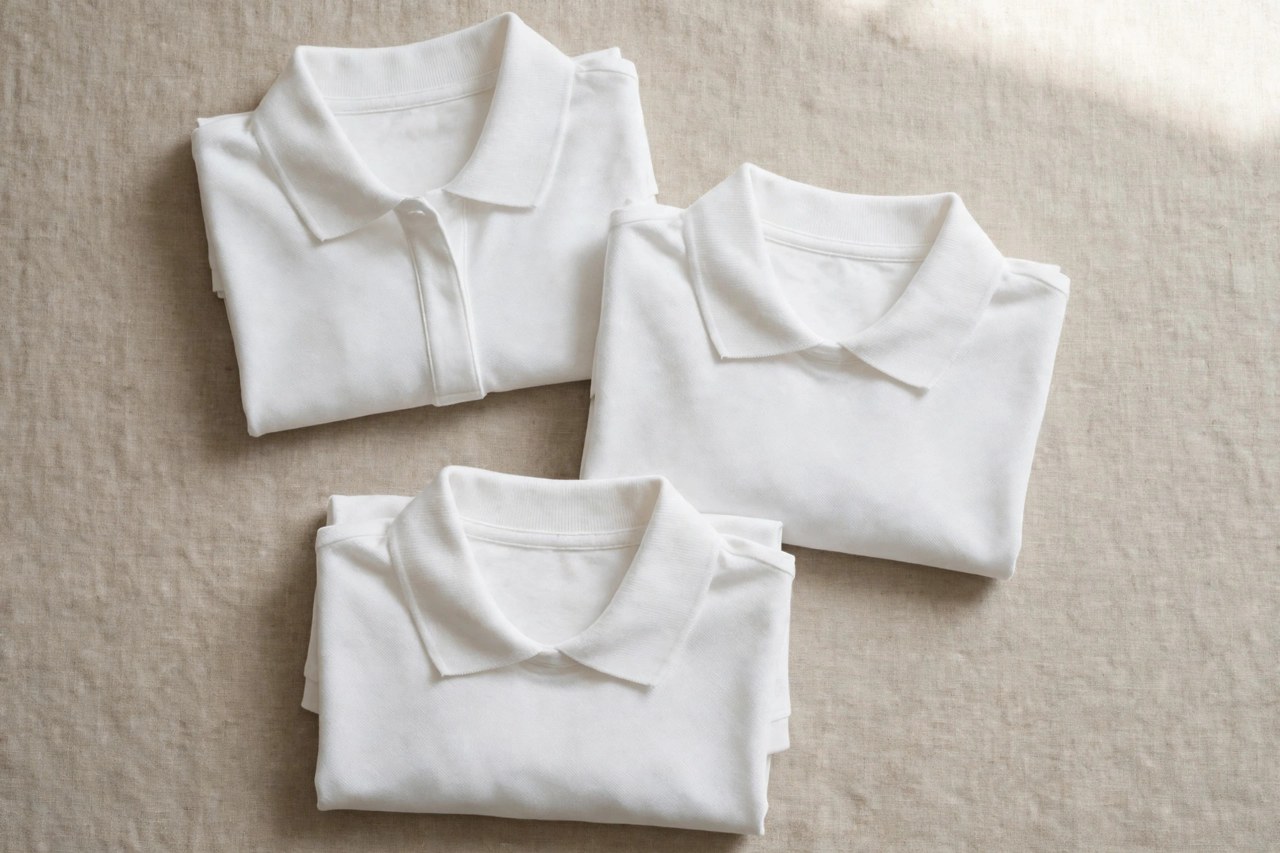
For most of tennis history, the tennis shirt was a cotton shirt: a knitted cotton polo or crew, almost always white, worn from club courts to championship finals. Modern performance synthetics now dominate competitive play, and this guide will not pretend otherwise. But cotton tennis shirts remain widely worn and widely loved for recreational games, coaching, club social tennis, and off-court life, where their natural hand feel, breathability in dry heat, and classic look count for more than laboratory moisture metrics. This page covers the cotton tennis shirt on its own terms: its heritage cuts, the construction details borrowed from sport, a frank comparison with synthetics so you can choose by the kind of tennis you actually play, and the styling that has made the shirt a wardrobe staple far beyond the baseline.
Heritage Cuts: Polos, Crews, and Whites
The classic cotton tennis shirt takes two forms. The collared version is essentially a tennis polo, covered in depth on the polo shirts page: pique cotton, a soft collar, and a placket, designed originally so players looked correct at clubs with dress codes. The collarless version is a clean cotton crew or V-neck with short sleeves and minimal trim, the practice and warm-up shirt of generations of players. Both were traditionally white, partly from club rules and partly because white reflects heat and shows a shirt is clean; coloured trim at the collar and cuffs was the permitted flourish. Women's cotton tennis shirts today keep those codes with shaped fits, cap or short sleeves, and lengths that stay tucked through a service motion or sit neatly untucked for social play. Heritage details worth having include side vents, a slightly longer back hem, and reinforced shoulders that survive bag straps and repeated washing.
Cotton Versus Synthetics: The Honest Trade-Off
Synthetic performance shirts win on three measurable points: they move sweat off the skin and dry it faster, they weigh less when wet, and they resist the heavy, saturated feeling cotton develops in long, hot matches. Cotton absorbs moisture into its fibres, so in a hard three-set game a cotton shirt can feel waterlogged and chafe. That is the truth, and serious competitive players in humid climates should weigh it fully. Cotton wins its own points just as honestly. It does not hold odour the way many synthetics do, so it smells fresher across a day that mixes a morning set with lunch and errands. It feels softer and less plasticky against the skin, breathes well in dry heat at recreational intensity, and needs no special wash care. For social doubles, coaching sessions, clinics, and an hour of rallying, cotton's disadvantages rarely surface, while its comfort and classic appearance are present from the first game. Choose by your actual tennis, not by the tour's.
Construction for Movement
A tennis shirt, cotton or otherwise, must allow a full serve and overhead without dragging. Look for sleeves set to permit a complete upward reach: raise both arms in the fitting room and confirm the hem stays near the waistband and the shoulders do not bind. Cotton pique and interlock give modest natural stretch; a small elastane content adds reach and helps the shirt recover after a match, at a slight cost to the pure cotton feel. Raglan sleeves, which run diagonally to the neckline, free the shoulder more than set-in sleeves and appear on many sport-cut shirts for that reason. Seams should be flat or smoothly finished, since a cotton shirt worn damp against moving skin will find any rough ridge. Ventilation in cotton comes from the knit itself, open pique textures and lighter jersey weights, rather than mesh panels. Length and fit should favour movement over squeeze: a shirt that needs adjusting between points is the wrong shirt, however classic it looks.
Off Court: The Tennis Shirt as a Style Staple
Few sports garments have crossed into everyday dress as completely as the tennis shirt. The white cotton polo or crew with a skirt or tailored shorts is a summer uniform that reads fresh, athletic, and put-together without effort, and it anchors the broader tenniscore look that cycles through fashion regularly. Keep off-court versions crisp: bright whites, clean collars, and minimal logos carry the heritage best. A cotton tennis shirt with a pleated skirt, white trainers, and a fine knit over the shoulders is the full classic composition; with denim or chinos it settles into ordinary smart-casual. Because the shirt was designed for a sport with an etiquette tradition, it holds its own in settings where a plain t-shirt would feel underdressed, from club lunches to casual offices in summer. That versatility, more than nostalgia, explains why cotton versions persist alongside their technical cousins in most sporting wardrobes.
Care After the Match
Cotton tennis whites ask for prompt attention. Sweat and sunscreen left sitting will yellow cotton and set stains, so rinse or wash shirts soon after play, treating collar and underarm areas first. Wash whites separately in cool-to-warm water with an oxygen-based booster when needed rather than frequent chlorine bleach, which weakens cotton and can yellow elastane trims. Line drying in shade preserves brightness better than tumble heat and avoids the length shrinkage cotton is prone to; if shirts do tumble, remove them slightly damp and smooth the collar flat. Store whites folded away from coloured garments that might transfer dye in a drawer. A cotton tennis shirt kept bright and in shape looks correct for seasons, and correctness, in this most traditional of sports wardrobes, is the whole aesthetic.
More to Explore on Apparel Search
- benefits of cotton
- breathable fabrics
- Clothes
- Cotton
- Cotton Definition
- Cotton News
- Organic Cotton
- Pique Tennis Shirts
- polo shirt
- Tennis Clothing Retailers
- types of shirts
- wiking properties
- Women's Cotton Clothing
- Women's Cotton Shirts
- Women's Cotton Tennis Socks
- Women's Shirts
- Women's Tennis Shirts
- Women's Tennis Shoes
- Women's Tops
Photos


Looking for Women's Clothing Stores?
This guide helps you choose women's cotton tennis shirts by cut, colour and use. To browse where to buy, visit our women's clothing store directory, where you can find retailers that carry them.