Women's Cotton Terry Robes Guide
All about looped cotton terry — how the loops absorb, how robe weights compare, and choosing a bath robe that dries you as well as a towel.
Shop Women's Cotton Terry Robes Now
Shop Women's Cotton Terry Robes on Amazon Shop Women's Cotton Terry Robes on eBayThe Amazon and eBay links on this page are affiliate links. If you make a purchase through them, Apparel Search may earn a commission.
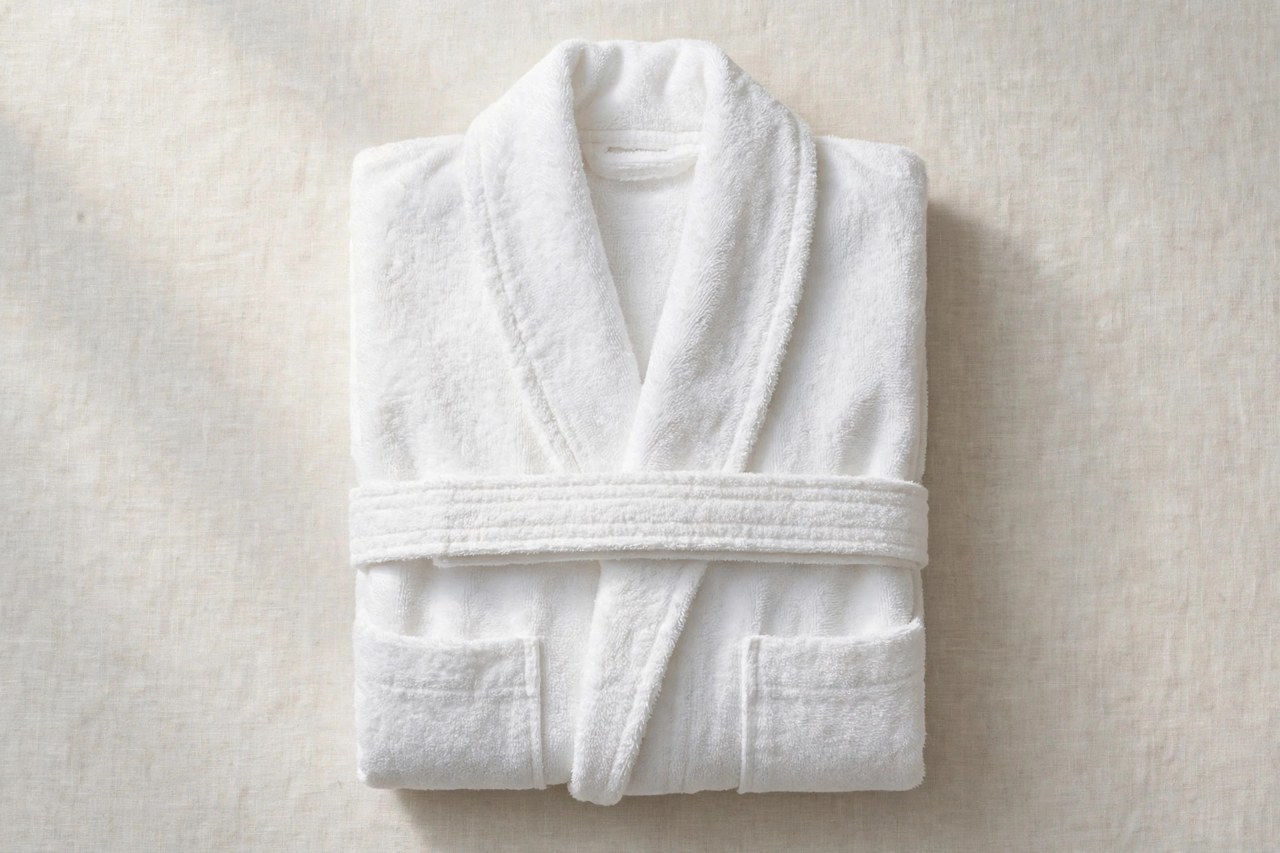
A terry robe is a towel you can wear, and its fabric explains everything about how it performs. Cotton terry is woven with an extra set of yarns that stand up from the ground cloth in thousands of uncut loops, multiplying the surface area that can meet water and hold it. This guide stays with terry specifically — the umbrella Robes page compares terry against waffle, lawn, and jersey — and covers how loop construction and weight decide absorbency and warmth, the difference between loop terry and sheared velour, and the sizing, length, and care choices that make a bath robe a ten-year garment rather than a heavy disappointment. If your robe's main job is the minutes after a bath or shower, terry is the fabric to understand.
How Looped Terry Absorbs Water
Absorbency in terry is geometry. Each loop presents the sides of a cotton yarn to the water on your skin, and cotton fiber itself is hydrophilic, drawing moisture in and holding it within the fiber and the loop structure. The result is that a terry robe dries by contact: press the robe around you and the loops wick water off far faster than a flat weave of the same weight could. Double-faced terry, looped on both sides, absorbs the most and feels plushest; single-faced terry, looped inside with a flat outer face, absorbs nearly as well where it counts and weighs less. Loop length and density both matter: longer, denser loops hold more water and feel softer, while short, sparse loops on a thin ground cloth are the mark of a cheap robe that will disappoint at its one job.
Weights: From Light Travel Terry to Spa Heavy
Terry robes are described by fabric weight, and the bands are easy to learn. Light robes, in thinner terry or terry combined with a waffle outer, dry a body adequately, wash and dry quickly, and travel well. Midweight terry is the versatile standard for most homes: properly absorbent, warm without sweltering in a heated house, and manageable in a home laundry. Heavy spa-weight terry, the hotel luxury standard, is a different experience — dense, enveloping, and genuinely warm in a cold bathroom — at the cost of a long wash and dry cycle and considerable weight on the shoulders. Climate and laundry decide the right band more than luxury does. A heavy robe in a warm home with a small washer is a burden; a light robe in a cold, draughty house is a regret. Choose for your bathroom in January, not for a spa weekend in July.
Loop Terry Versus Velour and Zero-Twist
Three terry finishes cover the market. Classic loop terry leaves the loops uncut on both faces, maximizing absorbency and giving the familiar toweling texture; it is the working choice. Velour robes shear the outer loops into a short, velvety pile that feels luxurious and resists snagging on the outside, while keeping loops inside for absorption; the trade is a slightly less thirsty outer face that matters only if you wrap the robe inside out. Zero-twist terry uses yarns that need no twist because the fibers are longer and finer, producing exceptionally soft, fluffy loops that absorb well and dry a little faster, at a higher price and with somewhat less ruggedness. Whichever finish you choose, run a hand across it: good terry feels springy and even, springs back after pressure, and shows no bald patches where the ground weave grins through.
Lengths, Collars, and Fit
Terry robe fit is about wrap and weight distribution. The robe should overlap generously at the front and close with an attached belt at the natural waist, plus an inner tie if you want secure coverage; with terry's weight, a belt that slips is not a small annoyance but a constant one. Shawl collars are the classic terry pairing, warming the neck and chest after a bath; hooded terry robes serve wet hair and cold rooms; kimono collars feel lighter and suit midweight robes. Lengths run knee to ankle: mid-calf is the practical standard, ankle length is warmest and most luxurious but trails near wet bathroom floors and stairs. Sleeves wide enough to push up for hand-washing are a quiet virtue. Size by shoulder and desired overlap, and remember that wet terry gains noticeable weight, so a robe that feels merely snug dry will feel like work after a shower.
Care That Protects the Loops
Terry care is towel care. Wash a new robe before use to remove lint and surface dye, and expect fluff in the filter for the first several washes as loose loop ends clear. Wash warm with towels or similar sturdy cottons, and keep fabric softener out entirely: it coats the loops with a water-resistant film that steadily destroys the absorbency you bought the robe for. If a robe already feels less thirsty, a hot wash with a cup of white vinegar in the rinse helps strip build-up. Tumble drying suits terry, restoring loop loft better than line drying, but use moderate heat and remove the robe promptly; over-drying makes cotton loops harsh. Snagged loops should be snipped level, never pulled, which would unravel the weave. Cared for this way, a midweight or better terry robe keeps its absorbency and softness for many years of daily service.
Related Women's Cotton Guides
More to Explore on Apparel Search
Photos


Looking for Women's Clothing Stores?
This guide helps you choose women's cotton terry robes by weight, finish and length. To browse where to buy, visit our women's clothing store directory, where you can find retailers that carry them.