Women's Designer Jeans Guide
Premium denim, considered washes, and stitching that holds its line — what actually separates a designer jean from an ordinary five-pocket pair.
Shop Women's Designer Jeans Now
Shop Women's Designer Jeans on Amazon Shop Women's Designer Jeans on eBayThe Amazon and eBay links on this page are affiliate links. If you make a purchase through them, Apparel Search may earn a commission.
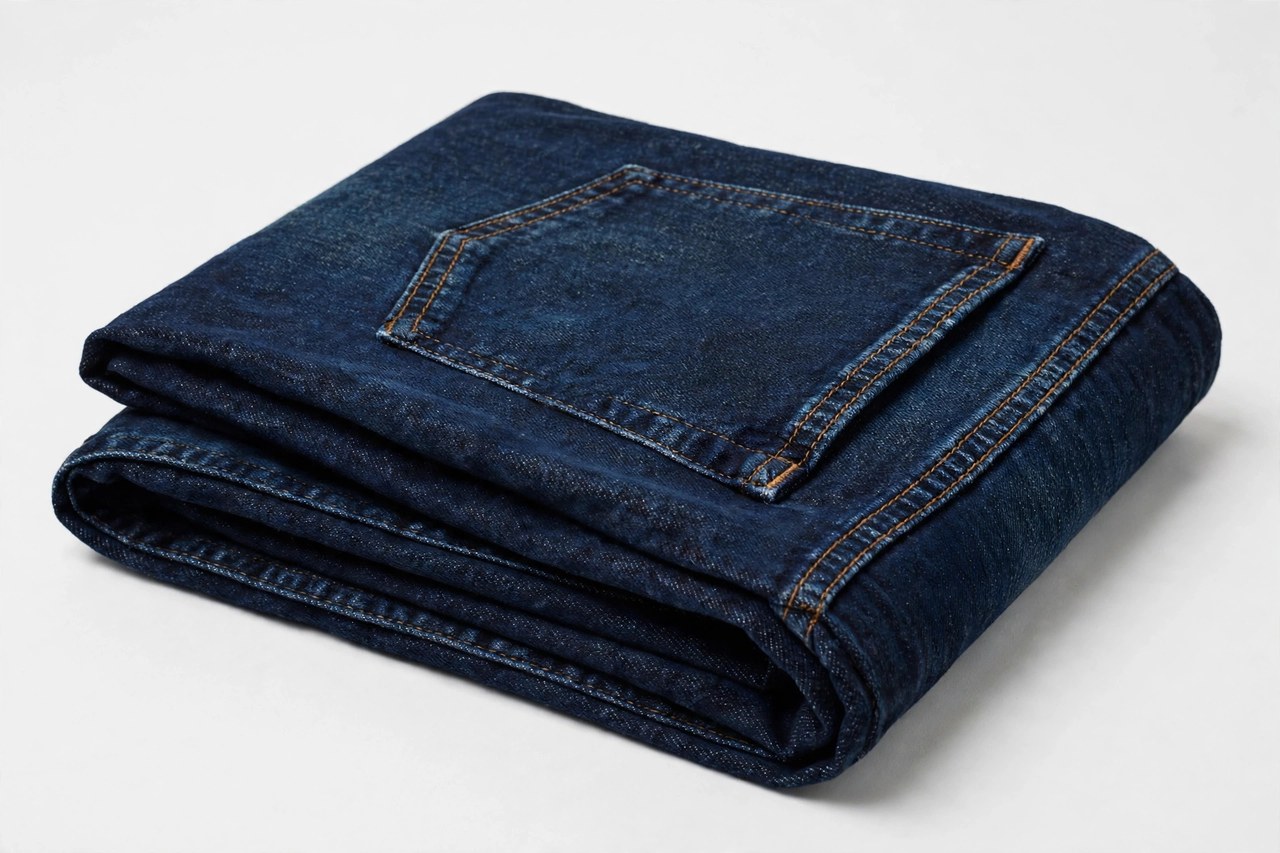
Every wardrobe has a hardest-working pair of jeans, and designer jeans are built to be exactly that pair — cut from better cloth, washed with restraint, and finished so the fit you buy is the fit you still have a year later. This page takes the general wardrobe view: what premium denim is, which fits and washes earn their place, and how construction details affect comfort and longevity. Our denim section goes deeper into denim-specific territory, with its own premium and designer pages, so think of this guide as the starting point for choosing a designer jean as part of an outfit rather than as a denim study in itself. The difference from a standard pair is rarely one dramatic feature. It is accumulation: fabric with character, a pattern graded carefully across sizes, hardware that does not fail, and stitching dense enough to survive hundreds of wears and washes.
Premium Fabrics: Selvedge, Italian Mills, and Stretch
Great jeans begin on the loom. Japanese selvedge denim, woven slowly on vintage shuttle looms, has a dense hand, a clean self-finished edge, and a texture that fades with beautiful variation over time; mills in Okayama and Kojima are the benchmark. Italian mills are prized for a different virtue — softer, more refined denim with a polished surface that dresses up easily. Weight matters: midweight cloth around twelve to fourteen ounces balances structure and comfort for most women, while lighter weights suit warm climates and heavier cloth rewards patient breaking-in. Most modern designer jeans blend a small percentage of elastane into the cotton for recovery. Judge stretch by its snap back, not its give: quality stretch denim molds without bagging at the knee or seat, and a touch of polyester in the blend can improve that rebound. Rigid, one-hundred-percent cotton pairs start stiff, then shape themselves uniquely to your body — a slower pleasure many denim lovers prefer.
Fits, Rises, and Washes That Earn Their Place
Fit is where designer pattern-making shows. Skinny and slim cuts rely on precise grading so the leg stays smooth without tourniquet tightness; straight legs offer the most versatile, enduring line; wide-leg and flare styles need careful rise and hem placement to lengthen rather than overwhelm. Rise has settled mostly at high and mid heights, which support the waist, lengthen the leg, and pair naturally with tucked shirts and cropped jackets. Try jeans seated as well as standing, and check that the waistband sits without gaping at the back — a contoured, slightly curved yoke and waistband are hallmarks of better cutting. Washes follow the same less-is-more logic at the premium end: deep, even indigo and clean black age gracefully, thoughtful hand-sanded fades placed where real wear occurs look earned, and heavy distressing dates quickly. A dark, unembellished pair is the foundation; add a vintage light wash or an ecru pair once the basics are covered.
Construction, Authenticity, and Price Logic
Turn a designer jean inside out and the quality argument finishes itself. Chain stitching at the hem creates a subtle roping effect as the jean fades and is stronger under stress; single-needle stitching, bar tacks at pocket corners, and cleanly finished seams with no loose threads signal careful making. Hidden rivets at the back pockets — a historic solution to scratching saddles and furniture — appear on heritage-minded premium pairs, while front rivets should be firmly set with correctly stamped caps. Buttons, zips, and pocketing fabric should all feel substantial. These details, plus fabric cost and smaller production runs, explain prices from roughly one hundred fifty dollars for premium contemporary labels to several hundred for Japanese-fabric and heritage designer pairs. Authenticity checks mirror the construction: verify style numbers against the label's own listings, examine back-pocket stitching signatures for correct shape and thread tone, and be wary of prices far below the normal range, thin hardware, and blurry leather or fabric patches.
Styling and Denim Care
A designer jean should work harder than anything else in the closet. Dark indigo with a blazer, silk shirt, and heeled boots reads polished enough for dinner; the same pair with a white tee and sneakers is weekend-correct. Black jeans substitute quietly for trousers, wide legs love a fitted knit tucked in, and a cropped straight leg shows off ankle boots and loafers. Keep pocket embroidery, washes, and proportions in balance with the rest of the outfit rather than letting the jean shout. Care preserves both fit and color: wash jeans infrequently, inside out, in cold water with a small amount of mild detergent, and skip the dryer in favor of line drying away from direct sun. Selvedge and rigid pairs can go longer between washes as the fades develop. Store folded or hung by the waistband, spot-clean small marks between washes, and mend small wear at the inner thigh early — a timely repair keeps a favorite pair in rotation for years.
Related Women's Guides
Photos

Looking for Women's Clothing Stores?
This guide helps you choose women's designer jeans by fit, wash and fabric. To browse where to buy, visit our women's clothing store directory, where you can find retailers that carry them.