Women's Rain Suit Guide
Jacket and pants bought as one system: rain suits for walking, motorcycling, golf and outdoor work — materials, hi-vis, fit and the two-piece advantage.
Shop Women's Rain Suits Now
Shop Women's Rain Suits on Amazon Shop Women's Rain Suits on eBayThe Amazon and eBay links on this page are affiliate links. If you make a purchase through them, Apparel Search may earn a commission.
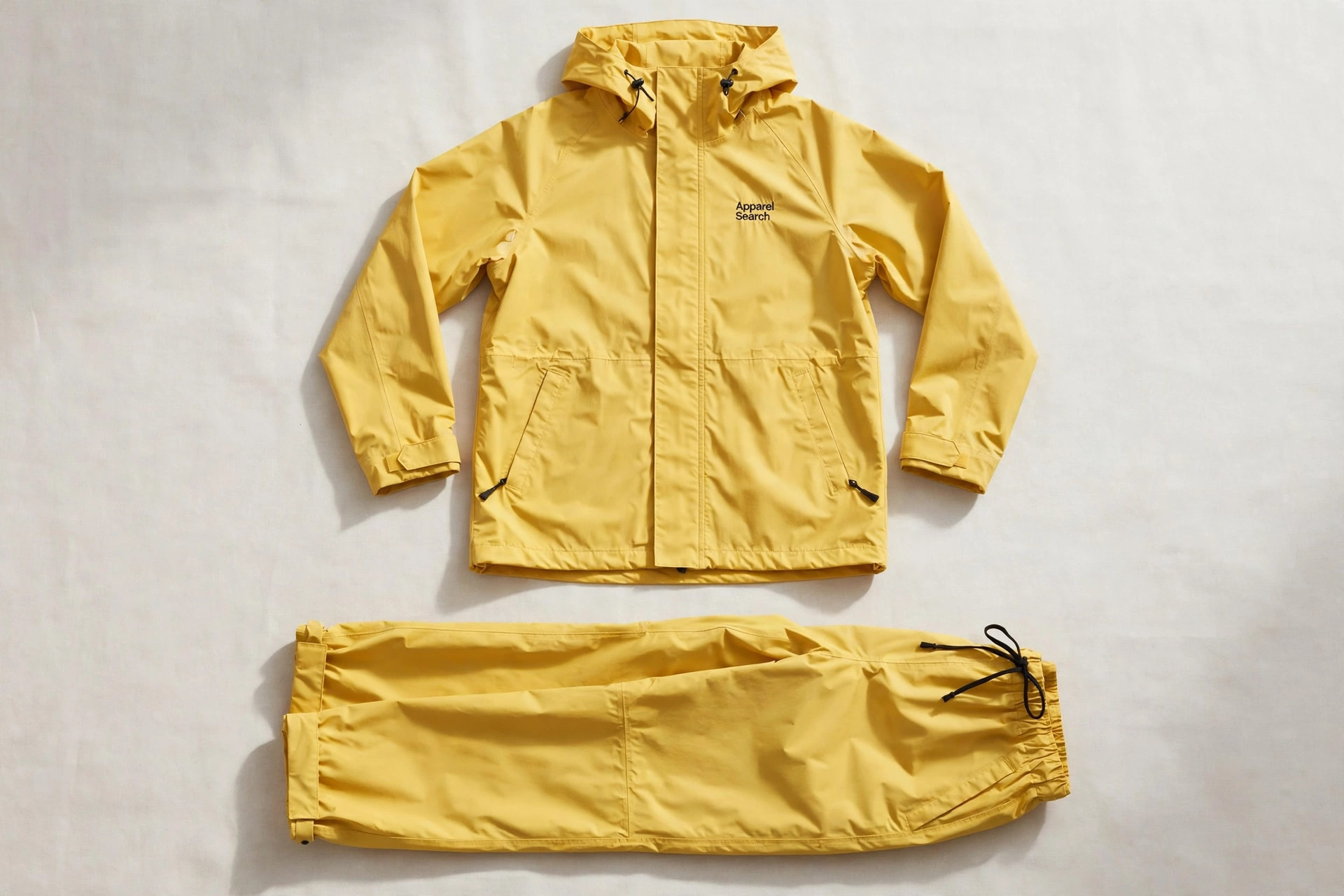
A rain suit is a waterproof jacket and trousers designed, sized and sold as one system — the jacket's hem overlaps the trousers' waist, the fabrics and seam sealing match, and the whole thing goes on as a single decision when the weather turns. Rain suits serve walkers, motorcyclists, golfers, stadium staff, farmers and anyone whose day cannot be cancelled for rain.
Buying the set has real advantages over mixing separates — guaranteed overlap, matched waterproof ratings, one purchase — and one honest drawback, which is that you cannot size the two halves separately. This guide covers the main suit types and materials, and how to size a set. Its component pieces are covered in depth in our rain pants guide and the rainwear guide.
Rain Suit Types
The walking rain suit is light and packable: a hooded jacket and overtrousers in coated or membrane fabric, sold in a stuff sack for the rucksack or car. The motorcycle rain suit is tougher and closer-fitting, with a high collar, storm flaps, elasticated cuffs that seal over gloves and boots, and often one-piece (overall) versions that eliminate the waist gap entirely at speed. Work rain suits add durability and, where the job requires it, certified hi-vis. Golf and spectator suits prioritise quiet, soft fabrics and freedom to swing or sit for hours.
One-piece suits seal best and are the motorcyclist's and angler's choice; two-piece suits vent better, size more forgivingly, and let you wear the jacket alone — for most buyers the two-piece is the practical default.
Materials and Sealing
Entry suits use PVC or PU-coated nylon: fully waterproof, inexpensive, and clammy in exertion — fine for spectating and short exposures. Mid-range suits use coated polyester with taped seams and some breathability. The best suits use laminated membranes with sealed seams throughout, adjustable hoods that move with the head, and storm-flapped zips — the price of staying dry through a full day of storm rather than a shower.
Check the details that decide real performance: seam tape everywhere including the hood, a two-way front zip under a flap, cuffs that seal over gloves, trouser legs that close over boots, and a jacket hem long enough to sit on. Hi-vis suits should state their certification class, as with the security uniforms worn on the same wet roads.
Sizing and Care
A rain suit goes over your normal clothes — and for riders, over protective gear — so size for the full load: sit, bend and reach in it before the tags come off. The waist interface is the critical zone: jacket hem must overlap the trouser waist in every position, or wind-driven rain finds the gap. Women-specific cuts exist and are worth seeking out; unisex suits sized down often fail at the hip or drown the arms.
Care mirrors the rain pants rules: rinse, dry before storing, reproof the surface finish when water stops beading, and store unrolled if you can — permanent creases in coated fabrics crack into leaks over time. A suit kept in the car boot for emergencies should be aired and checked each season; the day you need it is the wrong day to discover the seam tape has gone.
Common Questions
Is a rain suit better than separate jacket and pants?
A suit guarantees the jacket and trousers overlap and match in waterproof rating, and it's one purchase. Separates let you size and replace each piece independently and mix ratings. For a complete wet-weather system bought at once, the suit is simpler and often better value.
What is the difference between one-piece and two-piece rain suits?
One-piece suits (overalls) have no waist gap, so they seal best — favoured by motorcyclists and anglers. Two-piece suits are easier to put on, vent better, allow the jacket to be worn alone, and fit a wider range of body shapes.
How should a rain suit fit?
Roomy enough to go over your normal clothes (or riding gear) and let you sit, bend and reach without the jacket hem lifting clear of the trouser waist. Buy for the bulkiest layers you will wear under it.
More Weather & Sport Guides in This Cluster
The other guides in this wave — clothing for heat, cold, rain and the pickleball court:
More to Explore on Apparel Search
From storms to sunshine sport — finish the cluster on the pickleball court.
Next: Women's Pickleball Clothing Guide: Dresses, Skorts & Court Shoes »Looking for Women's Clothing Stores?
This guide helps you choose a rain suit that keeps you dry as a complete system. To browse where to buy, visit our womens clothing store directory, where you can find retailers that carry them.