Italy Clothing Customs
Importing apparel and textiles into Italy - the authority, the process and the preparation
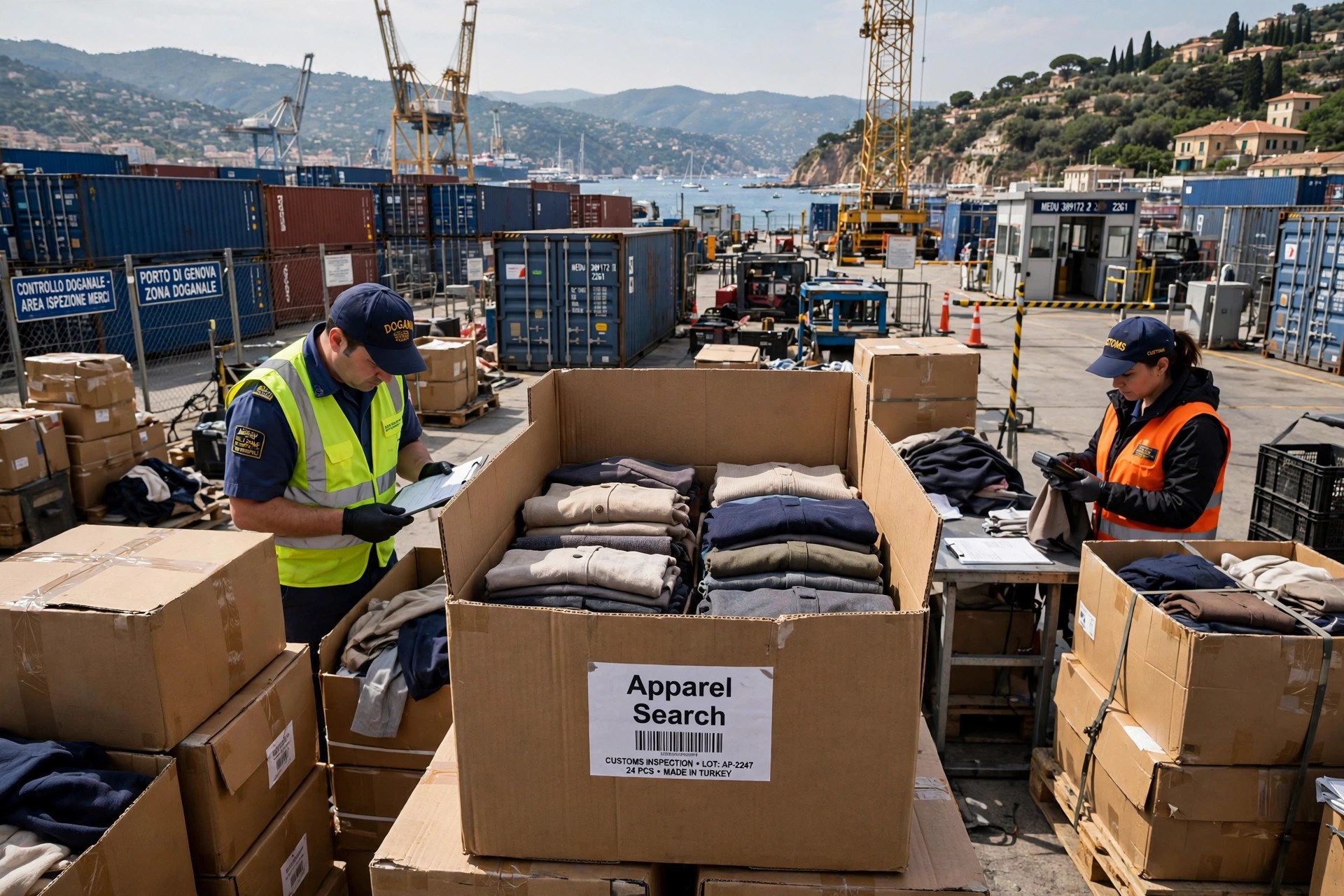
Clothing shipped into Italy is cleared by Italy's Customs Agency (Agenzia delle Dogane). For an apparel brand, importer or retailer, that authority sets the requirements the goods must meet, assesses the duties and taxes on them, and decides which consignments to examine before release. This guide explains who the authority is, what its record shows about how it works, and how a clothing shipment moves through its system.
The sensible first step is the one Italy's own customs resources recommend: contact the customs office and learn the country's current requirements for your specific goods before you ship. Duty rates and entry rules change over time; what follows describes the authority, its history and the clearance process in the terms that matter to the clothing trade.
Start Here
The Customs Authority for Italy
Italy's Customs Agency sets itself ambitious targets: simplifying relations with users, streamlining procedures, encouraging the aware and spontaneous performance of fiscal obligations, and making all interested parties aware of the important role of customs and customs policy. The Agency's institutional mission is the collection of the receipts within its jurisdiction with the smallest possible inconvenience for commercial operators - improving transparency, communication and the spread of information, and treating simpler procedures, clear information, courtesy and professionalism as the essential tools for serving citizens and the demands of commerce.
What the Record Shows
Italy is one of the world's great clothing-producing nations, so the Agency serves an industry that exports Italian garments and fabrics worldwide while importing fibres, fabrics, trims and finished apparel for its own factories and shops. That two-way flow is why the Agency's emphasis on streamlined procedures and low inconvenience for operators matters so directly to fashion businesses.
How a Clothing Shipment Is Cleared in Italy
Duties and taxes on clothing are assessed on the entry as filed: the classification of each garment line, the value declared for it, and its origin where a trade arrangement is claimed. Traders sometimes treat the entry as a formality to be completed by others; experienced importers treat it as the transaction itself, because every later question customs asks is answered from it.
Classification decides the duty treatment a garment receives, so it is settled first: the fibre content, construction and intended use of each line place it in the tariff, and the declared value on that classification is what duty and taxes are assessed against. Traders who classify and value carefully before the goods move rarely meet surprises at the border; traders who leave it to the entry itself often do.
Preparing a Clothing Shipment
Think about the border before the booking: check how your garments will be classified, what they will be valued at, and what labelling they must carry in Italy, while the answers can still change the shipment. Then file exactly what the cartons contain. Confirm current rates and rules with the customs authority or a licensed broker - this guide describes the authority and the process, not a live tariff schedule.
More Customs Guides
Common Questions
What is the mission of Italy's Customs Agency?
To collect the receipts within its jurisdiction with the smallest possible inconvenience for commercial operators - simplifying relations with users, streamlining procedures and encouraging the aware, spontaneous performance of fiscal obligations.
Why does Italian customs procedure matter so much to fashion?
Italy both exports clothing and fabrics worldwide and imports fibres, fabrics, trims and finished apparel for its factories and shops; the Customs Agency's streamlining targets are aimed at exactly that two-way commercial traffic.
What should a clothing importer prepare before shipping to Italy?
Documents that agree with each other: a precise commercial invoice, a packing list matching the cartons, and fibre content, quantities and values stated the same way on every document and label. Confirm the current requirements for your specific goods with Italy's Customs Agency (Agenzia delle Dogane) or a licensed broker before the goods leave.
References & Further Reading
More to Explore
Return to the Customs & Import Guide main page for customs information on other countries and the full import guide:
Customs & Import Guide