Organic Clothing
Clothing Definitions — definitions of garments and clothing terms from Apparel Search
Search Apparel Search
At a Glance
Definition: Organic clothing is clothing made from materials raised or grown without synthetic chemicals such as pesticides and herbicides, most commonly organic cotton.
Also known as: Green clothing; green fashion
Category: Clothing Definitions
Organic clothing is clothing made from materials that are raised or grown without the use of chemicals in the form of pesticides, herbicides or other chemicals. The word describes how the raw material was produced, and because clothing passes through many stages between field and rail, the claim needs reading stage by stage. For the broader treatment, with organic standards, the chemical-use case and the green fashion framing in full, see Organic Fashion — Fashion Terms. This page defines the term itself: what it covers, where chemicals can still enter, and how to read an organic label.
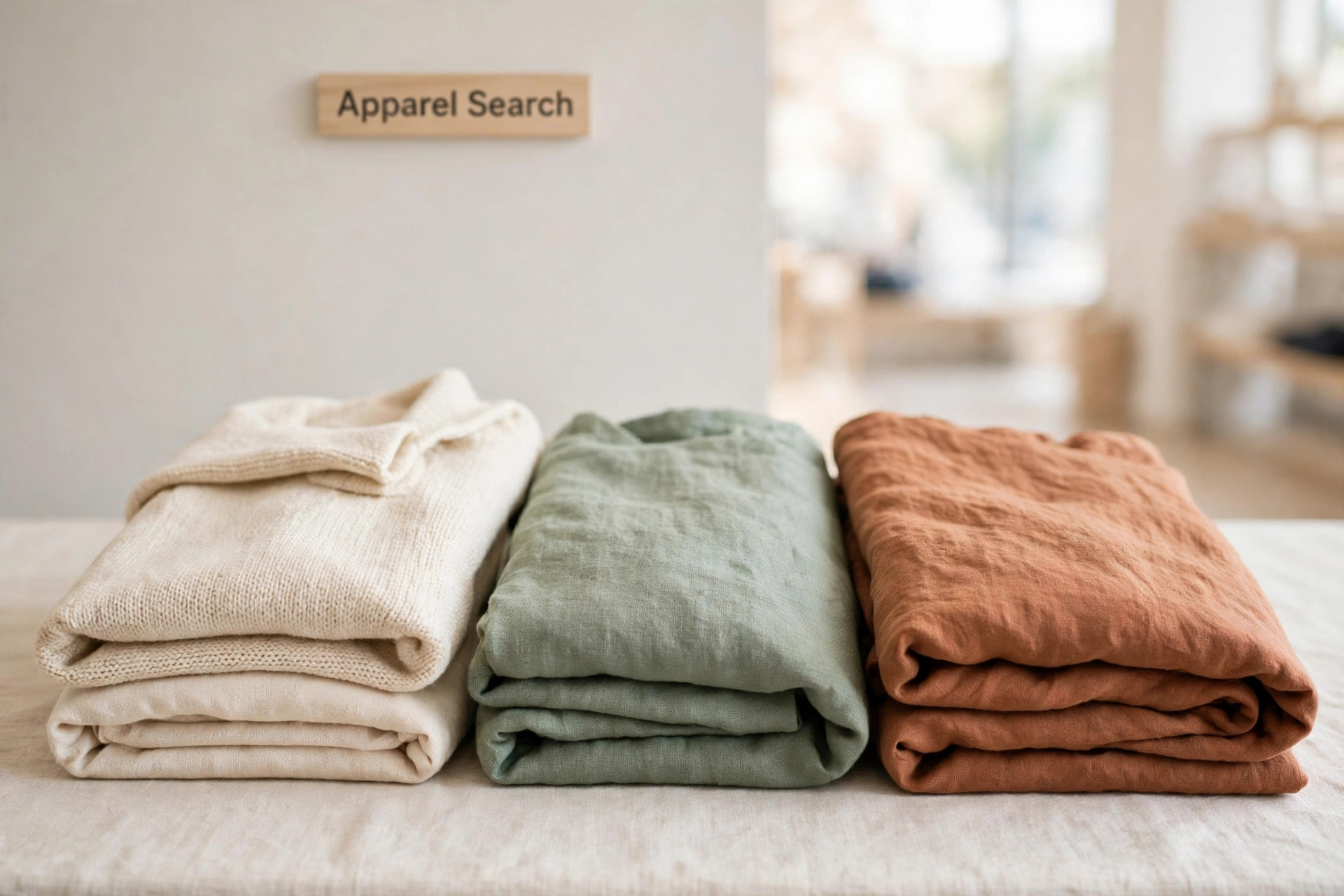
What Organic Describes: Fibre First
At the fibre stage the rules are clearest. Organic cotton, the most common organic clothing fibre, and other organic plant fibres are grown without synthetic pesticides, herbicides or fertilisers, and organic animal fibres come from animals raised without routine chemical treatments. A garment made from certified organic fibre has had that first, agricultural stage audited, and for many wearers that is the heart of the claim: no farm chemicals manufactured for the crop, and no residues entering soil and water from it.
Organic clothing is also often referred to as green clothing or green fashion, and most ranges are built on natural fibres, cotton above all, with organic linen, wool, hemp and silk at the smaller, premium end. The garments themselves are ordinary clothing, cut, sewn and finished like any others; nothing in the word organic describes a style, a fit or a level of quality, only a method of producing the material.
From Fibre to Finished Garment
The picture widens after the fibre stage, because yarn must still be woven or knitted, dyed, bleached, softened and made crease- or shrink-resistant, and each of those wet processes can be carried out with gentler chemistry or with conventional chemistry. Many retailers market organic clothing ranges whose finished garments still involve chemicals, from dyes to bleaches. A garment can therefore honestly contain certified organic fibre and still have been dyed and finished conventionally.
That gap is why labels distinguish between a garment made from organic fibre and one certified organic through every stage, fibre, fabric, dyeing, finishing and making-up, under a named standard with a certifying body behind it. The careful reading of an organic claim is: which stages does the certification cover, which standard is named, and what percentage of the garment is organic fibre at all. Authentic organic fabrics and clothing help the environment in several direct ways: manufacture of chemicals is not required, chemical residues are not entered accidentally into the environment, humans and animals are not exposed to chemicals, and when the fabric is finished without chemicals, none are returned to the earth in landfill or enter the recycling process.
Distance, Transport and Labels
Distance is the third stage. Much organic fibre is grown and made up in countries such as India and China and shipped many thousands of miles to its market, and long transport brings its own treatments and footprint, from protective treatments in transit to the fuel of the journey itself. None of that cancels the benefit of chemical-free growing, but it does mean the front-of-garment claim is the beginning of the label, not the whole of it.
Because standards and labelling rules differ between countries and change over time, the reliable check is the current government standard for the market where the clothing is sold, together with the certification named on the label. Shoppers can see how the ranges are organised in the Women's Organic Clothing Guide. In the wardrobe, organic clothing needs no special handling beyond its fibre type: organic cotton washes like cotton and wears at the same rate, and its premium price reflects lower yields and certified handling at each stage rather than different performance.
Organic Clothing and Sustainable Fashion
Organic clothing is related to, but narrower than, sustainable fashion. Organic is a claim about one thing, how the material was grown or raised. Sustainable fashion is the wider idea, taking in recycled materials, garment longevity, repair, labour conditions, packaging, transport and end-of-life as well as fibre production. A garment can be organic without being especially sustainable in those other respects, shipped by air in plastic packaging, for example, and a garment can be sustainable in several respects, recycled, repairable, locally made, without any organic fibre in it.
The two ideas overlap most where a brand certifies the fibre, makes the garment to last, and says plainly how it was produced and shipped, which is the combination the fuller Organic Fashion — Fashion Terms treatment explores. Kept distinct, the words stay useful: organic tells you about the field the clothing came from; sustainable asks about everything that happened after it left the field as well.
Common Questions
What is organic clothing?
Organic clothing is clothing made from materials raised or grown without the use of chemicals such as pesticides and herbicides. The term is also used as green clothing or green fashion, and organic cotton is the most common fibre sold under it.
Why can clothing sold as organic still involve chemicals?
The fibre may be grown without chemicals while later stages still use them: dyes, bleaches and other chemicals can enter in finishing, and further treatments may be used to aid transport over many thousands of miles from where the clothing is manufactured.
How does authentic organic clothing help the environment?
With authentic organic fabric, manufacture of farm chemicals is not required, chemical residues are not entered accidentally into the environment, people and animals are not exposed to chemicals when the fabric is finished, and chemicals are not returned to the earth in landfill or into the recycling process.