Calvin Klein
Fashion Definitions — fashion designer profiles from Apparel Search
Search Apparel Search
At a Glance
Definition: Calvin Klein, born November 19, 1942 in the Bronx, New York City, is an American fashion designer whose clothing company was launched in 1968. A protégé of Baron de Gunzburg, he was hailed as the new Yves Saint-Laurent and noted for his clean lines and straight cuts on coats and suits; his name also covers perfumes including CK One and CK Be, now owned by Coty Inc.
Category: Fashion Definitions
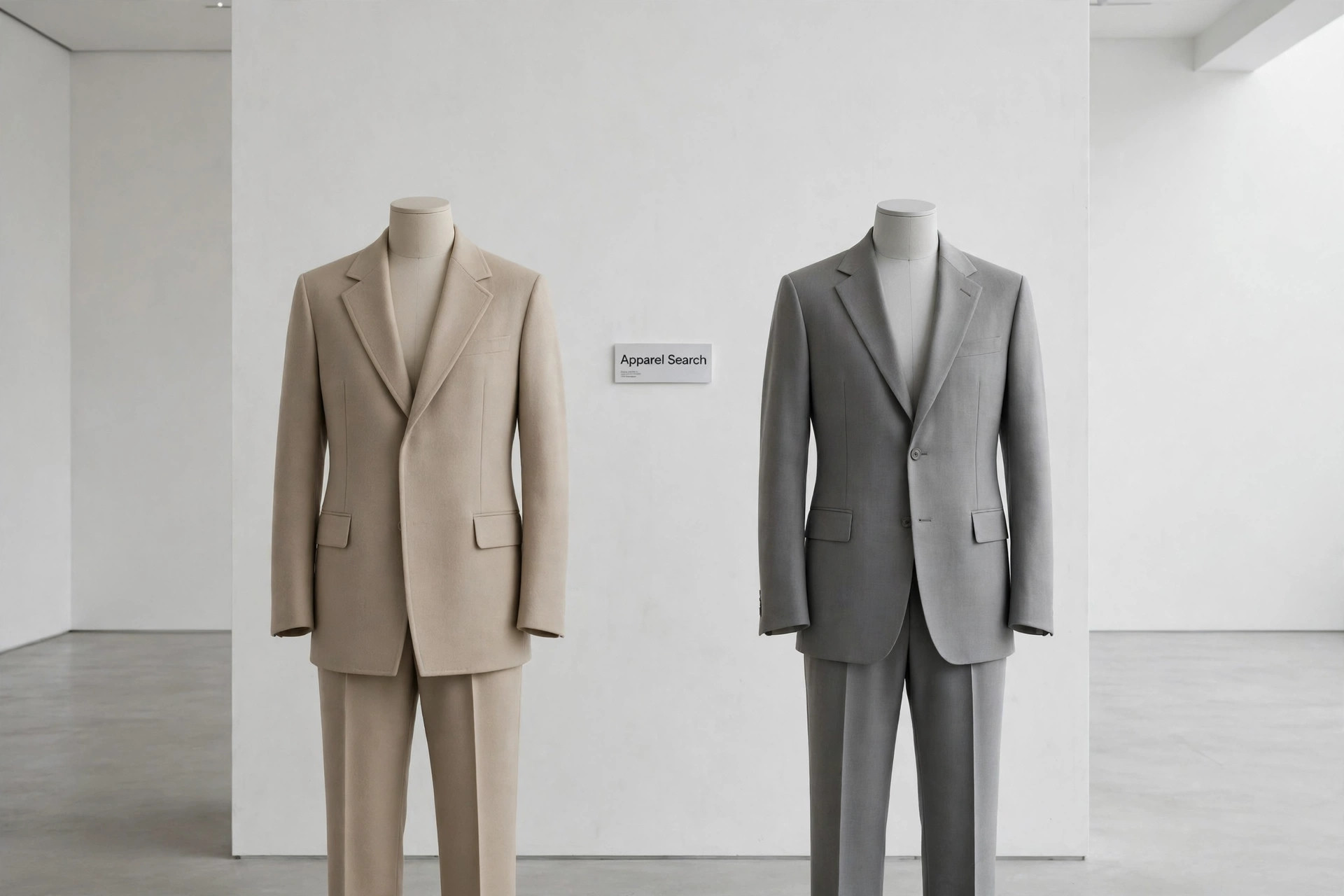
Calvin Klein’s entry pairs a design reputation with a marketing one. The design reputation came first: recognised immediately after his first major showing at New York Fashion Week, hailed as the new Yves Saint-Laurent, noted for clean lines and straight cuts on coats and suits. The marketing reputation followed — advertising so provocative, and so effective, that it became a subject in its own right.
The Bronx, the Baron and 1968
Klein was born on November 19, 1942 in the Bronx, New York City, and raised in its Jewish immigrant community. He was a protégé of Baron de Gunzburg, through whose introductions he became the toast of the New York elite fashion scene before he had his first mainstream success, which came with the launch of his first jeans line. His clothing company was launched in 1968. Speaking to Bianca Jagger and Andy Warhol for Interview magazine, not long after the Baron’s death, Klein said: “He was truly the greatest inspiration of my life… he was my mentor, I was his protégé. If you talk about a person with style and true elegance — maybe I’m being a snob, but I’ll tell you, there was no one like him.” The other protégé in this section is Bill Blass.
Advertising as a Career Engine
The Calvin Klein company, like many in the fashion industry, is known for its eye-catching advertising, and his entry is candid about the controversy: the campaigns are noted by conservative organisations for their use of seemingly underage models in pseudo-provocative poses, and the entry’s verdict is that the controversy proved successful, “to the point of making a blitz career”. The evidence offered is casting. Male underwear model Mark Wahlberg went on to fame as hip hop star Marky Mark and then into Hollywood; Antonio Sabato Jr. also owes his respectable career to the Calvin Klein advertisements. Klein himself was the victim of a pieing in 2001 at a fashion premiere at New York’s Lincoln Center — a small, strange footnote his entry preserves.
The CK One E-Mail Campaign
The 1999 advertising for CK One is described as groundbreaking in method, not just in imagery. Print advertisements displayed e-mail addresses targeted at teenagers — anna@ckone.com, nick@ckone.com — and teenagers who mailed them were placed on a mailing list that sent e-mails with vague details about the models’ lives, with fake details meant to make the characters more relatable, arriving at unpredictable intervals so readers felt they had some connection with them. The mailing lists were discontinued in 2002, but the campaign inspired similar marketing tactics for movies and other retail products: an early example of a fashion brand using the internet to manufacture intimacy with fictionalised models, a decade ahead of the social-media version of the same idea. Beyond clothing, the name covers perfumes including CK One and CK Be — fragrances for everyone, regardless of gender — now owned by Coty Inc., and watches manufactured by Swatch under the Calvin Klein brand, which it owns.
Common Questions
When was Calvin Klein born and when was his company launched?
Calvin Klein was born on November 19, 1942, in the Bronx, New York City. His clothing company was launched in 1968.
What was Calvin Klein first recognised for?
Klein was immediately recognised after his first major showing at New York Fashion Week and hailed as the new Yves Saint-Laurent, noted for his clean lines and straight cuts on coats and suits. His first mainstream success came with the launch of his first jeans line.
What was unusual about the 1999 CK One advertising campaign?
The campaign displayed e-mail addresses in print advertisements targeted at teenagers, such as anna@ckone.com. Teenagers who mailed them joined a mailing list that sent unpredictable e-mails with vague details about the models’ lives; the lists were discontinued in 2002.
More to Explore
- Bill Blass Definition — a fellow protégé of Baron de Gunzburg
- Fashion Designer Guide
- American Fashion Designers
- Yves Saint Laurent Definition
- Calvin Klein Collections
- Calvin Klein News
- Calvin Klein Runway
- Calvin Klein Fall Fashions
- Calvin Klein Spring Fashions
- Calvin Klein Fashion Week
- Calvin Klein Dresses
- Calvin Klein Menswear
- Calvin Klein Womenswear