Sole of Shoe
Miscellaneous Definitions — the bottom of the foot, and the bottom of the shoe built to protect it, from Apparel Search
Search Apparel Search
At a Glance
Definition: The sole is the bottom of the foot, and in footwear the word also refers to the bottom of a shoe — the part that lies beneath the foot's own sole and meets the ground.
Category: Miscellaneous Definitions
The sole is the bottom of the foot. Much like the palm of the hand, it has thicker skin than most other parts of the body, and is relatively less pigmented. A set of creases, formed in the womb, criss-cross the sole. In footwear, the word sole also refers to the bottom of a shoe, the part that corresponds to the foot's own sole and sits beneath it when a shoe is worn. The term therefore links the anatomy of the foot with the construction of the shoe that protects it. This page covers both soles — the living surface the body stands on, and the made underside that stands between that surface and the ground — and how the first shapes what the second must do.
The Sole of the Foot: Skin Built for Ground Contact
The word sole names first an anatomical surface: the bottom of the foot. It is the part of the body that meets the ground in standing and walking, and its skin is adapted to that work. Much like the palm of the hand, the sole has thicker skin than most other parts of the body, a toughness that protects against pressure, friction and rough surfaces during a lifetime of steps. It is also relatively less pigmented than skin elsewhere, a visible difference most people notice when comparing the underside of the foot with its top.
A set of creases, formed in the womb, criss-cross the sole. Those creases are present before the foot has borne any weight at all, and they flex as the foot bends, allowing the thick skin of the underside to move with the arch and toes rather than resisting them. Even barefoot, the sole is not passive: its thickened skin registers surface and temperature, and its creased, flexible structure works with the muscles of the foot to balance the body. Anatomy, in this case, is the original that footwear copies.
How the Foot's Sole Shapes Footwear
Because the sole is the body's own ground-contact surface, it shapes what footwear must do. A shoe that fits the upper but ignores the shape and movement of the sole will press, rub or tire the foot, since standing and walking load the body through this surface alone. The health and comfort of the sole also explain familiar footwear concerns: protection from sharp or hot ground, cushioning under the heel and the ball of the foot, and grip that keeps the underside from slipping.
That is why judging a shoe begins from the bottom. Whether the sole is intact, whether its surface still grips, whether it has worn evenly or more on one side, and whether it still protects the foot's own sole as it should — these questions decide whether the shoe can still be worn safely and comfortably, however sound its upper may look.
The correspondence runs in both directions. Footwear vocabulary borrows the body's word because the shoe is built around the body: the upper is shaped to the top of the foot, the sole is shaped to its bottom, and the two meet around the foot they enclose. A term that began as anatomy therefore became the natural name for the corresponding part of the shoe, and the definition has to hold both senses together — a reader who meets the word in a shoe description and a reader who meets it in a description of the foot are, in position and function, reading about the same surface.
The Sole of the Shoe
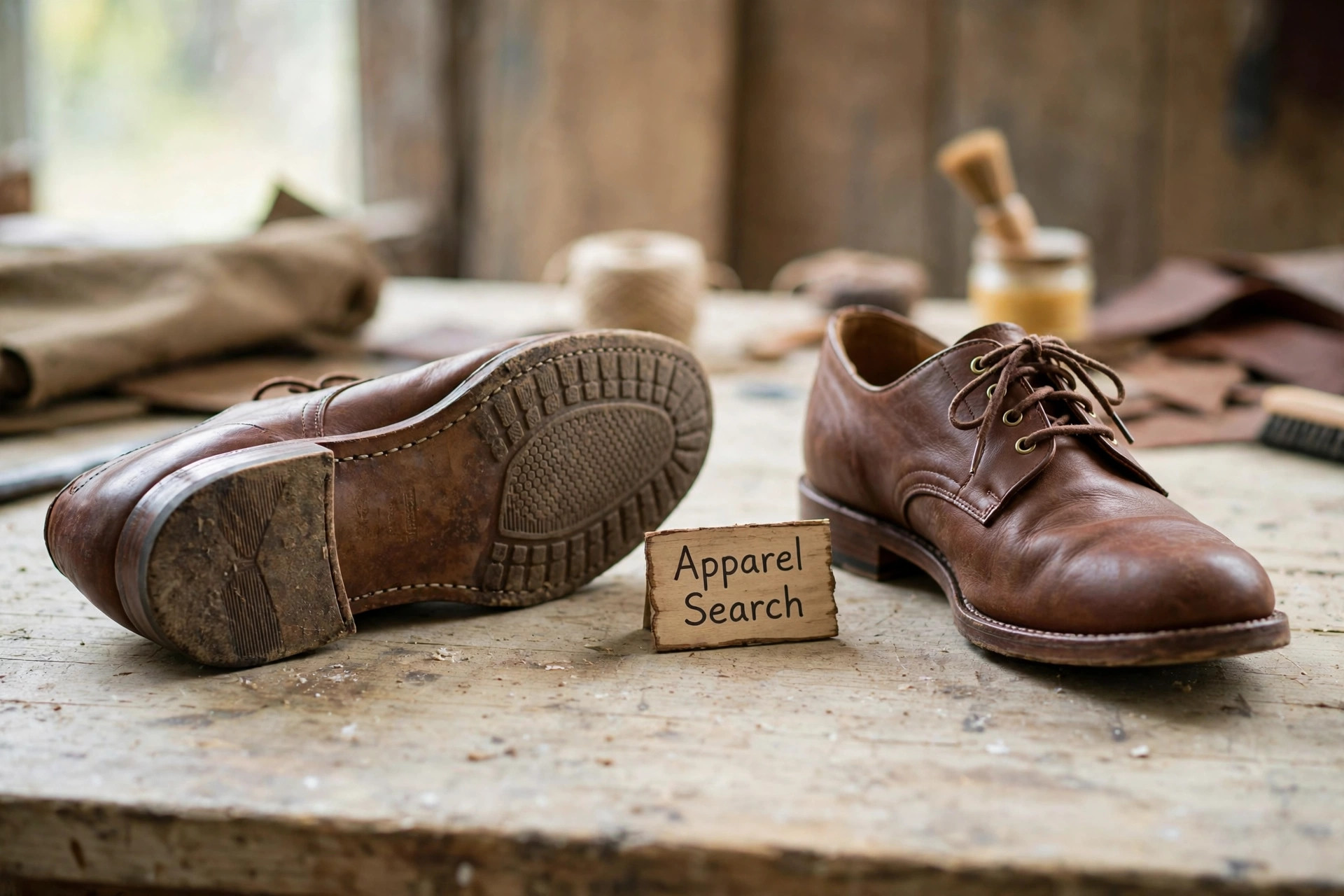
In footwear, sole also refers to the bottom of a shoe. The transfer of the word is direct: the shoe's sole occupies the same position as the foot's sole, lying beneath it, facing the ground, and taking the contact, wear and pressure that would otherwise fall on the skin itself. Together with the heel of the shoe, to which it is closely related at the back of the foot, the sole forms the underside on which the whole shoe stands. When a shoe is described, repaired or worn out, the sole is usually the part in question, because it is the first component to meet abrasion.
Different kinds of footwear use the sole differently, but none can omit it. A plimsoll, a boot, a sandal, a clog, a sneaker and an athletic shoe all rest on a sole, whether that sole is thin and flexible, thick and rigid, flat, or raised at the heel. Socks are worn inside the shoe above the sole, and laces secure the upper so the foot stays positioned over it. The double meaning of the word is a reminder of that correspondence: one sole is living skin, thickened and creased before birth; the other is the made underside of a shoe, built to stand between that skin and the ground. Learn more about shoes.
Common Questions
What is the sole?
The sole is the bottom of the foot. Much like the palm of the hand, it has thicker skin than most other parts of the body, and is relatively less pigmented.
What are the creases on the sole of the foot?
A set of creases, formed in the womb, criss-cross the sole. They are part of the surface pattern of the bottom of the foot, present before the foot has borne any weight, and they flex as the foot bends.
What does sole mean in footwear?
In footwear, sole also refers to the bottom of a shoe. It is the part of the shoe that lies under the foot, corresponding in position to the sole of the foot itself, and together with the heel it forms the underside on which the shoe stands.
Why does the sole matter when judging a shoe?
The sole is the first component to meet abrasion and the part that protects the foot's own sole, so its condition — intact, still gripping, worn evenly — decides whether a shoe can still be worn safely and comfortably.