Fashion Designers Job Data
Fashion Jobs — designer characteristics, design schools, employers, job opportunities and 2008 metro job data for historical reference
Fashion designers are regarded as the artists of the apparel industry. They conceptualize and create ideas for a variety of items such as dresses, coats, suits, hats, and more. The three major design categories are clothing, accessories and footwear. Accessories include items such as belts, hats, handbags, scarves, eyewear and hosiery. Some designers specialize in one of these categories, yet some work in all three sections. This page brings together what the work calls for, the training behind it, how designers find jobs, and metropolitan job data for the occupation.
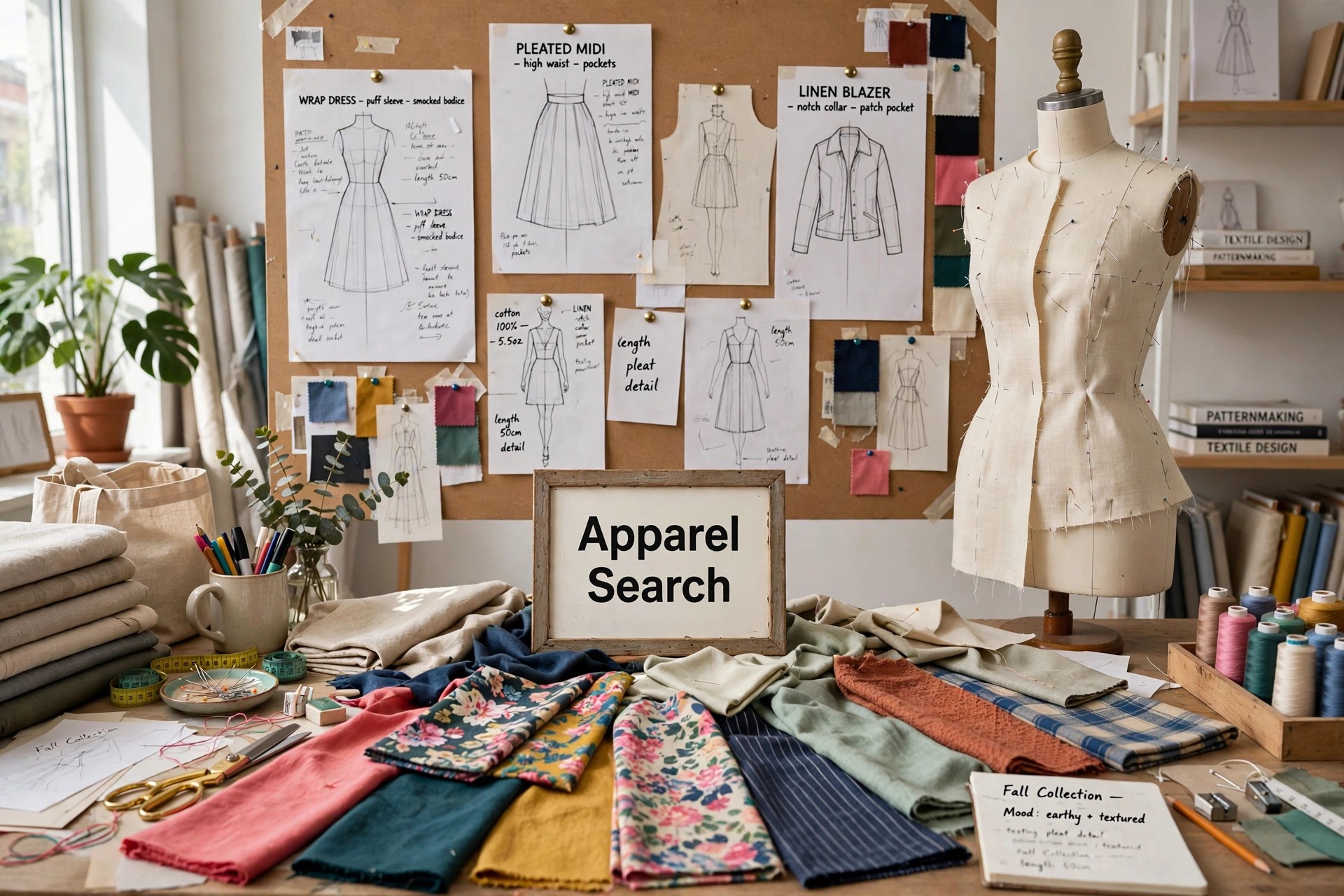
Fashion Designer Characteristics
Some of the vital characteristics for fashion designing are a good feel for color, style, texture and ornamentation. Designers must also be knowledgeable about the characteristics of various fabrics, such as their stiffness and durability. A solid understanding of fashion trends and of business and marketing is also essential in the occupation. Being able to work under pressure is important, and creativity, vision and ambition are part of being successful in the fashion industry.
Fashion Design Schools
Due to the demands of employers, it is important to select a fashion school that provides extensive training with computer-aided design software. This type of training is provided in fashion design, fine art, and art programs available at many four-year institutions and two-year technical schools. Many institutions require students to have completed one year of basic art and design courses before they may enter a fashion design bachelor's degree program.
Training is also offered at fashion design schools which provide associate degrees or certificates. These programs typically take two to three years to complete. The basic classes include textiles, colors, pattern making, sewing and tailoring, and computer aided design. Designers who completed a two-year program are prepared for designer assistant jobs.
Those new to the field typically are provided with some on-the-job training. After they gain some experience, designers have opportunities to advance into positions including pattern designer, assistant technical designer or head designer. Some professionals choose careers in merchandising and various aspects in the business part of the industry.
Acquiring a Fashion Designer Job
Schools that offer internships in the fashion industry should be given strong consideration. Internships with design and manufacturing firms provide valuable experience and networking opportunities, and often interns are offered jobs from their internship provider. Networking also may lead to a job. In addition, student and amateur contests also provide networking situations. The education level and the reputation of the design school are important, however a great portfolio is often a major factor in acquiring a job in fashion design.
The competition for jobs is expected to be strong. Apparel wholesale companies and other businesses that design apparel for mass markets are expected to provide the best opportunities for employment. Many desire to become international well-known designers, however, based on the number of star designers and the amount of people who have entered the occupation, the chances of becoming a world renowned fashion designer have been put at about 150,000 to 1.
Major Employers of Fashion Designers
The majority of fashion designers are employed by apparel manufacturers and produce designs for the mass market. Some high-end fashion designers are self-employed and design apparel for individuals, and some provide apparel for specialty shops or upscale department stores. They create original designs and also design garments that adhere to the latest trends in fashion.
Job Opportunities
Design training can lead toward a range of roles across the industry, including:
- Lead Designer: Oversees the development of products
- Merchandiser: Maximizes sales
- Sourcer: Finds raw materials
- Technical Designers: Ensure quality and the stability of production of products
- Stylist: Organizes accessories with apparel for fashion shows and photo-shoots
- Marketer: Promotes products
- Textile Specialists: Improves fabric
- Costume Designer: Designs outfits for theater, movies and television
- Fashion writer: reviews trends, styles and fashion shows for magazines and newspapers
Popular Fashion Design Schools
- Fashion Institute of Technology
- Parsons The New School for Design
- Art Institute of New York
- Westwood College
- Academy of Art University
- Art Institute of California
- Keiser University
- Miami International University of Art & Design
- Wood Tobe-Cobern School
- International Academy of Design and Technology
- Lehigh Valley College
Job Data for Fashion Designers 2008 (for historical reference)
Job data for fashion designers, by metropolitan area. A Job Popularity rating of 1.0 means the metropolitan area has a typical number of these jobs for its population. A higher or lower rating indicates relatively more or fewer jobs of the type in that metro area. Data is as of 2008.
| State | Metropolitan Area | Job Popularity | Number of Workers | Median Wage |
|---|---|---|---|---|
| California | Oakland | 1.2 | 110 | $76,000 |
| California | Riverside | 0.9 | 110 | $52,000 |
| California | San Francisco | 3.4 | 310 | $80,000 |
| California | San Jose | 0.8 | 70 | $62,000 |
| California | Santa Ana | 2.8 | 390 | $70,000 |
| Colorado | Denver | 0.4 | 50 | $64,000 |
| Florida | Orlando | 1.6 | 150 | $58,000 |
| Florida | Tampa | 1 | 110 | $43,000 |
| Florida | West Palm Beach | 0.6 | 30 | $81,000 |
| Maine | Portland | 3.3 | 60 | $82,000 |
| Massachusetts | Boston | 0.8 | 130 | $51,000 |
| Massachusetts | Framingham | 2.1 | 30 | $58,000 |
| Minnesota | Minneapolis | 0.6 | 100 | $52,000 |
| Missouri | Kansas City | 0.7 | 70 | — |
| Nevada | Las Vegas | 0.8 | 70 | $49,000 |
| New York | Nassau | 1.6 | 190 | $87,000 |
| New York | New York | 15.1 | 7,140 | $80,000 |
| Ohio | Columbus | 4.9 | 420 | $58,000 |
| Pennsylvania | Allentown | 2 | 60 | $65,000 |
| Pennsylvania | Philadelphia | 0.8 | 140 | $49,000 |
| Texas | Dallas | 0.4 | 80 | $52,000 |
| Washington | Seattle | 0.8 | 100 | $72,000 |
This fashion designer schools & employment data is used with permission from CityTownInfo.com, where you can also find extensive career & college search resources.
Common Questions
What does the 2008 Job Popularity rating mean?
A Job Popularity rating of 1.0 means the metropolitan area has a typical number of fashion designer jobs for its population. A higher rating indicates relatively more jobs of this type in that metro area, and a lower rating relatively fewer. The ratings, worker counts and median wages in the table are data as of 2008, kept for historical reference — they do not describe today's wages or openings.
What training do fashion designers need?
Employers expect extensive training with computer-aided design (CAD) software, provided in fashion design, fine art and art programs at four-year institutions and two-year technical schools. Basic classes include textiles, colors, pattern making, sewing and tailoring, and computer-aided design. Two-year programs offering associate degrees or certificates typically take two to three years, and their graduates are prepared for designer assistant jobs.
What most improves a fashion designer's job chances?
A great portfolio is often a major factor in acquiring a job in fashion design, alongside the education level and reputation of the design school. Internships with design and manufacturing firms are also strongly worth considering: they provide valuable experience and networking opportunities, and interns are often offered jobs by their internship provider.