Women's Footwear Sales Job Description
Selling women's shoes as a range — size runs, fit, seasonal styles and the replenishment basics every shoe department lives on
Women's footwear sales is the selling specialism for shoes: presenting and selling women's shoe ranges — fashion styles, comfort lines, boots, sandals, athletic and occasion footwear — to the buyers of shoe stores, department store footwear departments and chains. Footwear looks like apparel from a distance and behaves differently up close. Shoes are sold in size runs rather than size ratios on a rail, fit is judged in millimetres and widths as well as lengths, and a large share of the business is replenishment of proven core styles rather than seasonal novelty. The footwear salesperson's craft is built on those mechanics.
More Sales & Selling Job Descriptions by Letter:
The Range: Fashion Styles and Core Lines
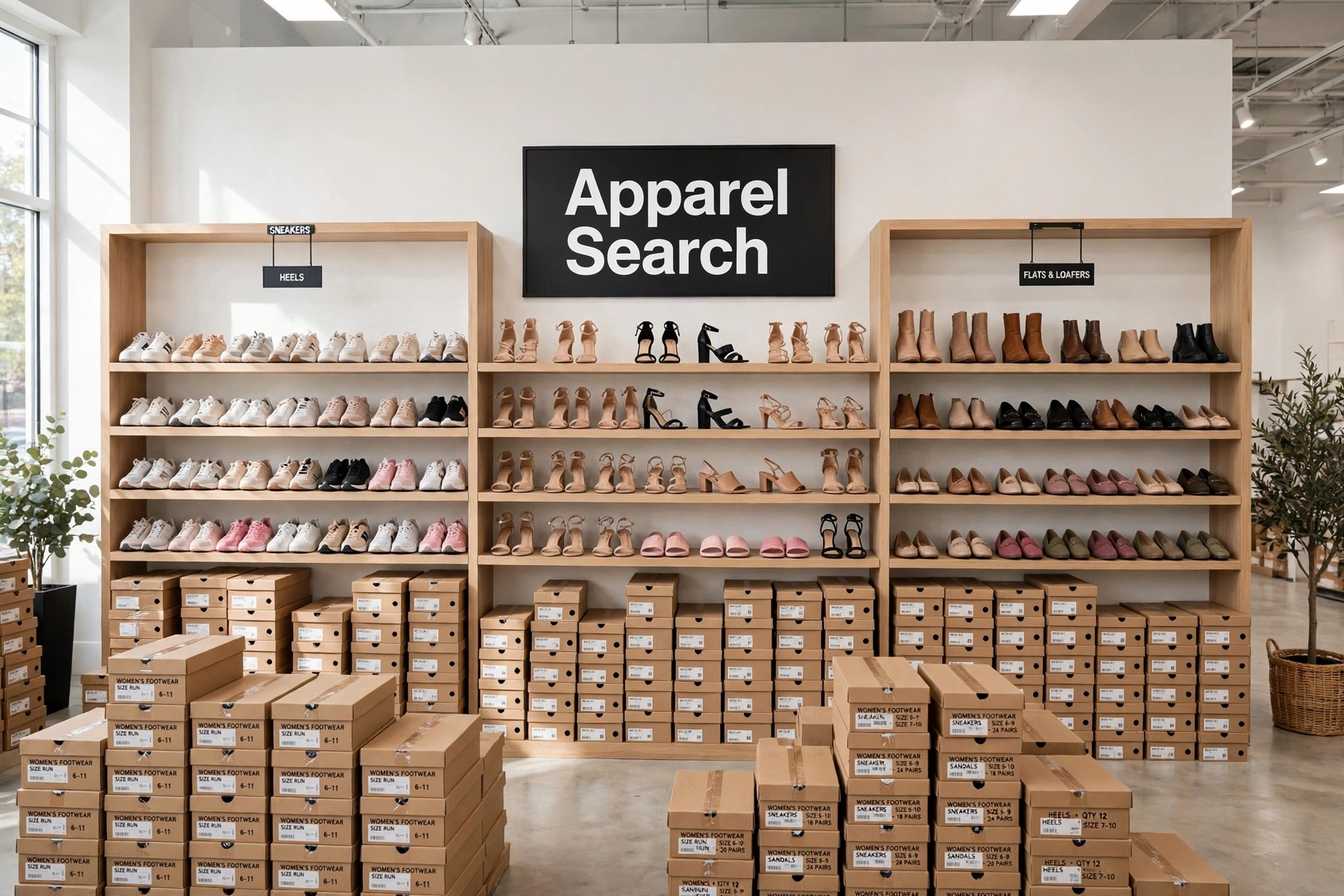
A women's footwear range is two businesses sharing a catalogue. The fashion business follows the apparel calendar: seasonal styles in the season's materials and colours — boots and closed shoes for autumn, sandals and open styles for spring and summer, occasion and party styles for the holiday peak — bought in depth for a short selling life. The core business never goes away: black pumps, everyday comfort shoes, walking and athletic staples, work shoes and classic loafers that reorder month after month, year after year. The salesperson presents both honestly, because a buyer burned by fashion depth they could not sell will not trust the same seller's core recommendations, and the core lines are where the account's steady margin lives.
Presenting shoes is a physical craft. Samples are shown by story and price tier, tried against the buyer's own range plan, and discussed in the vocabulary of construction: last shape, heel height and pitch, sole material, lining, cushioning and width fittings. Comfort technology — arch support, padded insoles, flexible soles — is a genuine selling point in the largest part of the market, and the salesperson who can explain why one construction walks better than another, in plain terms a buyer can repeat to their own customers, sells more than the one reciting style names.
Size Runs, Widths and Fit
Every footwear order is a size run: a spread of quantities across lengths, usually with width options in the styles that offer them, weighted to the middle sizes where most demand sits and thinned carefully at the extremes. Building that spread with each account — from its own sales history, not a national template — is the salesperson's central arithmetic, because a run misjudged at either end strands stock that cannot be rebalanced: a store cannot sell a size 5 customer a size 9. Half sizes, wide and narrow fittings and extended size ranges multiply the combinations, and minimums per style and colour discipline how broad an order can sensibly run.
Fit knowledge backs the arithmetic. The salesperson understands how a brand's lasts run — generous, true, narrow — which styles suit wide feet or high insteps, and how materials behave: leather giving with wear, synthetics holding their shape, lined boots fitting smaller than their unlined equivalents. Buyers rely on that guidance when committing to a new supplier's range, and fitting complaints in store travel back fast; a salesperson whose fit advice proves accurate becomes the buyer's first call, which is the real competitive asset in a category where several brands chase the same shelf space.
Seasons, Deliveries and Replenishment
Footwear seasons are earlier and harder-edged than apparel's. Boots must land before the weather turns, sandals before the first warm spell, and a late delivery misses the selling window the order was priced for, so the salesperson sells delivery dates with unusual firmness and keeps accounts informed the moment production or freight slips. Weather itself is a trading variable no other category feels as sharply: a cold snap sells boots in October, a mild winter strands them, and in-season conversations between salesperson and buyer are full of that shared reality and the markdown or reorder decisions it forces.
Replenishment is the role's rhythm between seasons. Core styles are monitored style by style and size by size; the salesperson flags sizes about to break in a key account's stock, arranges top-up orders inside the supplier's stock programme, and protects continuity — a proven style dropped or respecified without warning breaks a store's best-selling line, and managing those transitions, with an alternative ready, is part of the service. Display and fitting support — stands, imagery, staff fit training in larger accounts — completes the in-season work that keeps the range selling through.
Skills, Qualifications and Career Path
Employers look for selling experience in footwear or a closely fitted category, and they test the specific literacy: size-run construction, width fittings, last and construction vocabulary, and the replenishment mindset. Many specialists start on the retail side in shoe departments, where fitting real customers teaches in months what no catalogue can, then move to wholesale territories; others arrive from apparel sales and are retrained, usually keeping their accounts only once their size-run work proves reliable. Numeracy is not optional — this is a category run on spreads, rates of sale and size-level stock.
Careers grow along the category's own ladder: larger footwear territories and chain accounts, footwear sales management, or into buying and range planning for shoe retailers, where size-run experience is the exact qualification. The women's specialism also neighbours the broader footwear trade — men's and children's shoes are often sold by the same companies through different specialists — and experienced women's footwear salespeople are valued precisely because the category's mechanics, once learned, transfer across every department a shoe business runs.
Common Questions
What does a women's footwear salesperson sell?
Women's shoe ranges — seasonal fashion styles plus year-round core lines such as pumps, comfort shoes and boots — sold to shoe stores, department footwear departments and chains, with every order built as a size run across lengths and, where offered, widths.
Why are size runs so important in footwear sales?
Because a shoe only sells in the customer's exact size and width. Orders spread quantities across the whole run, weighted by the account's own size history; a misjudged spread strands stock at the extremes that no other customer can buy, so building runs accurately is the salesperson's core skill.
How is footwear sales different from apparel sales?
Shoes are engineered for fit in lengths and widths, sold in size runs rather than garment size ratios, and driven far more by replenishment of proven core styles. Seasons are earlier and weather-sensitive, and construction knowledge — lasts, heels, soles, comfort features — replaces fabric as the main product vocabulary.