Window Design for Clothing Stores
The elements of a store window that turns passersby into customers.
Clothing stores around the world have long used eye-catching window displays to attract customers and entice them to come inside and browse. Window design has become an art form, and the creative ways in which stores showcase their merchandise can have a huge impact on a store's success. From the simplest of window displays to more elaborate and intricate designs, each store offers its own unique style and visual appeal.
Start with the vocabulary: What is a fashion window? in the fashion terms section. The craft is a profession as well as an art — see the Window Dressers Job Description and the Visual Merchandiser Job Description for the roles behind the glass.
Design for the Audience First
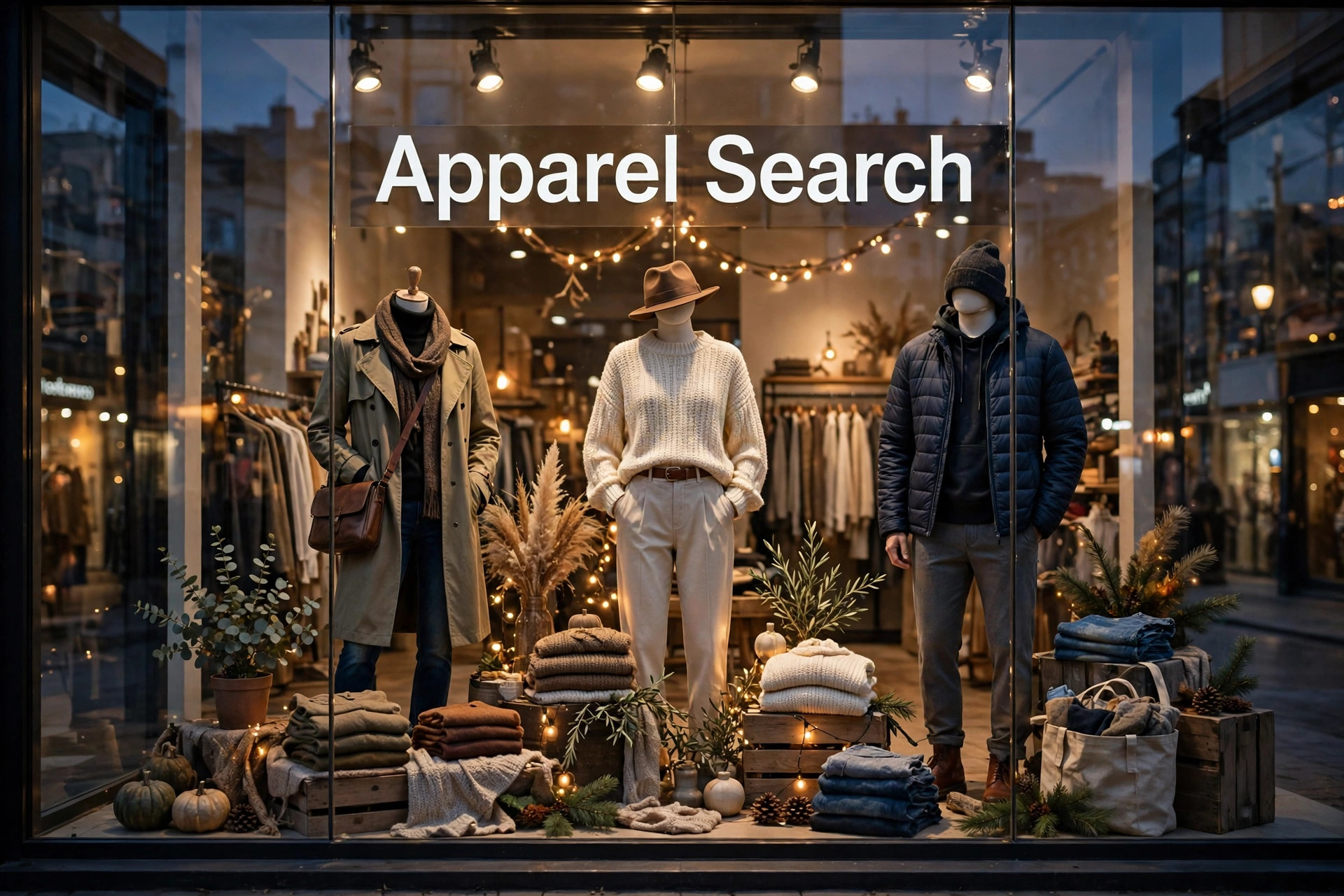
The most important factor in creating successful window displays is a store's understanding of its target audience. Stores should tailor their window designs to the types of customers they want to attract, as well as the type of merchandise they sell. For example, a store that sells high-end formal wear would likely create a more sophisticated and elegant window display than a store that sells casual clothing. The right window design can make a big difference in how a store appears to its customers and may even affect their decision to enter the store.
The Elements of a Window
When it comes to clothing store window design, the possibilities are endless. Stores can use a variety of elements to create an effective window display, including mannequins, props, lighting, signage, and more. Mannequins are one of the most popular options, as they provide a three-dimensional view of the merchandise and can be dressed in different outfits to create a dynamic display. Props such as furniture and decorations can also help to create a unique visual appeal, while strategically placed lighting can help to highlight certain items and draw attention to the display. Finally, signage is a great way to communicate a store's aesthetic and inform customers about products and promotions.
No matter what type of clothing store a business runs, the window display is an important part of the overall store experience. By taking the time to create an engaging and inviting window design, stores can attract more customers and showcase their merchandise in a creative and dynamic way. The window also works as part of a package with the store's other presentation: if you are searching for hang tags, garment labels, price tickets or hangers to complete it, visit the clothing components and trimming section.
Common Questions
What is the most important factor in window design?
A store's understanding of its target audience. Stores should tailor window designs to the types of customers they want to attract and the merchandise they sell — a store selling high-end formal wear will create a more sophisticated, elegant display than one selling casual clothing.
What elements make an effective window display?
Mannequins, props, lighting and signage. Mannequins give a three-dimensional view of the merchandise dressed in complete outfits; props such as furniture and decorations build a scene; strategically placed lighting highlights key items; and signage communicates the store's aesthetic and its products and promotions.
Who designs store windows as a job?
Window dressers and visual merchandisers. Their job descriptions, linked on this page, cover the display work — dressing mannequins, building sets and rotating displays — that turns a window into a store's hardest-working advertisement.