Lilly Pulitzer Spring Fashions
Spring at its lightest — the signatures with their layers shed.
Spring is where a designer's philosophy breathes easiest, and the spring collections of Lilly Pulitzer show the signatures with their layers shed: bright, colorful floral and tropical prints — printed shift dresses, resort tunics and cheerful separates in pink, green, turquoise and yellow, in lighter cloth and brighter color. The construction shows plainly in spring — there is less fabric to hide behind — and these collections have always treated that exposure as an opportunity rather than a risk. This page files the spring strand of the record in this guide.
The Photos section gathers spring looks across the collections, and the search routes in the references run Lilly Pulitzer spring fashion news, photo and video searches. Pair this page with the fall fashions page for the signatures at autumn weight, and with the collections page for both seasons filed together. The designer's official website is linked in the references.
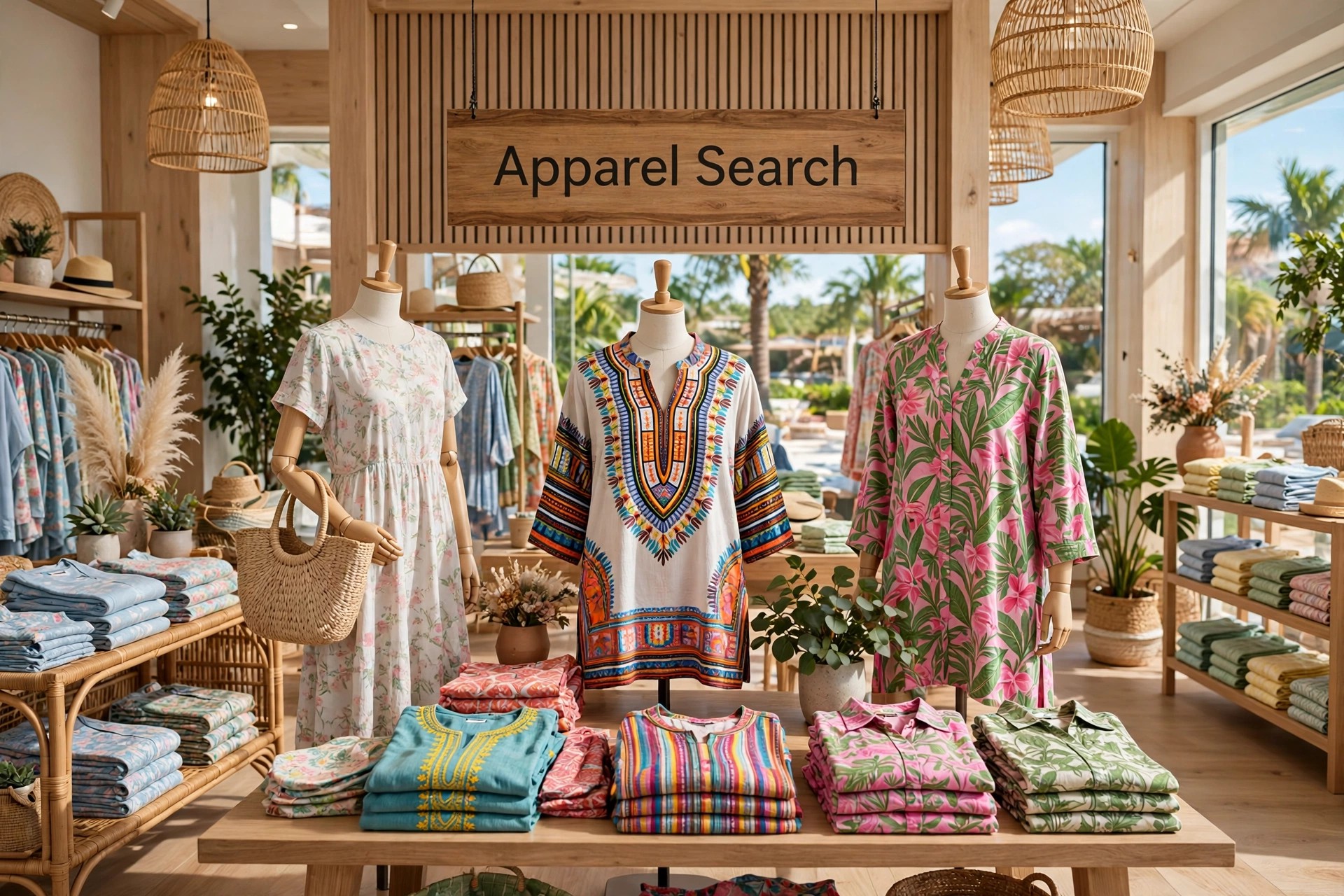
Illustrative image created for this guide — an artistic impression, not this designer's own garments.
News, Photos & VideoCollectionsFall FashionsFashion WeekNewsProfilesRunwaySpring Fashions
The Spring Register
Every house has a season that flatters it, and spring flatters a designer of ease and movement. The signatures hold — the garments the designer is known for reappear in lighter fabrics — but the register changes: less structure visible, more movement, the palette of pink and green above all — tropical brights, citrus yellow and turquoise printed on white grounds brightened by the season. Spring is also where the wider world of the house shows most naturally: the accessories that complete a look sit at hand and neck height, unwrapped from coats, and the season's dressing is finished in the open air rather than under layers.
Construction is the spring story's quiet half. Light garments leave nowhere for careless detail to hide: a soft shoulder, a hem, a closure chosen without thought shows immediately. Spring collections that finish every look completely are demonstrating discipline — print as camouflage turned to celebration — bold floral patterns carried on simple, comfortable shapes made for a resort day — and the imagery gathered here, spanning the spring collections across the years, lets a reader watch that discipline hold season after season.
Spring on the Calendar
The spring collections arrive through the calendar the fashion week page in this series covers: presented in New York, reviewed on the news page, photographed on the runway page, and filed here. Filed against the fall strand, the spring pages complete the proof of the designer's central claim — that the signatures are a philosophy, not a fabric weight, and that they hold in any season. Read with the runway page for the spring shows in sequence.
The profiles page supplies the life behind the lightness: Lillian Pulitzer Rousseau, better known as Lilly Pulitzer, was born on November 10, 1931. In Palm Beach she ran a juice stand selling citrus from her husband Peter Pulitzer's groves, and had simple shift dresses made in bright printed cotton so the juice stains would not show; customers wanted the dresses as much as the juice, Jacqueline Kennedy was photographed wearing one, and Lilly Pulitzer, Inc. — founded in 1959 — grew from that printed shift into a complete resort wardrobe. She died on April 7, 2013. With this page the seasonal record in this series is complete — the two registers of one achievement, each filed in its own place.
Photos


Common Questions
What characterizes Lilly Pulitzer spring fashions?
The designer's signatures at their lightest: bright, colorful floral and tropical prints — printed shift dresses, resort tunics and cheerful separates in pink, green, turquoise and yellow, carried into lighter cloth, brighter color and simpler layering.
How does spring differ from fall in this record?
Spring lightens everything — fabric, layering and mood. The fall fashions page in this series shows the same signatures at full weight; the collections page holds the shared view of both seasons.
When are the Lilly Pulitzer spring collections presented?
On the New York calendar covered by the fashion week page in this series, months ahead of the spring they dress — and filed here once the coverage settles.
More to Explore
References & Further Reading
- Fashion Week Photos
- Lilly Pulitzer Spring Fashion Search
- Lilly Pulitzer Spring Fashion News
- Lilly Pulitzer Spring Fashion Photos
- Lilly Pulitzer Spring Fashion Videos
- Lilly Pulitzer Spring Fashion
- Lilly Pulitzer Spring Fashion News
- Lilly Pulitzer Spring Fashion Images
- Lilly Pulitzer Spring Fashion Video
- official Lilly Pulitzer website