Apparel Search Consumer Guides
Marathon Race Day Clothing Guide
What to wear for 26.2 miles: the nothing-new rule, throwaway layers for the start corral, dressing for the forecast at the finish, and warm clothes waiting after it.
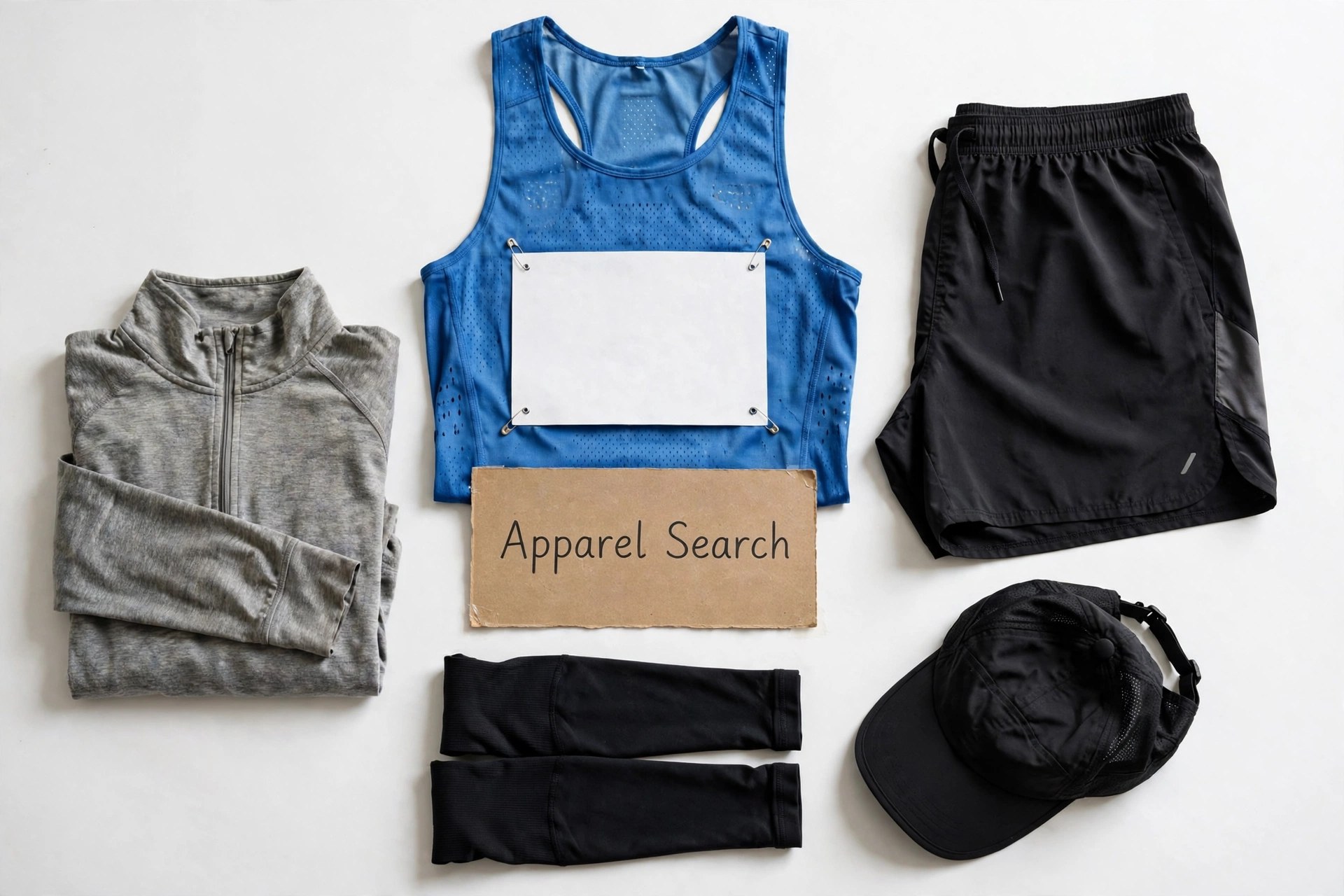
A marathon is 26.2 miles — long enough for the weather to change, for a small rub to become a big one, and for every clothing decision to be tested thousands of times. Race-day dressing is ordinary running dressing with the planning turned up: the same wardrobe from our Running Apparel Guide, chosen by stricter rules. This guide covers those rules, from the night-before layout to the warm clothes after the finish.
The First Rule: Nothing New on Race Day
Every item worn on race day — singlet, shorts, socks, underwear, hat — should have been worn in training, ideally on a long run. New garments carry unknown seams, unknown fits and unknown behavior at mile 18. Lay the complete outfit out the night before, pin the number to the top you will race in (or thread a race belt), and the morning becomes simple. If you are choosing the outfit from scratch, the pieces themselves are covered in the tops and layers guide and the shorts and bottoms guide.
The Start Corral Problem — and Throwaway Layers
Races start early and ask you to stand still in the cold before them, then run warm for hours. The standard solution is the throwaway layer: an old sweatshirt, fleece or long-sleeve tee — bought for pennies at a thrift store if you have nothing suitable — worn over your race kit in the corral and removed and discarded at or just after the start line. Most big races collect discarded clothing along the early course and donate it. Cheap gloves and an old hat play the same role and can be dropped at an aid station once you warm up. Plan the throwaway outfit as deliberately as the racing one: it is what you will stand in for an hour.
- The night before: check the forecast for the finish time, not the start, and lay out the race kit, the throwaway layer and the finish bag together.
- Race morning: dress in the race kit, then the throwaway layer over it. Pin the bib to the racing top underneath — or wear it on a belt — so the number survives the discard.
- In the corral: stay in the throwaway layer until the last practical moment. Discard it to the side of the course, never underfoot.
- During the race: adjust early — unzip, push sleeves, remove gloves — before you overheat. Arm sleeves and gloves are the mid-race adjustments that fit in a pocket or waistband.
- At the finish: get into dry, warm clothes as soon as you can. Your body stops generating race heat within minutes, and a sweaty kit in finish-line air gets cold fast.
Dressing for a Moving Forecast
A marathon spans hours, so dress for the conditions at the miles that matter most — usually the warmer later ones — and let the throwaway layer and patience handle the cold start. The band system in what to wear running by temperature applies, read at the temperature you will reach mid-race. Rain on race day means the shell decisions move up a level: a light water-resistant jacket or vest over the singlet, a cap to keep rain off your face, and no cotton anywhere near the course. For shoe-side planning, the cushioned running shoes guide and the men's and women's running shoe guides cover the footwear half, with fit fundamentals in the shoe fit guide.
The Finish Bag Is Part of the Outfit
What goes into the gear-check bag matters as much as what you race in: a complete dry change — top, bottoms, socks and underwear — plus a warm layer and a hat. Putting on dry clothes after 26.2 miles is one of the best feelings in the sport, and it is entirely arranged the night before.
Shop Race Day Clothing on Amazon
Ready to shop? Product links are kept in one place on the Apparel Search shopping guide:
Shop Running Clothing on AmazonRace singlets, arm sleeves, running belts, gloves and caps are all standard Amazon categories — and all things to buy early enough to train in.
Common Questions
What do I do with clothing I discard during a race?
At most large races, clothing discarded at the start and along the early course is collected by volunteers and donated — it is a normal, expected part of marathon culture. Discard to the side of the road, never in the path of other runners.
Should I wear my race outfit for the whole training cycle?
Not every run — but the exact kit should be tested on at least one or two long runs, including the socks, underwear and any belt or hat. The long run is the dress rehearsal; race day is not the place to test anything.
Is it better to be overdressed or underdressed at the start?
Underdressed in the racing kit, warm in the throwaway layer. You will warm up within the first miles, and anything extra you are still wearing at mile 10 has to be carried, tied or dropped. Start-line patience plus a discardable layer beats racing in too much.
What changes for a half marathon or a 10K?
The rules relax with distance. Shorter races spend less time in changing weather and give small discomforts less time to grow, so ordinary training clothes chosen by the temperature bands are fine. The throwaway layer is still worth it for an early, cold start.
The Running Apparel Guide
The full wardrobe system — fabrics, tops, bottoms, accessories and shoes — in one place.
Related Guides
 What to Wear Running by TemperatureRead the bands at your mid-race temperature.
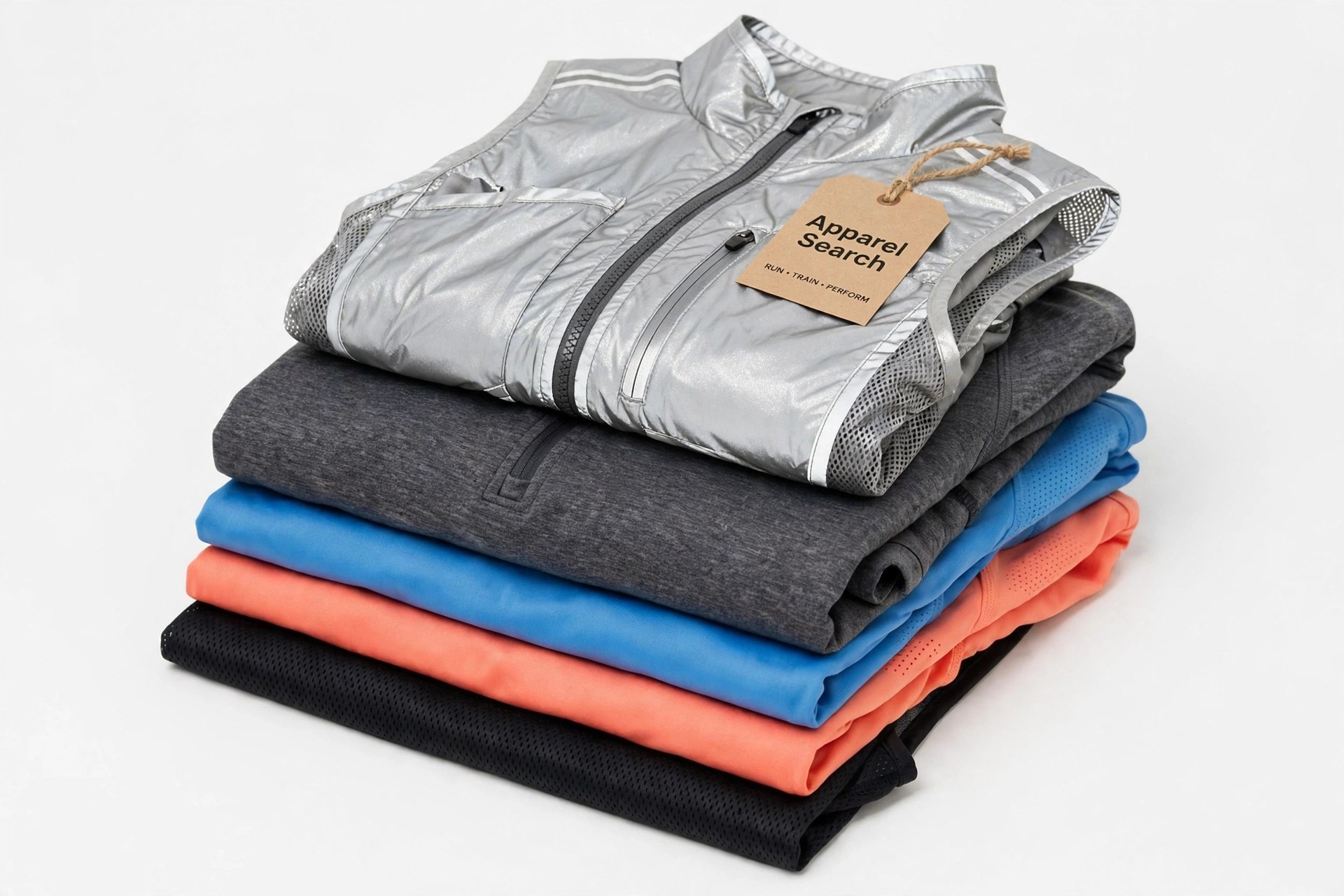 Running Tops & LayersThe singlet, the shell and everything between.
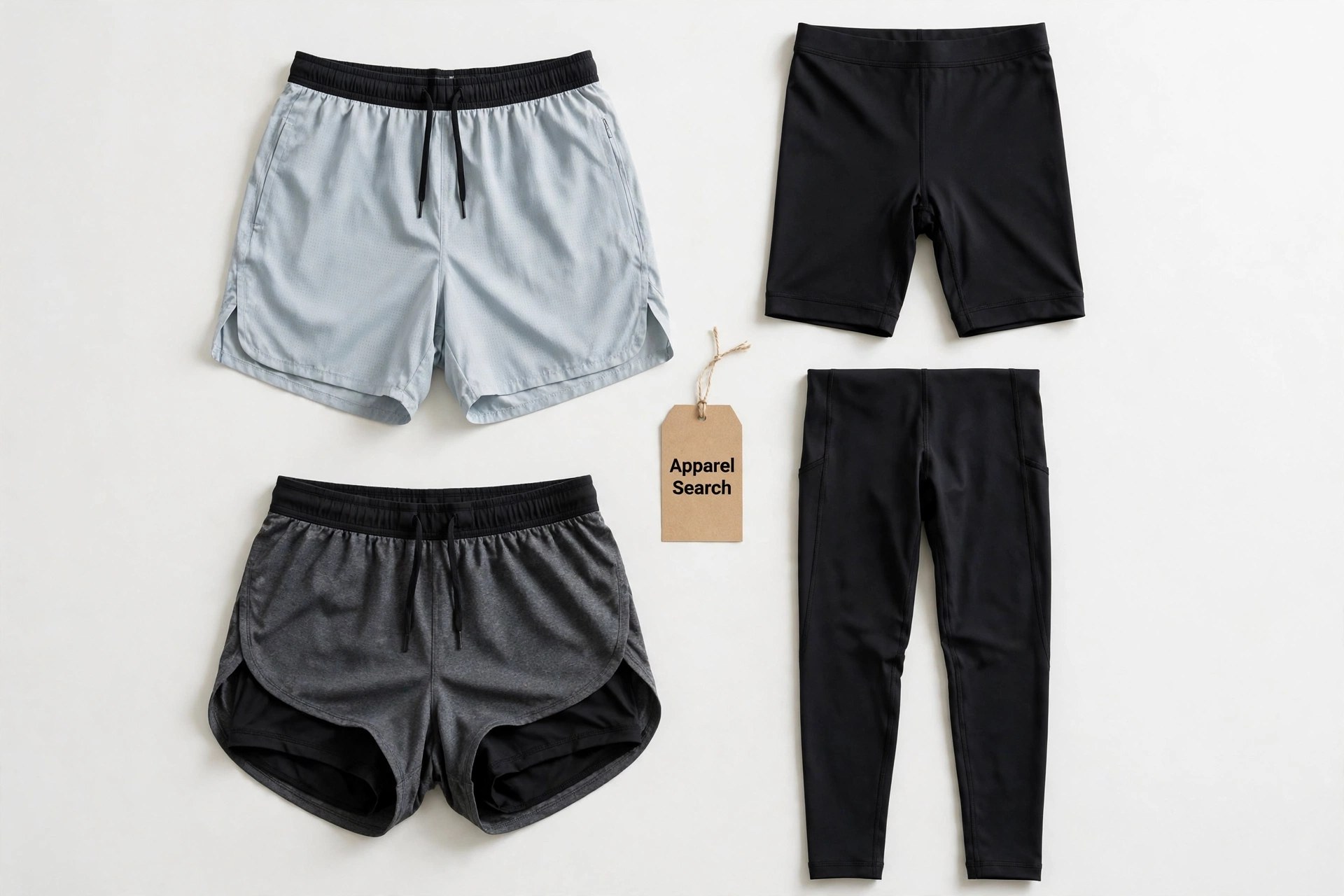 Running Shorts, Tights & BottomsBottoms that go the distance without complaint.