Apparel Search Consumer Guides
Running Apparel Guide
The running wardrobe as a system: base layers, tops, shorts and tights, jackets, hats, gloves and belts — what each piece does, and how they work together in any weather.
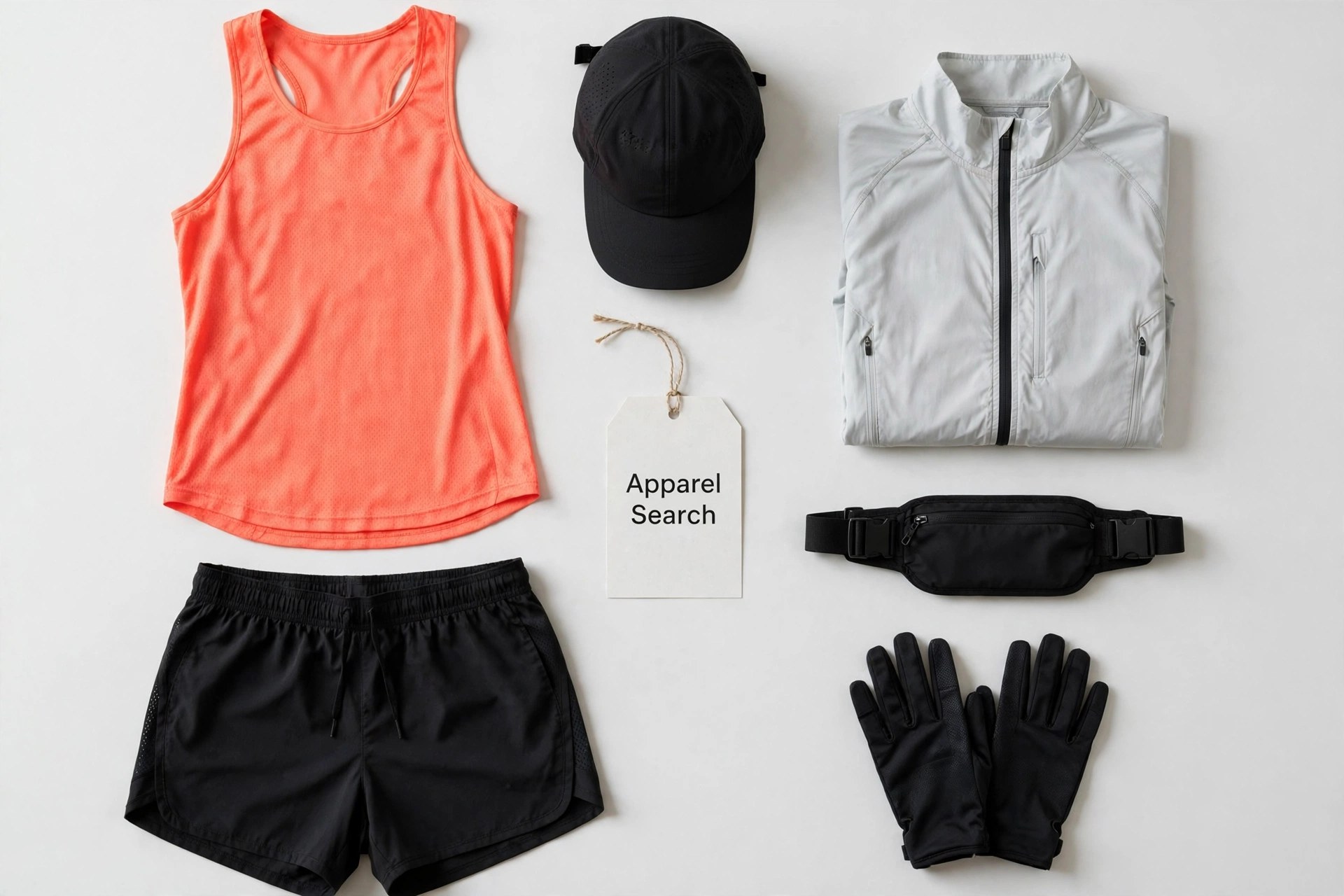
Apparel Search has covered running shoes in depth for years — fit, cushioning, stability, trail and racing models for men and women. This guide covers the other half of the outfit: the clothing. Running apparel is a small, hard-working wardrobe built on a few principles — fabrics that move sweat away from the skin, layers that go on and come off as conditions change, and fits that stay put mile after mile. Get those right and the same basic kit handles a July morning and a January one.
Search Apparel Search
The Guides in This Section
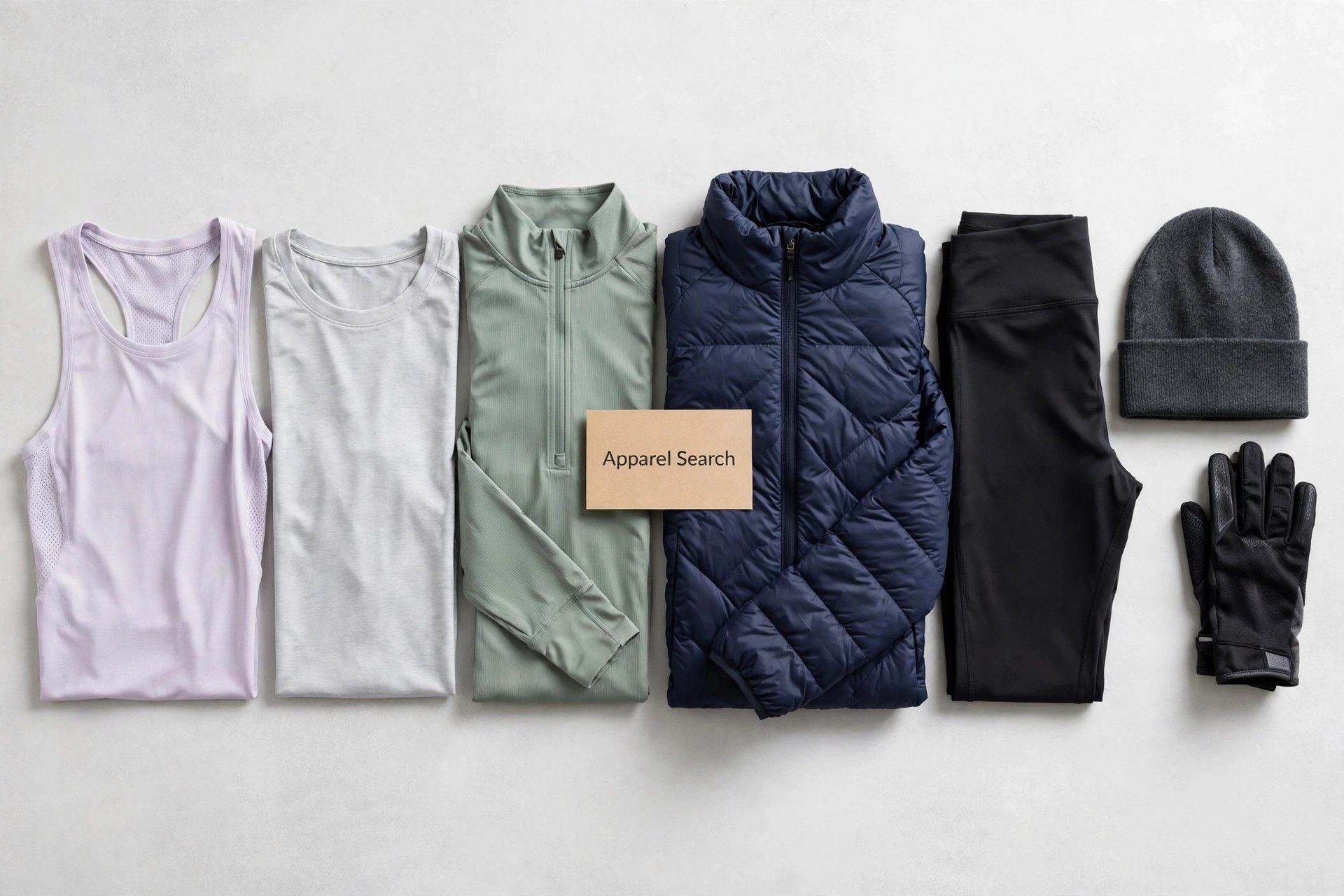 What to Wear Running by TemperatureThe band-by-band answer: what to add and take off as the temperature moves, with wind and rain adjustments and the “dress for mile two” principle.
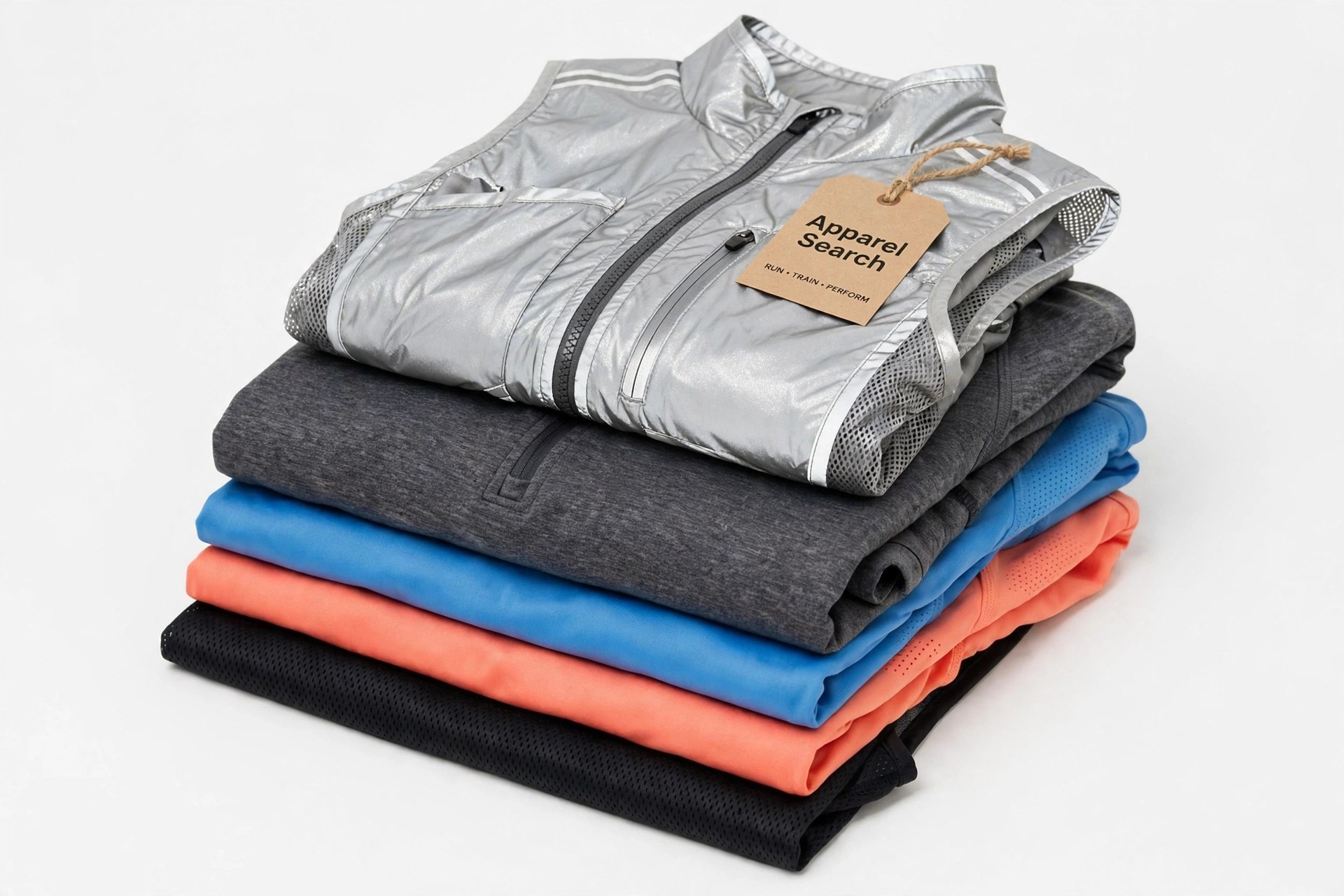 Running Tops & LayersSinglets, tees, long sleeves, base layers, jackets and vests — fabrics, fits, the order layers go on, and reflective visibility for low light.
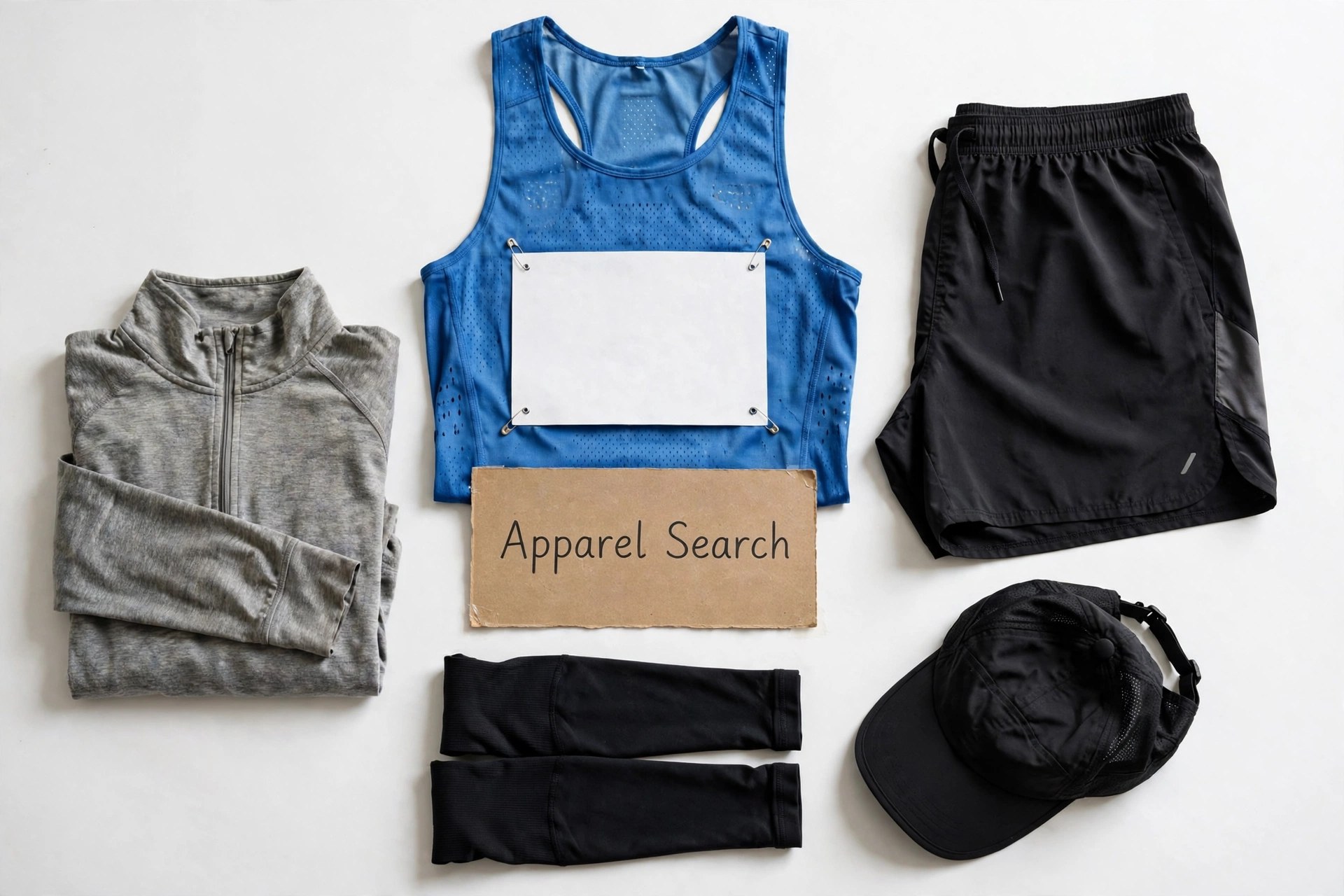 Marathon Race Day ClothingThe nothing-new-on-race-day rule, throwaway layers for the start corral, dressing for the finish-line forecast, and warm clothes for afterwards.
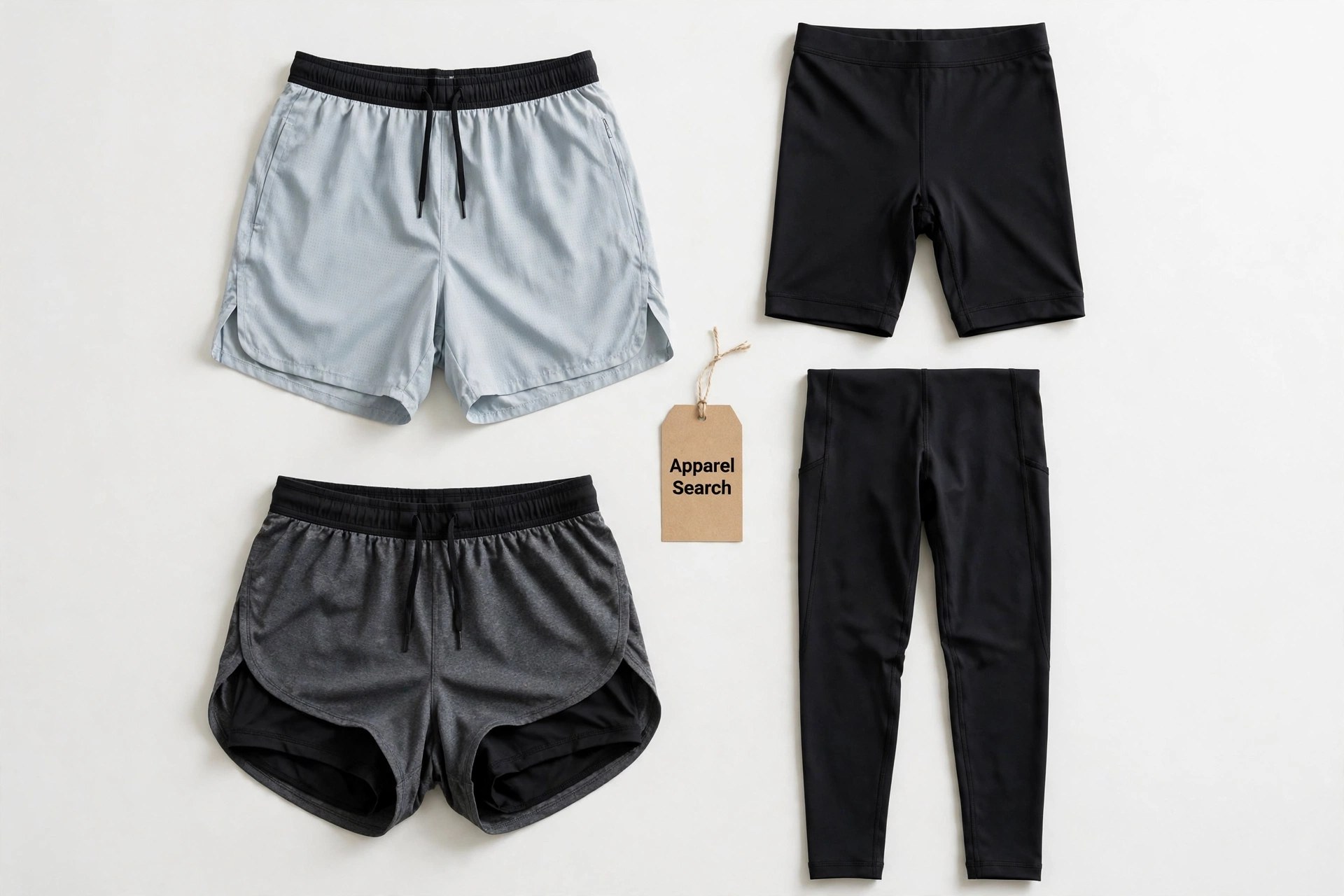 Running Shorts, Tights & BottomsSplit shorts, compression shorts, 2-in-1 designs, tights and leggings compared — inseams, liners, pockets and choosing by distance and weather.
The Fabric Principle: Manage Moisture First
Almost every choice in running clothing follows from one fact: a running body produces a lot of heat and sweat, in every season. Fabrics that hold moisture against the skin feel heavy and clammy in summer and cold in winter, which is why ordinary cotton T-shirts — comfortable for nearly everything else — are the one fabric experienced runners avoid for the run itself. Running garments are built from synthetics such as polyester and nylon, or from merino wool, because those fibers move moisture off the skin and dry quickly. The textile side of that story is covered in our moisture management fabrics guide, and the garment side in the men's and women's performance apparel guides.
The Two Rules of Running Dressing
Dress for mile two, not mile one. You warm up fast once you start moving, so the outfit that feels right standing at the door will feel like too much within ten minutes. Dress for how you will feel once you are warm.
Layers beat single heavy garments. Two or three light, adjustable pieces — a base, a top, a shell — cover a far wider range of weather than one thick one, because each can be added, removed, tied around the waist or unzipped as conditions change.
The Wardrobe, Piece by Piece
Base layers
The layer against the skin sets the tone for everything above it. In warm weather the base layer is the outfit — a singlet or tee. In cold weather a close-fitting, moisture-moving base under a warmer top is the foundation of the system. Our dedicated base layer guide covers materials and fits in depth, and the tops and layers guide shows where each piece sits in the running system.
Tops
Singlets for heat, short sleeves for the middle ranges, long sleeves and half-zips as it cools, and jackets or vests as the outer defense against wind and rain. Fit should be close without binding, seams should sit flat, and anything worn in low light should carry reflective detail. Full coverage in the running tops and layers guide.
Bottoms
Shorts own the warm half of the year — split, everyday and 2-in-1 styles, most with built-in liners — and tights take over as temperatures fall. Pockets and storage matter more than most new runners expect: keys, a phone and fuel all have to ride somewhere. See the shorts, tights and bottoms guide, and the product-level view in our guide to running shorts.
Accessories: the small pieces that decide comfort
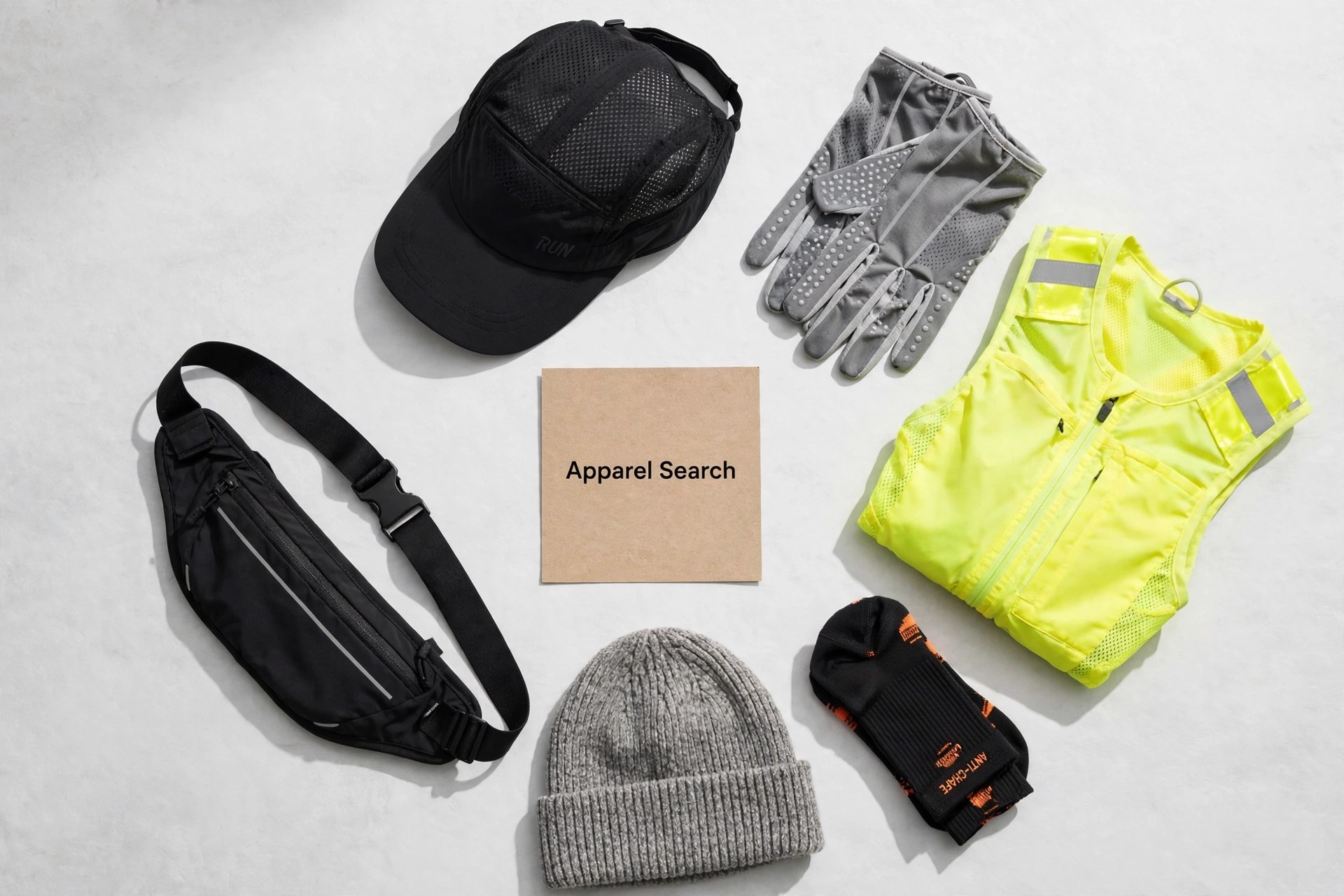
Hats shade and shed rain in summer and hold heat in winter; gloves are often the first addition as temperatures drop and the first thing removed; a running belt carries a phone and keys without bounce; and reflective details or a light vest make a runner visible in the dark hours when many runs happen. None of these is expensive, and each one solves a specific discomfort.
Shoes: the foundation
Clothing works with the shoes, not instead of them. If you are building the full kit, start with fit: our shoe fit guide explains measuring and fit checks, and the running shoe guides linked at the top of this page cover the models. The product directory view is at running shoes.
Where Running Clothing Sits on Apparel Search
Running apparel overlaps several of our sections. The broader activewear wardrobe is covered in the men's activewear guide and women's activewear guide; weather-first dressing in the dressing for the climate guide; and the temperature decisions for running specifically in what to wear running by temperature.
Shop Running Clothing on Amazon
Ready to shop? Product links are kept in one place on the Apparel Search shopping guide:
Shop Running Clothing on AmazonRunning singlets, shorts, tights, jackets and accessories are core Amazon categories; the guide gathers the product links.
Common Questions
What is the most important thing in running clothing?
Fabric. Choose garments that move moisture away from the skin and dry quickly — polyester, nylon or merino — in every layer, and the rest of the system works. Cotton holds sweat, feels heavy, and turns cold when you slow down.
How many pieces does a beginner actually need?
Very few: two or three tops, two bottoms, and one light jacket cover most conditions in most climates, because the pieces combine. Add gloves and a hat as your first cold-weather purchases; they change comfort out of proportion to their cost.
Should running clothes fit tight or loose?
Close, but not restrictive. Base layers must touch the skin to move moisture; outer layers need room to move over them. Anything that flaps, bounces or rubs at a seam will announce itself a few miles in, so smooth, flat-seamed construction matters more than fashion fit.
Do I need different clothes for racing?
Mostly no — race day uses the same wardrobe, chosen more carefully. The differences are planning ones: nothing unworn, layers you can discard at the start, and warm clothes waiting at the finish. See the marathon race day clothing guide.