Apparel Search Consumer Guides
Running Tops & Layers Guide
Singlets, tees, long sleeves, base layers, jackets and vests — what each top does, the order the layers go on, and how reflective detail keeps you visible in low light.
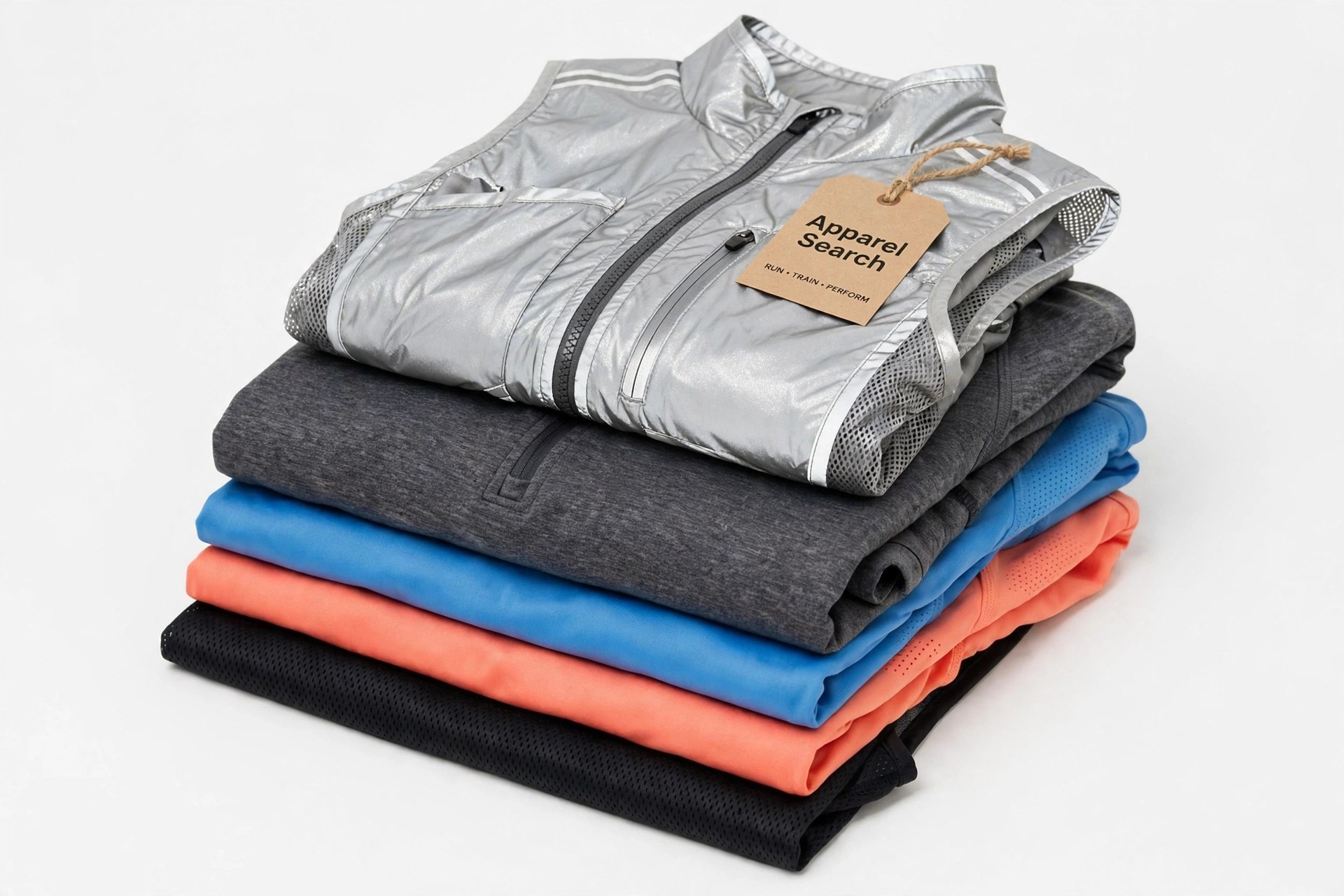
Everything above the waist in a running outfit is a layering problem. The pieces are few — singlet, tee, long sleeve, shell — but the combinations cover the whole year, and the order they go on matters as much as the pieces themselves. This guide walks the stack from the skin out. It is part of our Running Apparel Guide; for the temperature-by-temperature choices, see what to wear running by temperature.
The Pieces, Skin Out
Singlets and tank tops
The hot-weather top: sleeveless, often mesh-paneled, cut loose enough to move air and close enough not to flap. Racing singlets are the lightest garments in the wardrobe. In the depths of summer a singlet is the whole system — pair it with the shorts advice in the bottoms guide.
Short-sleeve tees
The default top for the middle of the year. Technical tees in polyester or nylon move sweat and dry fast; merino tees regulate temperature across a wider range and resist odor over long or repeated wear. The general garment family is covered for men and women in our athletic shirts guides.
Support tops (women)
A sports bra is a piece of running equipment in its own right — sized, structured and replaced on a schedule like shoes. Fit and support levels are covered in our sports bra guide.
Long sleeves and half-zips
The cool-weather workhorse. A long-sleeve technical top works alone in the 40s and as a layer in the cold; a half-zip adds a vent you can open as you warm up and a collar that closes against wind. Thumb loops, watch windows and zippered pockets are the details worth paying for.
Base layers
When the top is not the outer layer, the base layer is the one against the skin — close-fitting, flat-seamed and chosen by weight. It is the same garment family as the outdoor world's base layers, covered fully in our base layer guide and base layer weights guide, with the insulating middle in the mid layer guide.
Jackets and vests
The outer defense. A running jacket's job is wind first and rain second: a light shell that blocks wind changes a cold day more than another warm layer underneath it. Water-resistant shells handle showers; fully waterproof jackets handle downpours but breathe less. A vest keeps the core covered while leaving arms free — the most versatile single layer many runners own. Zips are temperature controls: open them before you overheat, not after.
The Layering Order
1. Base — moisture moves off the skin (singlet, tee or base layer). 2. Insulation — warmth when needed (long sleeve, half-zip, mid layer). 3. Shell — wind and rain stay out (vest or jacket). Each layer must be removable or openable without stopping for long, because the correct number of layers at mile one is rarely the correct number at mile eight.
Fabric, Fit and Construction
Running tops live or die on three things. Fabric: synthetics and merino that move moisture — the textile detail is in our moisture management fabrics guide. Fit: close enough to avoid flapping and fabric drag, loose enough to breathe and move; nothing should need adjusting as you run. Construction: flat or offset seams, because a raised seam under a strap or against skin repeats its rub thousands of times in a long run. Compression tops — a snug, stretch fit worn as base or solo layer — are surveyed in the compression shirts product guide.
Visibility in Low Light
Many runs happen at dawn, dusk or in the dark, and visibility is a clothing feature: reflective logos and piping that catch headlights, bright or fluorescent colors for grey daylight, and — for regular dark running — a reflective vest worn over whatever the weather requires. Place reflective detail on moving parts (arms, legs, torso in motion) where drivers register movement soonest. The performance context is covered in the men's and women's performance apparel guides.
Shop Running Tops on Amazon
Ready to shop? Product links are kept in one place on the Apparel Search shopping guide:
Shop Running Clothing on AmazonSinglets, technical tees, half-zips, jackets and reflective vests are all standard Amazon categories.
Common Questions
Is a vest or a jacket better?
For most runners, the vest is the more-used piece: it covers the core, leaves arms free and works over everything from a tee to a thermal layer. A jacket earns its place when wind or rain is the main problem, or in genuine winter cold. Many runners end up owning both and reaching for the vest three days out of four.
Why not just run in a cotton T-shirt?
For a short, easy run in mild weather, plenty of people do. The problem shows up with distance and weather: cotton absorbs sweat, stays wet, gets heavy and turns cold when you stop or the temperature drops. Technical fabrics exist to solve exactly those four things.
How should a running jacket fit?
Roomy enough to fit over your warmest layer combination without binding at the shoulders, close enough not to balloon in wind. Check the zip: it should open from the bottom as well as the top on longer jackets, so the jacket can vent and sit comfortably.
Do I need a base layer if I have a good jacket?
In cold weather, yes — the jacket manages wind and rain, but the layer against your skin manages sweat, and a wet layer under a good shell is still a wet layer. In mild weather the tee alone does both jobs and the base layer stays home.
The Running Apparel Guide
The full wardrobe system — fabrics, tops, bottoms, accessories and shoes — in one place.
Related Guides
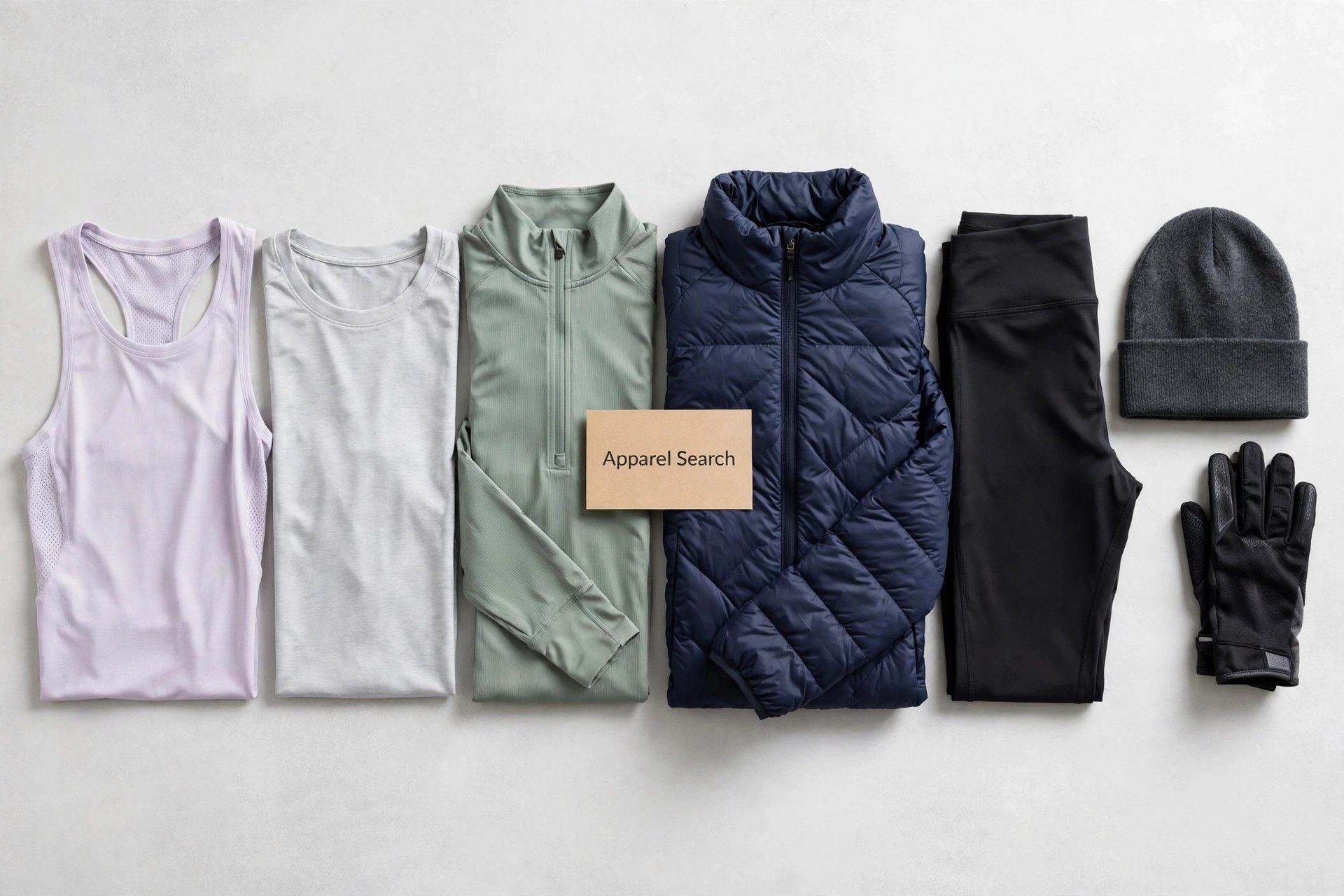 What to Wear Running by TemperatureWhich of these layers to wear, band by band.
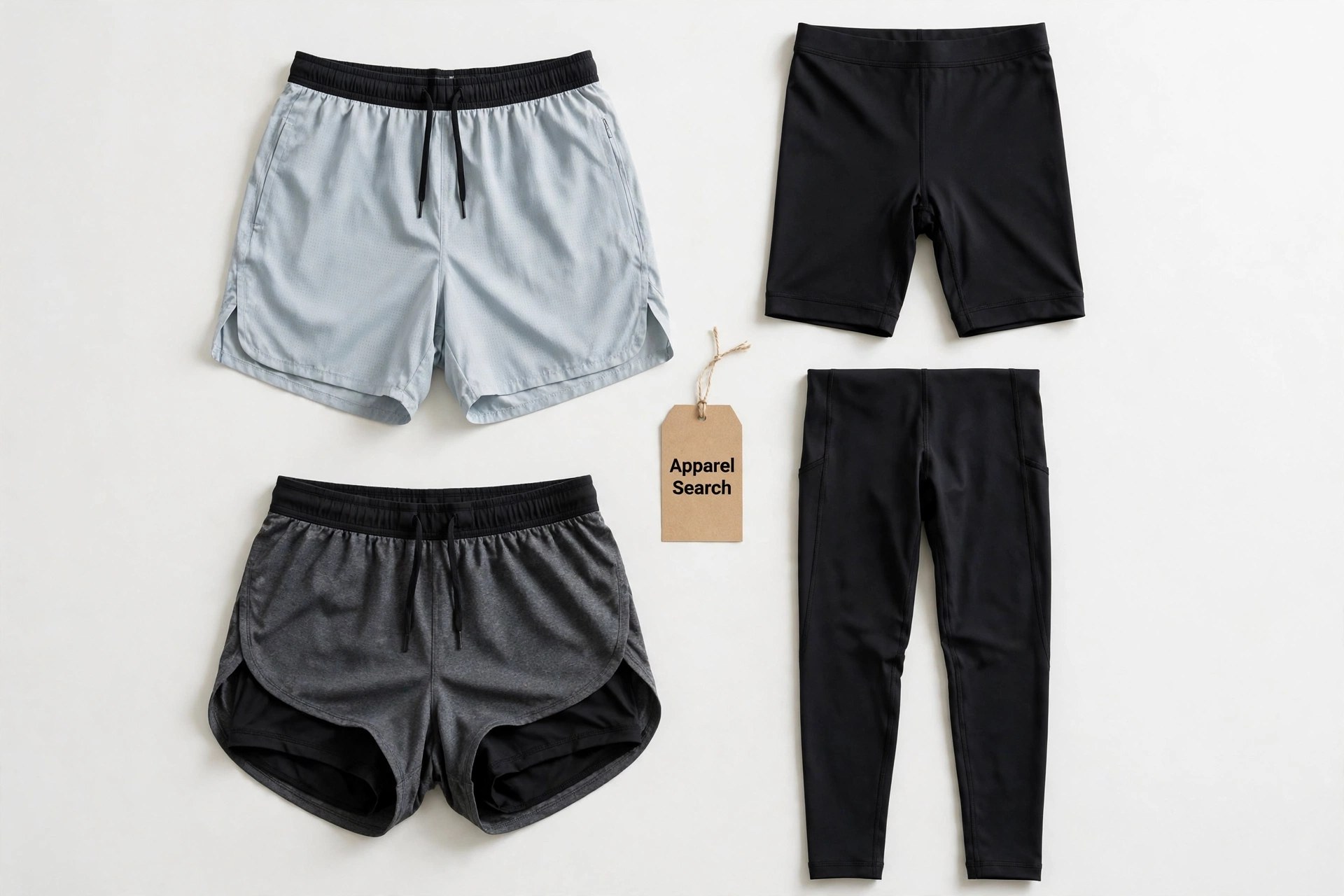 Running Shorts, Tights & BottomsThe below-the-waist half of the system.
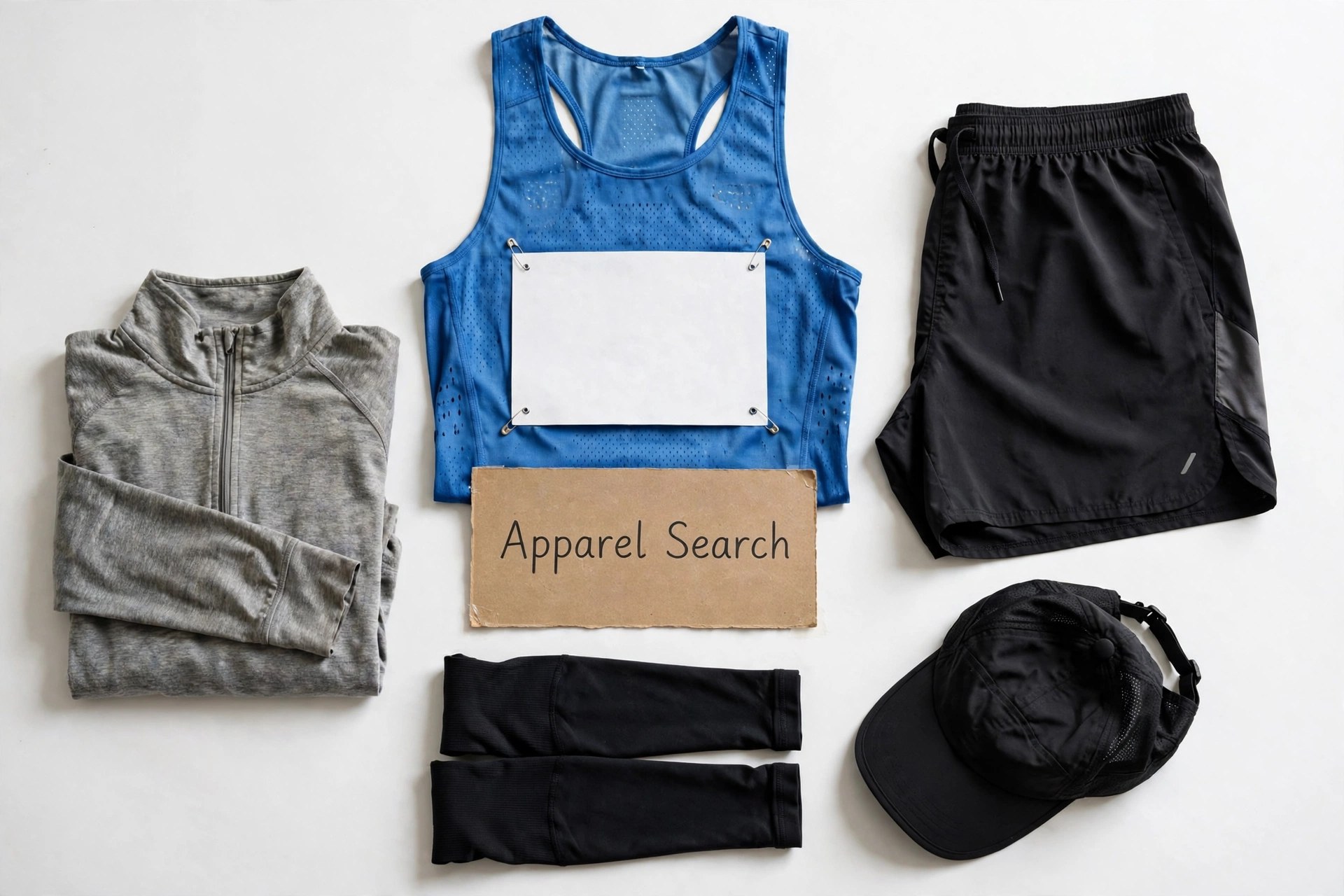 Marathon Race Day ClothingLayers with a start line and a finish line.