Women's Athletic Shirts Guide
Technical tees, tanks and long sleeves for training — the fabrics, fits and features that keep you cool and dry.
Shop Women's Athletic Shirts Now
Shop Women's Athletic Shirts on eBay Shop Women's Athletic Shirts on AmazonThe eBay and Amazon links on this page are affiliate links. If you make a purchase through them, Apparel Search may earn a commission.
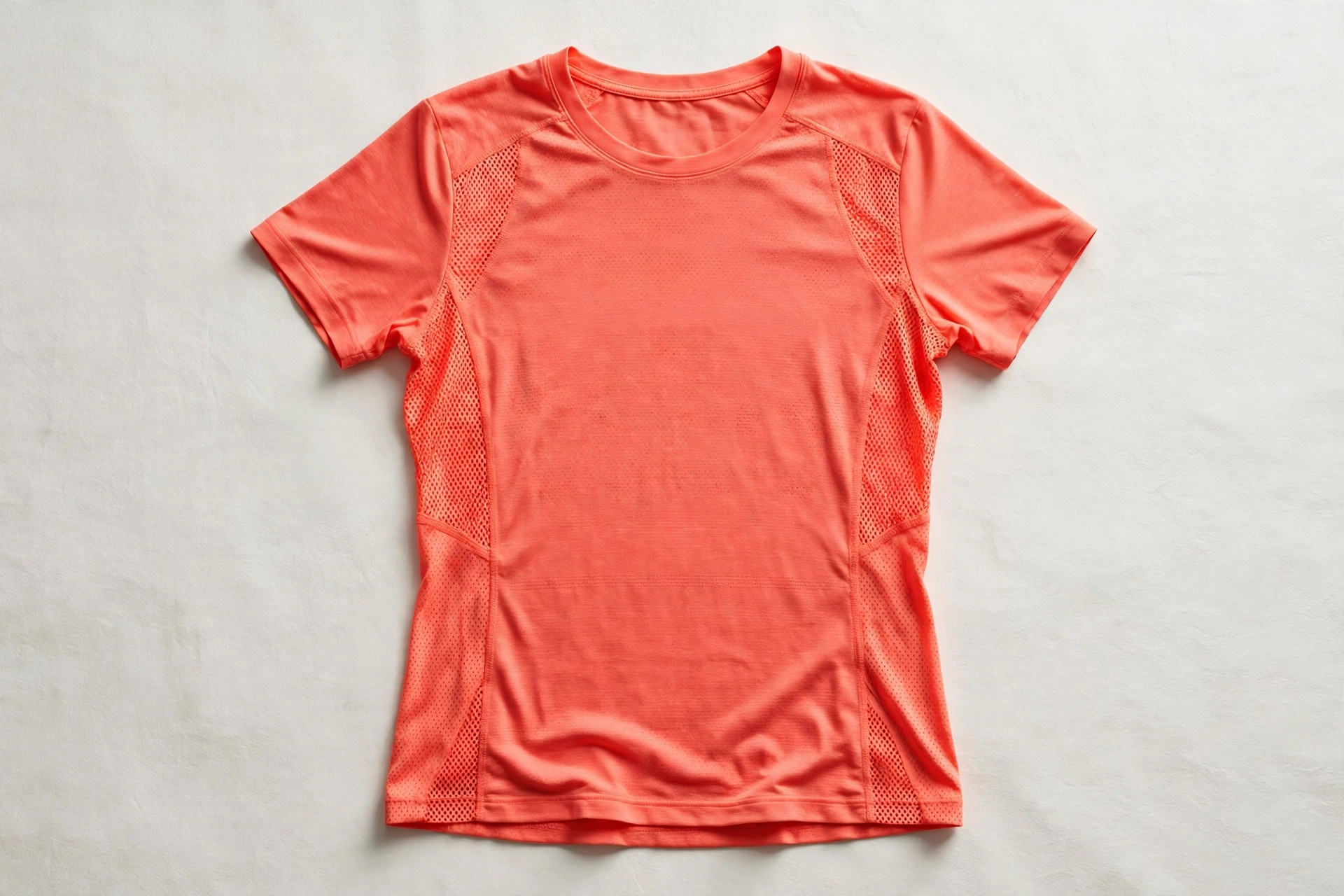
The athletic shirt is the hardest-working top in training: it takes the sweat, the sun, the friction of straps and packs, and a wash after nearly every wear. Modern athletic shirts are genuinely technical garments — engineered knits that move moisture, mapped ventilation, fits tuned by sport — and the difference between a good one and a random tee is obvious by the second mile or the second set. This guide explains the styles, the fabric technology, and how to choose shirts for running, training, and studio work.
Styles: Tees, Tanks, Long Sleeves & Layers
Short-sleeve tech tees are the default: full shoulder coverage for sun and straps, in fits from compression to relaxed. Tanks and racerbacks maximize airflow and shoulder freedom for hot gyms, lifting, and summer runs, with shelf-bra versions for low-impact studio work. Long-sleeve athletic shirts add sun protection and cool-weather coverage, often with thumbholes that keep sleeves anchored. Cropped training tops pair with high-waisted bottoms for studio and lifting. Base-layer shirts are the fitted, wicking foundation under jerseys and outerwear in cold weather. Most athletes rotate three or four shirts matched to their main activities and climate.
Fabric Technology in Plain Terms
Athletic shirts run on wicking knits: polyester and nylon fibers with channels that pull sweat outward to evaporate. Variations tune the feel — smooth jersey for next-to-skin comfort, open mesh for maximum airflow, and textured knits that hold fabric off the skin so it never feels clammy. Four-way stretch (from elastane) keeps the shirt moving with you; antimicrobial treatments slow odor between washes; UPF ratings quantify sun protection for outdoor training. Merino wool shirts are the natural-tech exception, managing odor and temperature superbly for travel and endurance. Cotton, for all its off-duty virtues, stays wet and heavy the moment training gets serious.
Fits by Activity
Fit follows friction and freedom. Runners choose close, light shirts that do not flap or chafe, with reflective details for dark miles. Lifters often prefer tanks and fitted tees that let coaches (and mirrors) read their form, in fabrics that survive barbell knurling and bench contact. Studio athletes want soft, longer, stay-put tops that remain opaque and in place upside down. Outdoor and team athletes add coverage and durability. In every case, raise your arms, twist, and bend in the fitting room: the right shirt disappears during movement, and any shirt that needs constant tugging will be a distraction for its entire career.
Care for Technical Tops
Athletic shirts ask for cold washes, inside out, with no fabric softener — softener coats the wicking fibers and is the main cause of the permanent-funk problem in gym clothes. A periodic wash with a sport-specific detergent strips the buildup and revives performance. Air-drying protects elastane, prints, and reflective details. Wash after every wear; technical fabrics hide odor when dry and release it when warm, so yesterday's 'fine' shirt is a trap. Cared for properly, a quality training shirt keeps its wick and shape for years of weekly work.
For runners specifically, the running tops and layers guide narrows this family down to singlets, tees, long sleeves and shells — and explains the order they go on, from base layer to jacket.
Layering Athletic Shirts Across Seasons
A small rotation of athletic shirts layers across the whole year if you choose weights deliberately. Summer training runs on single lightweight tees and tanks. Spring and fall add a long-sleeve tech shirt as either a solo layer on cool mornings or a base under a light jacket. Winter training builds the full system: a fitted wicking long-sleeve as the base (never cotton, which chills), an insulating mid-layer, and a wind or water-resistant shell — with the athletic shirt doing the sweat management that makes the whole stack comfortable. Buy long-sleeve versions of the short-sleeve shirts you already love, in colors that coordinate, and the seasons stop requiring separate wardrobes for training.
Looking for Women's Clothing Stores?
This guide helps you choose women's athletic shirts by style and sport. To browse where to buy, visit our women's clothing store directory, where you can find retailers that carry them.