Women's Athletic Jerseys Guide
Mesh game jerseys, practice pinnies and fan replicas — fits, fabrics and the difference between playing and cheering.
Shop Women's Athletic Jerseys Now
Shop Women's Athletic Jerseys on eBay Shop Women's Athletic Jerseys on AmazonThe eBay and Amazon links on this page are affiliate links. If you make a purchase through them, Apparel Search may earn a commission.
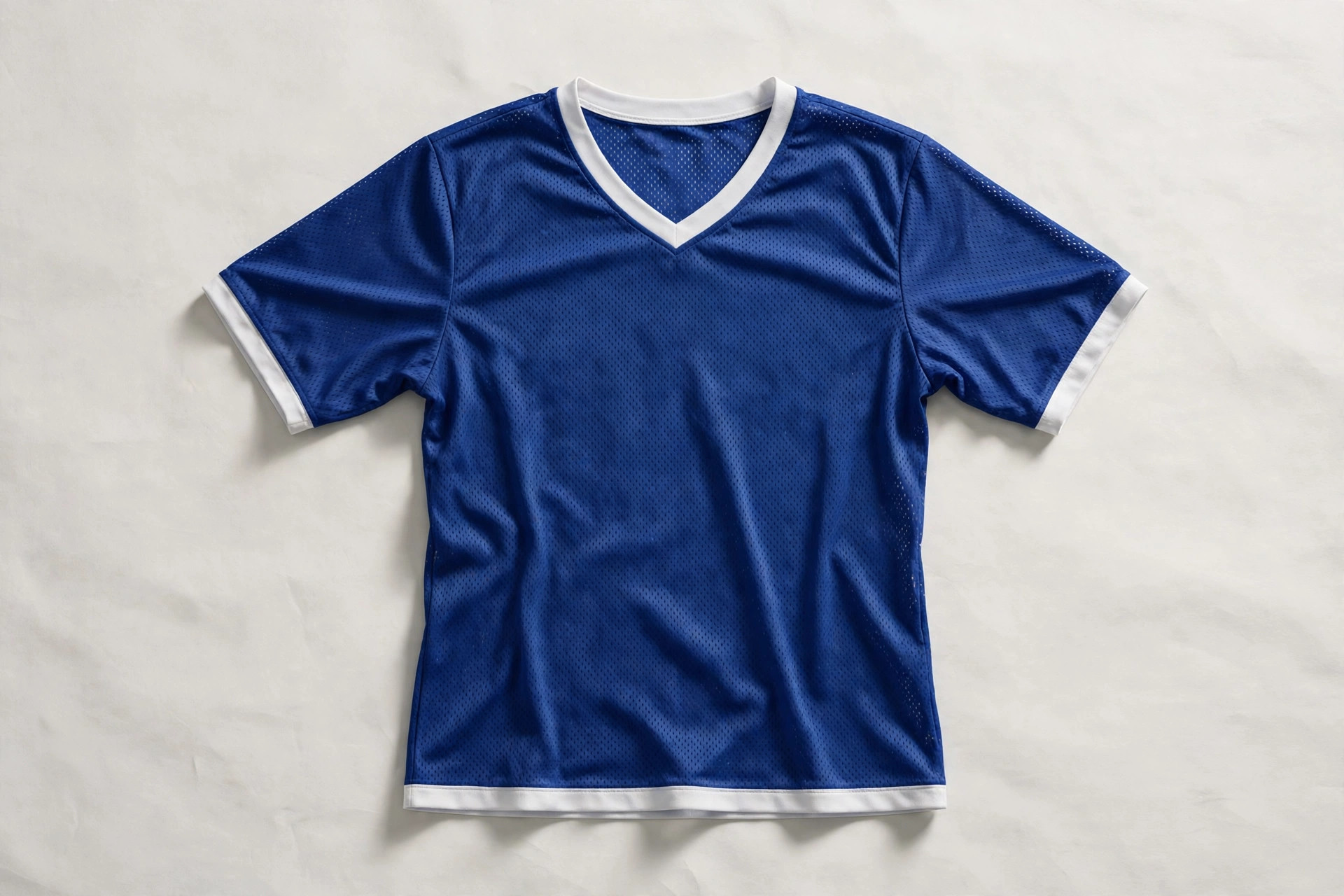
The athletic jersey is sport's most recognizable garment: a numbered, team-colored top built for the game and adopted by fans everywhere. Women's jerseys have evolved from boxy hand-me-downs of men's cuts into genuine performance pieces with shaped fits, sport-specific fabrics, and designs for nearly every sport — basketball, soccer, softball, volleyball, hockey, lacrosse, and more. This guide explains the types of jerseys, what the fabrics and features do on the field, and how game, practice, and fan jerseys differ.
Game, Practice & Fan Jerseys
A game jersey is the real equipment: durable, breathable, cut to its sport's rulebook and movement, with numbers and letters applied to survive a season of contact and washing. A practice jersey or pinnie is the training version — often a simple reversible mesh vest slipped over other clothing to split teams in drills. A fan or replica jersey copies the look for the stands: lighter construction, fashion fits, and graphics meant for cheering rather than tackling. Knowing which one you are buying matters, because the price and durability gaps are large, and a replica worn into a real game will not last the season.
Fabrics & Construction
Most jerseys are built from polyester mesh — an open, breathable knit that dumps heat and dries fast. Double-knit mesh is the durable game standard; lighter bird's-eye mesh suits hot-weather sports. Panels matter: many designs place tighter, more abrasion-resistant fabric where bags and pads rub, and open mesh where heat builds. Numbers and names arrive three ways — screen printed (lightest, cheapest, can crack with age), heat pressed (smooth and sharp), and stitched tackle twill (the premium, professional look that outlasts the jersey itself). Reinforced stitching at shoulders and side seams is the mark of a jersey made for contact sports.
Women's Fits by Sport
Sports cut jerseys differently because they move differently. Basketball jerseys are sleeveless with deep armholes for shooting. Soccer jerseys are sleek, short-sleeved, and close-fitting to discourage shirt-pulling. Softball and baseball styles include button-fronts and raglan sleeves for throwing. Volleyball jerseys are fitted and long enough to stay tucked through dives. Women's versions shape the waist and grade the shoulders properly rather than simply shrinking a men's pattern — a difference you feel in the first sprint. For fan wear, fashion fits add shorter bodies and shaped seams meant for jeans, not drills.
Care for Numbers & Letters
Jerseys live or die by their graphics. Wash inside out in cold water, never with heat that can soften adhesives and crack prints, and hang dry — the dryer is the number-one killer of heat-pressed letters. Avoid ironing decorated areas entirely. Zip or snap the jersey closed in the wash to protect other garments from its hardware, and treat grass and clay stains promptly with a soak before washing. Stored folded with the numbers flat, a quality game jersey keeps its colors and graphics for many seasons of play and cheering.
Wearing Jerseys Off the Field
Jerseys have a second career as fan and street style, and wearing one well is a small art. The classic formula pairs an oversized team jersey with slim bottoms — jeans, leggings, or a skirt — so the volume reads intentional. Tucking the front or tying a knot at the waist gives a vintage jersey shape; layering over a turtleneck or hoodie extends jerseys into cold-weather fandom. Keep the rest of the outfit clean and let the jersey's colors lead: match one accessory to the team's secondary color and stop there. Whether it is a genuine game jersey or a fashion replica, confidence is the styling step that makes it read as a look rather than a uniform you forgot to change out of.
Related Women's Guides
Photos

More to Explore on Apparel Search
Looking for Women's Clothing Stores?
This guide helps you choose women's athletic jerseys by sport. To browse where to buy, visit our women's clothing store directory, where you can find retailers that carry them.