Apparel Search Consumer Guides
Running Shorts, Tights & Bottoms Guide
Split shorts, everyday trainers, compression shorts, 2-in-1 designs, tights and leggings compared — inseams, liners, pockets and storage, and choosing by distance and weather.
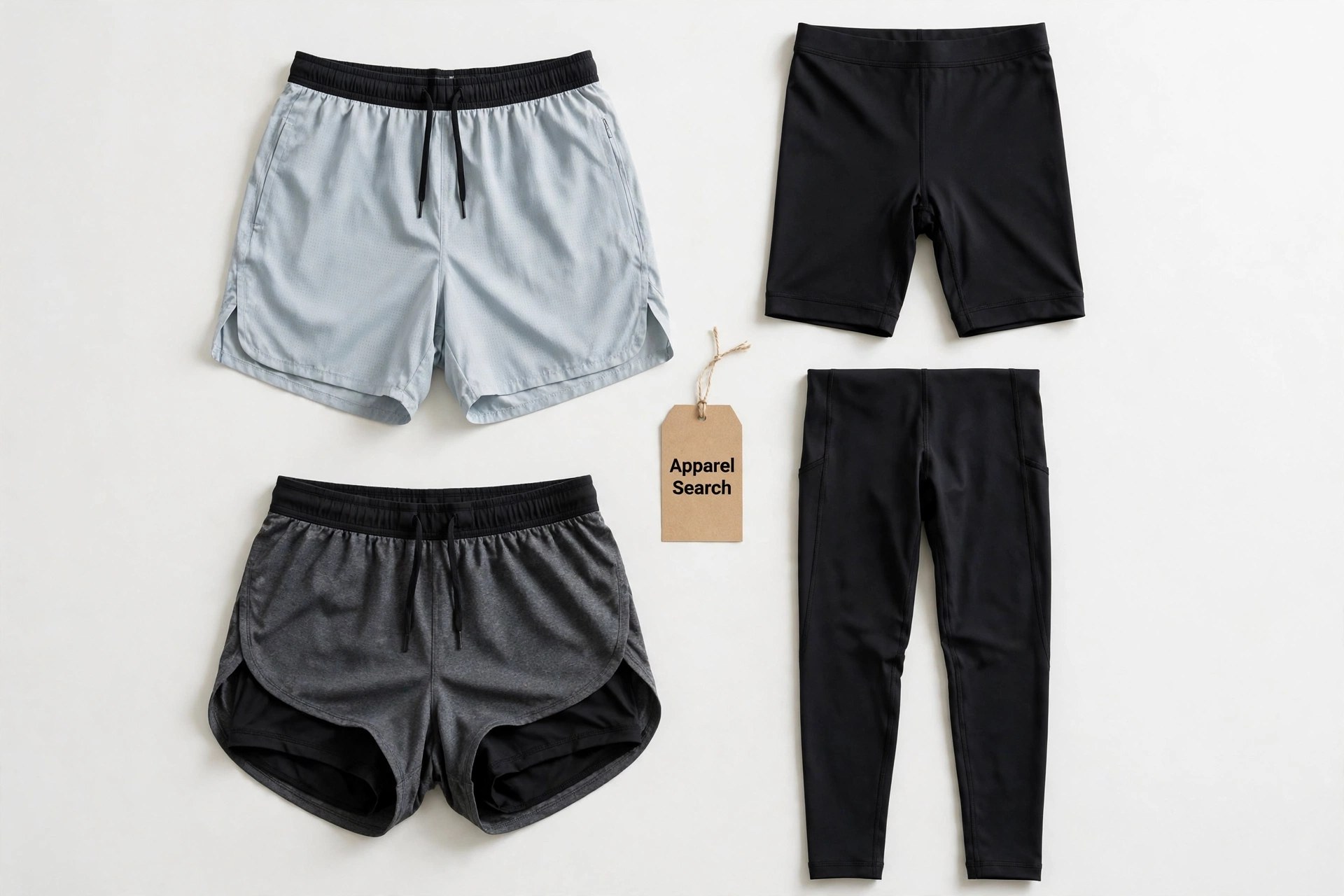
Below the waist, running clothing splits into two families: shorts for the warm half of the year and tights for the cold half, with a shelf of variations inside each. The differences that matter are construction details — inseam, liner, fabric weight, pockets — rather than looks. This guide explains each style and when it earns its place. It is part of our Running Apparel Guide; the product-level survey lives at running shorts.
Shorts: The Four Styles
Split shorts
The racer's short: a very short inseam (1–3 inches) with an overlapping side split that lets the leg swing completely freely. Minimal fabric, maximal ventilation, always with a built-in liner brief. Beloved for races and hot days; the coverage is as brief as the name suggests.
Everyday training shorts
The middle ground most running happens in: inseams of about 5–7 inches, a liner brief or liner short inside, one or two pockets. The wider family is covered in our women's athletic shorts guide and sports shorts guide.
Compression shorts
A snug, stretch short worn alone or under another layer, holding everything still and eliminating loose fabric entirely. What the compression fit is — and is not — is set out at the garment level in our compression garments guide, and the product survey in compression shorts.
2-in-1 shorts
The combination: a loose outer short over a fitted inner liner short. The liner provides the support and coverage of compression; the outer provides the look and pockets of a regular short. The most popular single answer for runners who find pure split shorts too brief and pure compression too exposed.
The Liner Question
Most running shorts include a built-in liner — a brief or short — that acts as the underwear layer, so separate underwear is not worn under lined shorts. Unlined styles exist for runners who prefer their own base layer underneath. Fit of the liner matters as much as fit of the short: seams should be flat, leg openings secure without digging, and nothing should need adjusting mid-run. On long runs, smooth liner construction is the difference between a comfortable garment and a distracting one.
Tights and Leggings
When the temperature bands say shorts season is over — see what to wear running by temperature — tights take over. Light tights in a smooth stretch knit cover the cool bands; thermal and brushed tights add a fleecy inner face for winter; wind-front tights put a wind-resistant panel where the weather hits. Capri (three-quarter) lengths bridge the shoulder seasons. The general garment family is covered in our leggings guide, and looser cold-weather training pants in the men's athletic pants guide and the women's cotton running pants guide — noting that cotton is a lounge-and-errands fabric, while tights for the run itself are synthetics that manage moisture.
Pockets and Storage
Storage separates a good bottom from an annoying one. The questions: does a phone sit still against the body (a snug liner pocket or waistband pocket beats a loose side pocket), is there a secure place for a key (a small zip or internal pocket), and can you carry fuel on long runs (multiple small waistband pockets, or a separate running belt)? Race-day carrying is planned alongside the rest of the kit in the marathon race day clothing guide.
Choosing by Distance and Weather
- Short, hot runs: split shorts or the lightest 2-in-1 you own; ventilation wins.
- Everyday miles: training shorts with a liner, chosen for the pocket arrangement you actually use.
- Long runs: the bottom you have tested — liner smoothness and storage decide comfort at mile 15, not mile 2.
- Cool and cold: capris, then light tights, then thermal tights as the bands descend; wind-front panels on exposed, windy routes.
- Trails: slightly longer, sturdier shorts with real pockets; see the footwear side in the trail running shoes guide.
Shop Running Bottoms on Amazon
Ready to shop? Product links are kept in one place on the Apparel Search shopping guide:
Shop Running Clothing on AmazonSplit shorts, 2-in-1 shorts, compression shorts and running tights are all standard Amazon categories.
Common Questions
Do you wear underwear under running shorts?
Not under lined shorts — the built-in liner is the underwear layer, designed for the purpose. Under unlined shorts or tights, wear a smooth, moisture-managing base layer rather than cotton, for the same fabric reasons as the rest of the outfit.
What inseam should I choose?
Shorter inseams (1–5 inches) free the stride and ventilate; longer ones (7–9 inches) add coverage and a more everyday look. There is no performance rule beyond freedom of movement and your own comfort — racers cluster short, trainers cluster mid-length.
Are compression shorts better than regular shorts?
Different, not better. Compression removes loose fabric and holds everything still, which some runners strongly prefer; others prefer the airflow of a loose short. The garment-level facts are in our compression garments guide — try both styles on a real run and keep the one you forget you are wearing.
When do I switch from shorts to tights?
Most runners switch somewhere in the 40s Fahrenheit, earlier for slow or windy runs and later for hard efforts. The bands in what to wear running by temperature give the full sequence, including the capri bridge.
The Running Apparel Guide
The full wardrobe system — fabrics, tops, bottoms, accessories and shoes — in one place.
Related Guides
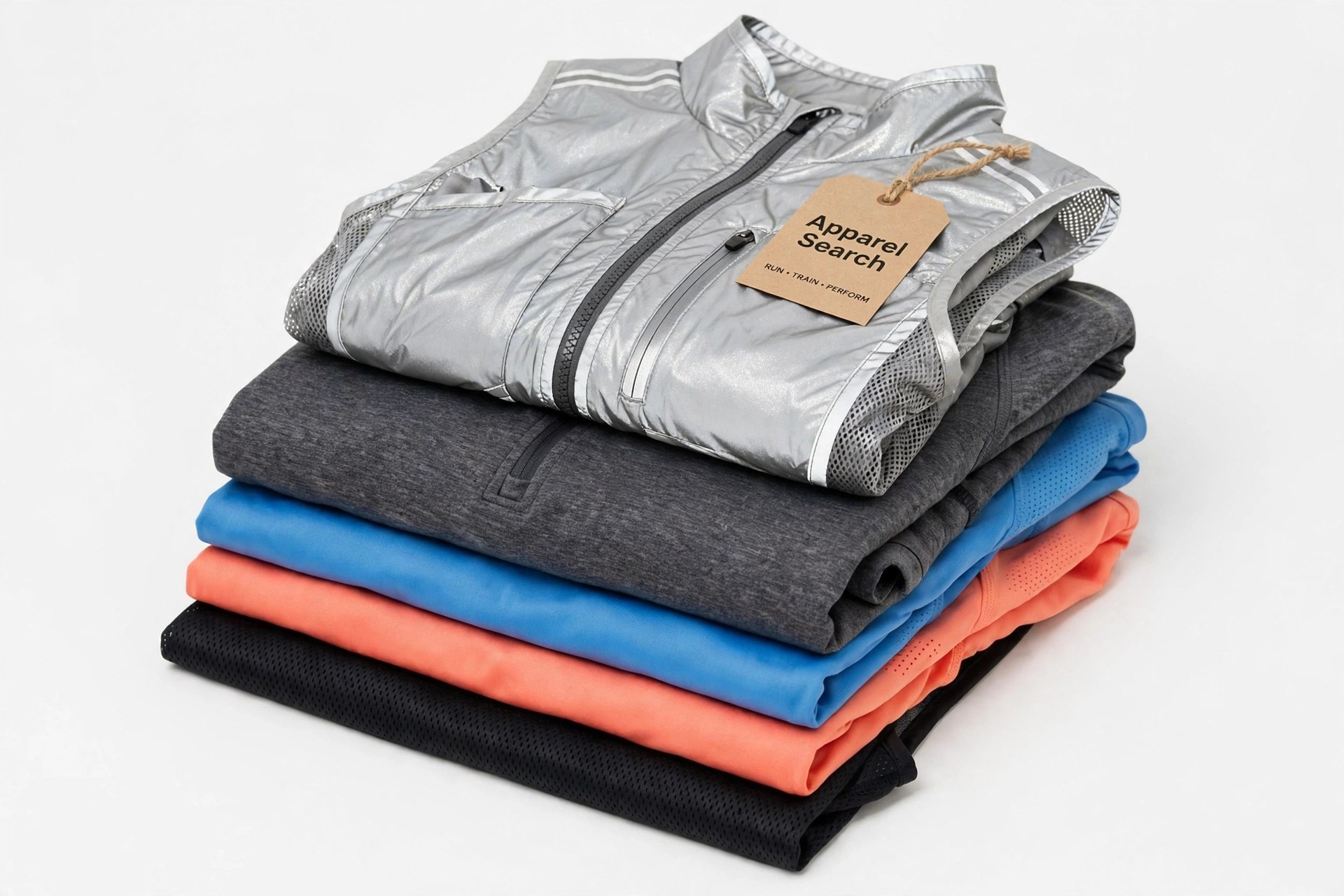 Running Tops & LayersThe above-the-waist half of the system.
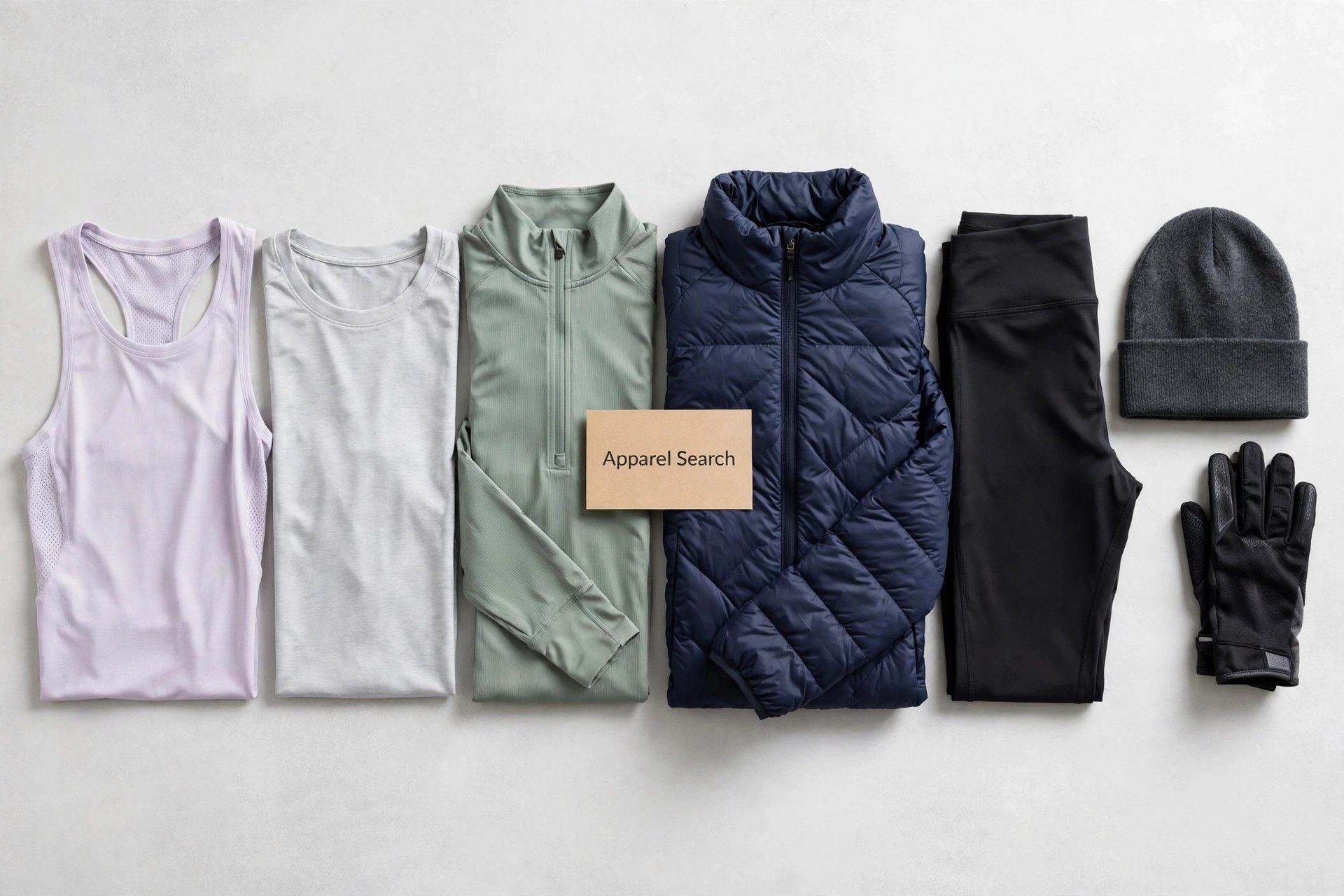 What to Wear Running by TemperatureShorts, capris or tights — the band decides.
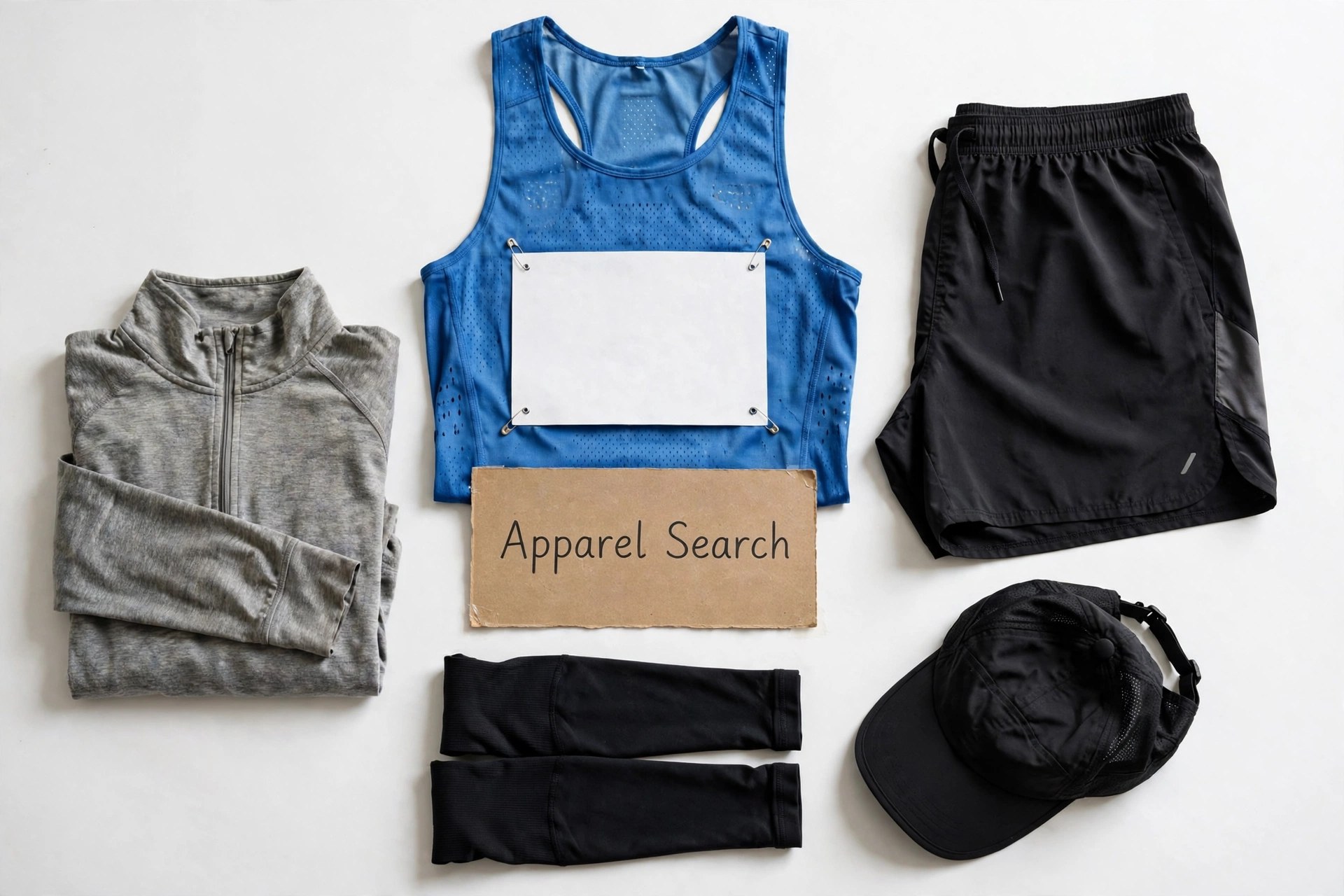 Marathon Race Day ClothingBottoms tested over 26.2 miles.