Women's Athletic Shorts Guide
Split shorts, compression shorts, bike shorts and boardshorts — inseams, liners and fits for every workout.
Shop Women's Athletic Shorts Now
Shop Women's Athletic Shorts on eBay Shop Women's Athletic Shorts on AmazonThe eBay and Amazon links on this page are affiliate links. If you make a purchase through them, Apparel Search may earn a commission.
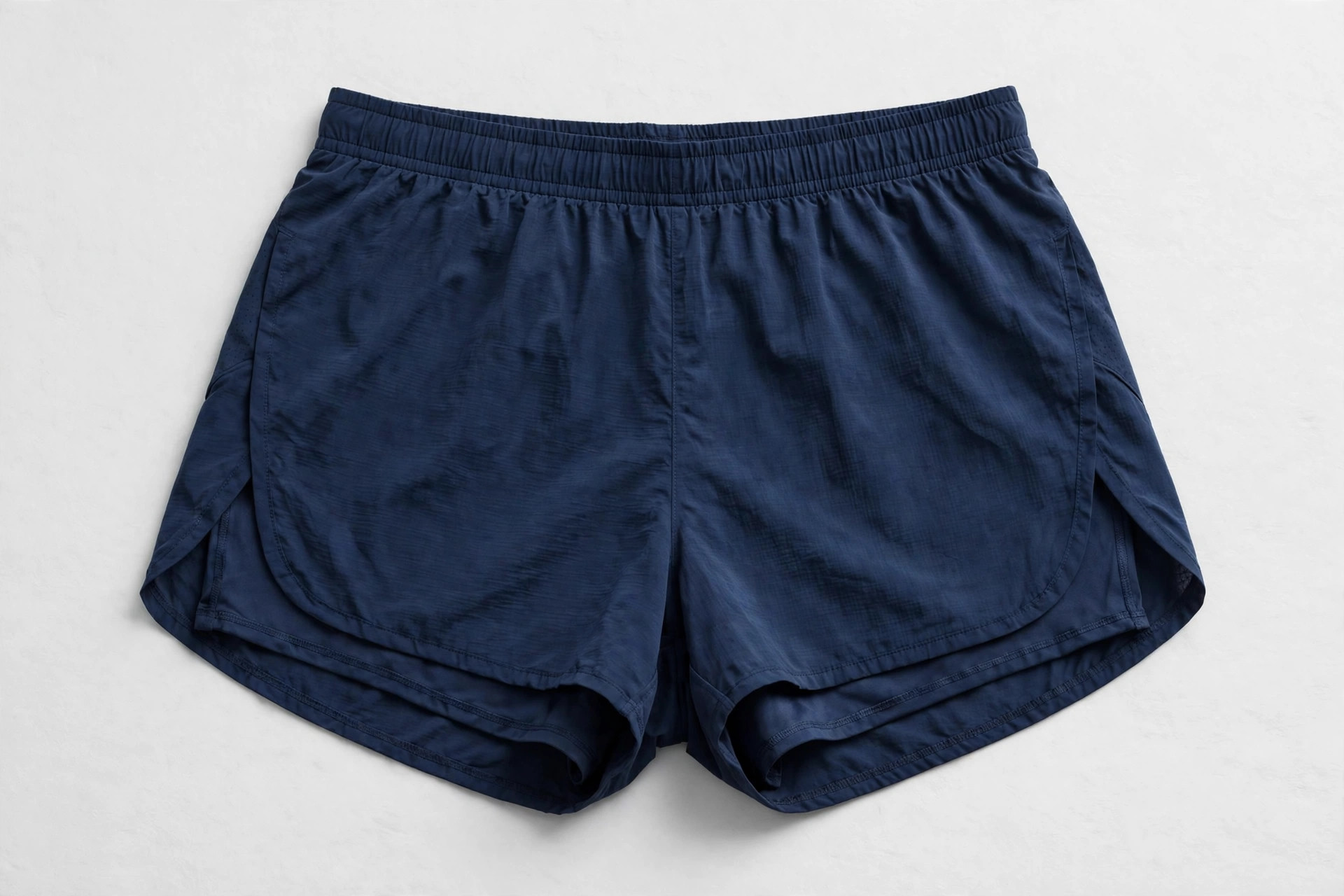
Athletic shorts are warm-weather training essentials, but the category hides real variety: a split-leg running short and a long compression bike short share almost nothing except the name. Inseam length, liner design, fabric weight, and waistband construction all change how a short performs at speed, in the gym, or on the bike. This guide sorts the types, explains the details that prevent riding up and chafing, and helps you pick the right short for your sport and your comfort.
Types of Athletic Shorts
Running shorts are the lightest: short inseams, split or notched hems for stride freedom, and usually a built-in brief liner. Training and gym shorts run a little longer, in sturdier knits that survive benches, boxes, and floor work. Bike shorts and compression shorts fit like a second skin to mid-thigh or beyond, eliminating chafe and doubling as base layers under uniforms. Two-in-one shorts pair a compression liner with a loose outer short — coverage plus performance in one piece. Boardshorts and surf shorts use quick-drying woven fabric for water sports. Studio shorts in soft knits serve yoga and barre, often in fold-over waistband styles.
Inseams, Liners & Waistbands
Inseam is the headline measurement: 3–5 inches for dedicated running shorts, 5–7 for training, 7–10 for bike and compression styles. Longer is not automatically more comfortable — the right inseam is the one that never needs adjusting mid-workout. Liners replace underwear in running shorts: brief liners maximize airflow, while boxer and compression liners add coverage and chafe protection; if you dislike liners, look for unlined styles designed to pair with athletic underwear. Waistbands divide into elastic with drawcord (most secure), wide flat bands (smoothest under tops), and fold-over (studio comfort). A short that stays put when you jump ten times in the fitting room will stay put in the workout.
Choosing by Sport
Runners favor featherlight split shorts or two-in-ones, with a zip pocket for a key. Lifters need squat-proof opacity and inseams that survive hip hinges — compression and training shorts dominate. Cyclists (and spin devotees) want padded or at least seamless compression shorts that do not bunch on the saddle. Team-sport athletes take durable woven shorts cut for their game, worn over compression layers. Studio athletes choose softness and coverage for floor work and inversions. Hot-yoga and water-adjacent training call for the quickest-drying fabrics in the drawer. Two well-chosen styles cover most training weeks.
Care & Fit Troubleshooting
Wash athletic shorts cold, inside out, skip softener, and air-dry to protect elastane and liner meshes. If shorts ride up, the leg opening is likely too loose or the inseam too short for your stride — try a compression liner style. If they chafe, look for flat seams and longer inseams that move the fabric edge off sensitive skin. If the waistband rolls, a wider band or a size change usually fixes it. Retire shorts when the liner's elastic gives up or the knit turns sheer — in athletic shorts, small failures announce themselves publicly, so replace early.
Shorts as a Base Layer
Athletic shorts moonlight as the most useful base layer in the drawer. Compression and bike shorts worn under uniforms prevent chafing and add coverage during play; under dresses and skirts, the same shorts provide confidence on windy days and long walks; under ski and snowboard pants, a smooth pair adds warmth without bulk. For base-layer duty, choose the smoothest, flattest-waistband pair you own, in a length that stays hidden and a color that matches the outer garment's tone. It is the unglamorous role nobody shops for — and one of the reasons a second pair of good compression shorts is never a wasted purchase.
Related Women's Guides
More to Explore on Apparel Search
- Athletic Apparel
- Athletic Fashion
- Athletic Jerseys
- Athletic Shirts
- Athletic Shoes
- Athletic Socks
- Athletic Wear
- Compression Shorts
- Performance Apparel
- Women's Clothes Guide Pg. 2
- Women's Clothing Directory Pg. 3
- Women's Clothing Stores
- Women's Clothing Wholesalers
- Women's Cotton Gym Shorts
- Women's Fashion
- Women's Shorts
Looking for Women's Clothing Stores?
This guide helps you choose women's athletic shorts by sport and inseam. To browse where to buy, visit our women's clothing store directory, where you can find retailers that carry them.