Apparel Search Consumer Guides
What to Wear Running by Temperature
The band-by-band answer: exactly what to add and take off as the temperature moves, with wind and rain adjustments — and why you should dress for mile two, not mile one.
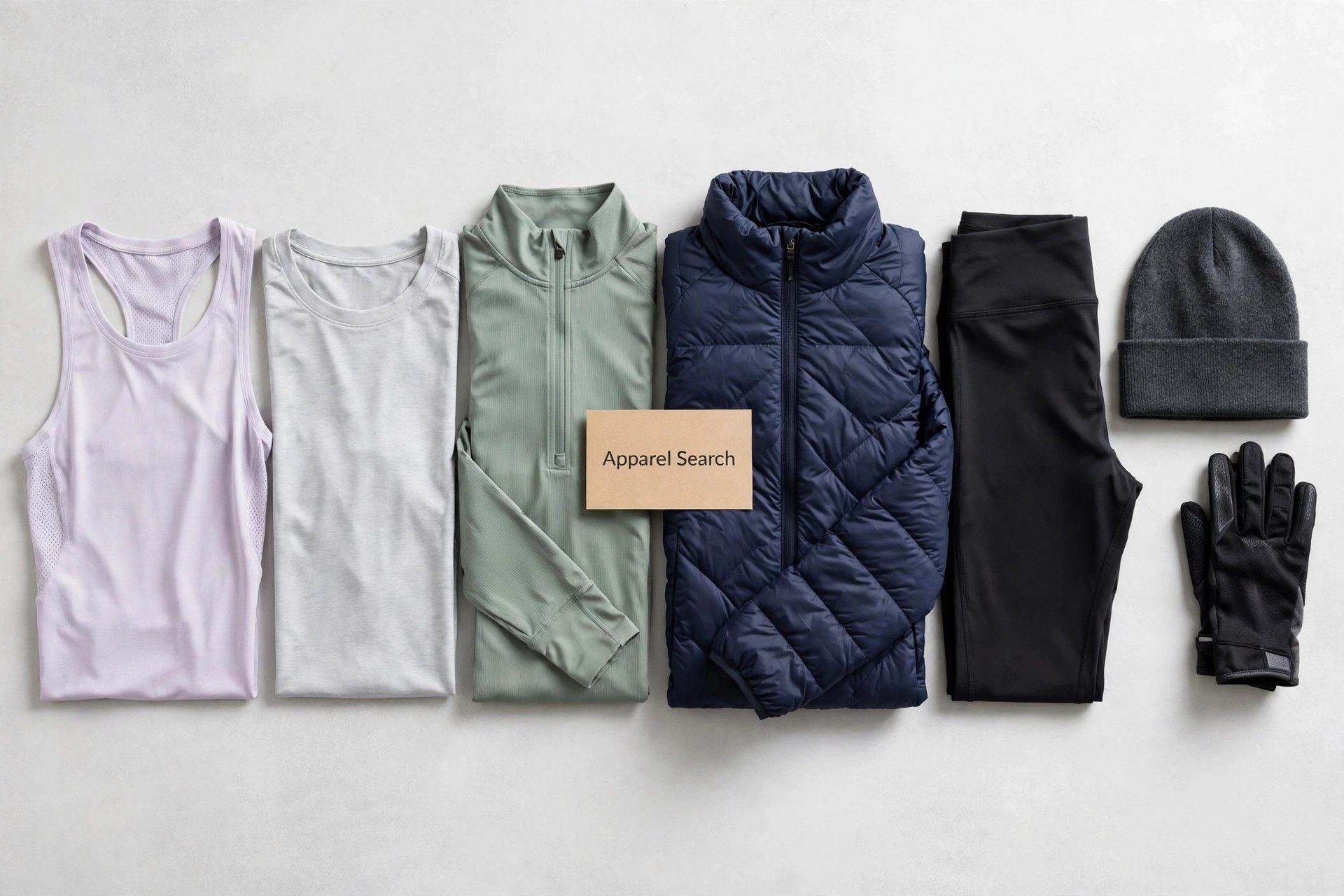
“What should I wear?” is the question every runner asks at the door, in every season. The answer follows a pattern: because a running body generates so much heat, runners dress for a temperature that feels roughly 10 to 15 degrees warmer than the thermometer reads — and then adjust for wind, rain and sun. This guide gives the pattern band by band. The temperatures are guidance drawn from common practice, not a rule: everyone runs warmer or cooler, and the right answer is always the one that has you slightly cool in the first mile and comfortable after it. It is part of our Running Apparel Guide.
Dress for Mile Two
The first minutes of a run are the coldest you will feel. By mile two your body is producing full heat, and every layer you added for the doorway becomes something to carry, tie around your waist or unzip. So choose the outfit for the warmed-up version of you: if you are perfectly comfortable standing outside before you start, you are probably wearing one layer too many.
The Temperature Bands
- Above 60°F (16°C) — singlet weather. A singlet or light tee and shorts; a cap or visor for sun; the lightest fabrics you own. In real heat, less is more, and light colors reflect the sun. Bottoms are covered in the shorts and bottoms guide.
- 50–60°F (10–16°C) — tee and shorts. A short-sleeve tee (or singlet for warm runners) and shorts. Cool mornings may start with gloves or arm sleeves that come off and tuck into a waistband later.
- 40–50°F (4–10°C) — long sleeves arrive. A long-sleeve top or a tee under a light layer; shorts still work for many runners, while others switch to capris or light tights. Light gloves and a headband appear here. This is the most versatile band — see tops and layers for the combinations.
- 30–40°F (−1–4°C) — full layers. A base layer under a long-sleeve top, tights, gloves and a hat or headband. A vest or light jacket on windy days. Legs move to tights for most runners in this band.
- 20–30°F (−7–−1°C) — the winter system. Thermal base layer, insulating mid layer, wind-resistant jacket, warm tights, hat and gloves. Exposed skin is the problem now, so coverage — not just warmth — drives the choices.
- Below 20°F (−7°C) — maximum coverage. The full system above plus a balaclava or neck gaiter, mittens over liner gloves, and the warmest tights you own. Shorten the route decisions, not the clothing. Our extreme cold dressing guide covers the layer science behind this band.
Adjusting for Wind and Rain
Wind strips heat faster than still air at the same temperature, so treat a windy day as roughly one band colder and reach for the wind-resistant layer: a shell jacket or vest over the same base you would otherwise wear. The layer order is explained in the tops and layers guide, and the weights in the base layer weights guide.
Rain changes the fabric rules more than the temperature ones. A light water-resistant jacket, a cap or visor to keep rain off your face, and no cotton anywhere — wet cotton is the coldest common fabric against skin. In warm rain many runners simply wear the singlet outfit and accept getting wet; in cold rain the shell becomes essential. The broader forecast-reading approach is in our dressing for the climate guide, and humidity specifically in what to wear in humid weather.
The Two-Minute Doorway Check
Check the temperature for when you will finish, not just when you start — early runs warm up with the day, evening runs cool down. Glance at wind and rain. Pick the band, subtract nothing for the warm-up you will generate (it is already built into the bands), and if you are deciding between two options, wear the lighter one and carry the gloves.
Shop Running Clothing on Amazon
Ready to shop? Product links are kept in one place on the Apparel Search shopping guide:
Shop Running Clothing on AmazonLayers are the purchase that pays off across the most bands — a base layer, a shell and gloves cover three temperature ranges at once.
Common Questions
Why do runners wear so little in cold weather?
Because running generates a great deal of body heat — far more than walking in the same clothes. An outfit that would feel thin on a walk feels right at running effort after the first mile, which is why the bands in this guide sit 10 to 15 degrees lighter than everyday dressing for the same temperature.
What is the first thing to add as it gets colder?
Gloves and something for your head. Hands and head are exposed, lose comfort first, and are easy to adjust mid-run — gloves tuck into a waistband and a hat comes off and carries easily. Tights and jackets come later in the sequence.
Should I wear tights or shorts in the 40s?
Either can be right; it is the most personal call in the bands. Runners whose legs stay warm keep shorts into the low 40s, while others switch to tights at 50. If your knees and legs feel stiff and cold through the whole run, move to tights a band earlier.
How do I dress for a run that starts cold and ends warm?
Wear layers you can remove and carry: a jacket that ties around the waist, gloves and arm sleeves that tuck into a waistband, and a base outfit chosen for the finishing temperature. Races solve the same problem with throwaway layers — see the marathon race day clothing guide.
The Running Apparel Guide
The full wardrobe system — fabrics, tops, bottoms, accessories and shoes — in one place.
Related Guides
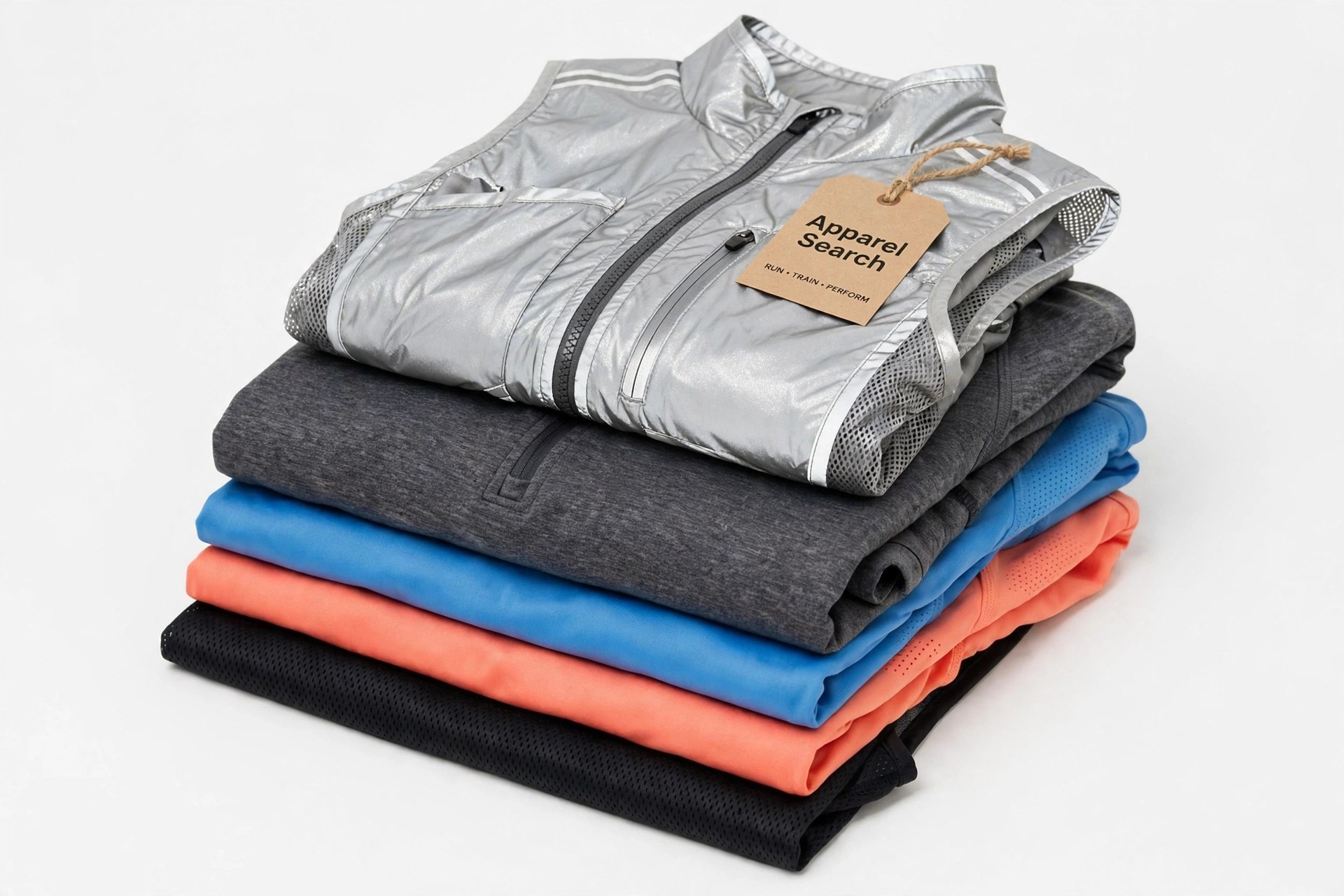 Running Tops & LayersHow the pieces stack: singlets to shells, in order.
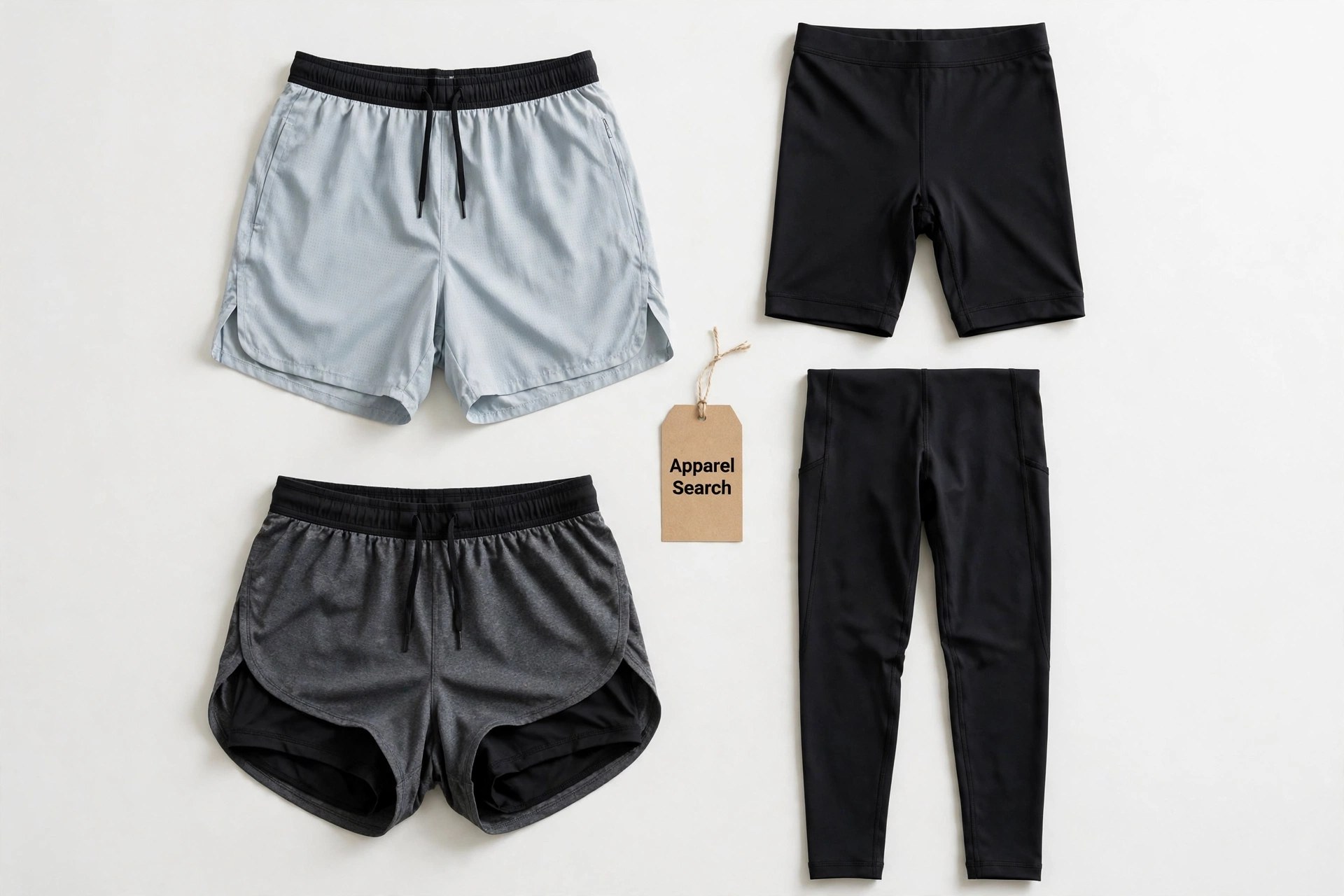 Running Shorts, Tights & BottomsWhen shorts end and tights begin, and everything between.
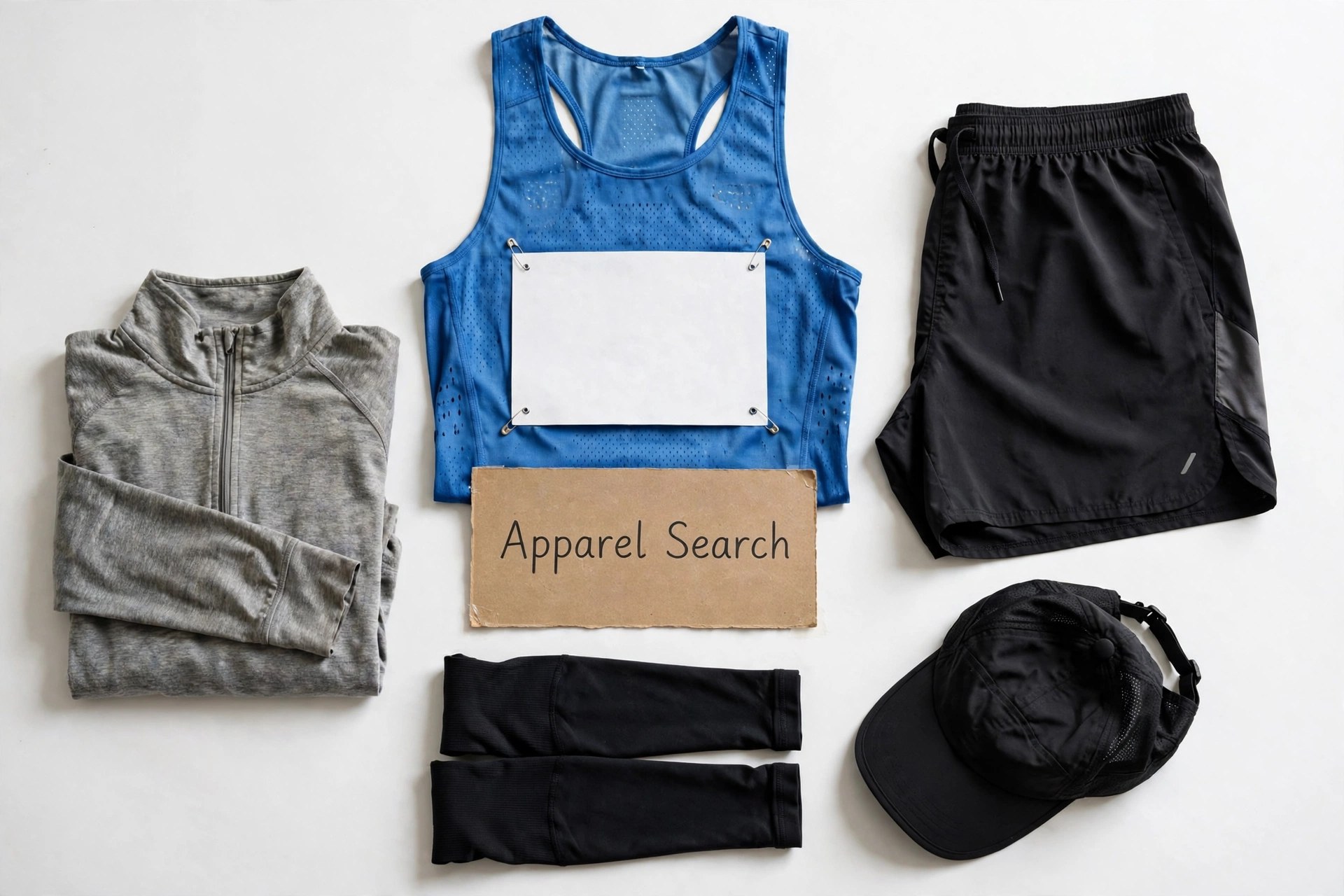 Marathon Race Day ClothingDressing for a forecast that changes over 26.2 miles.