Apparel Search Consumer Guides
Rectangle Shape Style Guide
A straight frame is a blank page — place the waist and curves where you like.
The rectangle shape runs straight: bust, waist and hips in close measure, no single line insisting on attention, the waist present but understated. In this part of our dress for your body type guide, that straightness is treated as what it is — freedom. Every other shape dresses to balance a feature it was given; this one gets to choose its features. Peplums, belts, layers and texture are the construction tools, and the waist and curves appear exactly where you decide to put them.
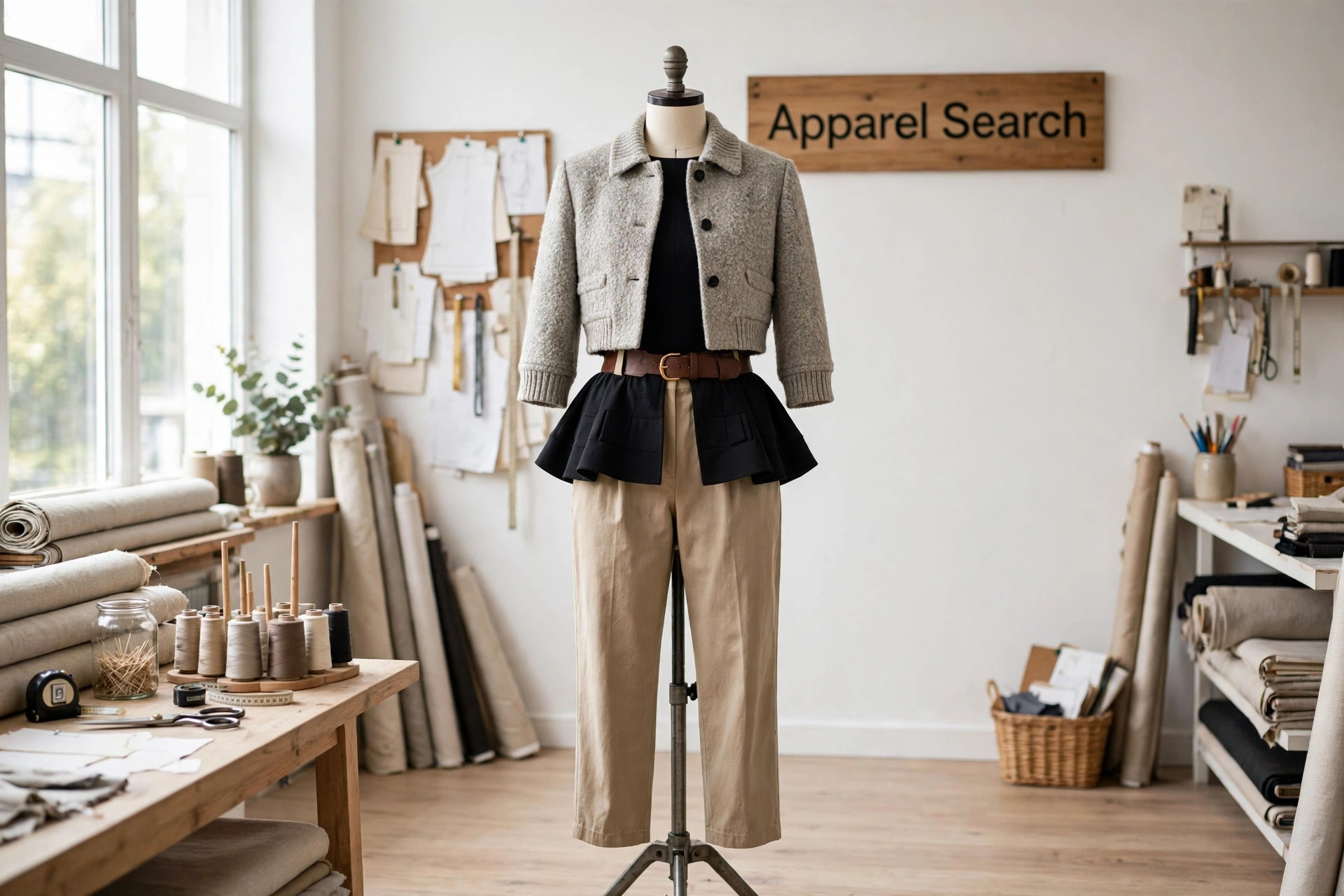
The Rectangle Shape at a Glance
The tape — method in the find your body type guide — shows three similar numbers and a waist only modestly smaller. Athletic builds land here often, as do younger frames before proportions redistribute. The shape's quiet advantage is versatility: tops, skirts and trousers in almost any cut are available to it, because the dressing task is not correction but composition. Where other guides begin with what to balance, this one begins with what to build.
Belts: Drawing the Waist
The belt is this shape's signature tool, because it manufactures the one line the frame left faint. Over a dress, a tunic or a long cardigan, a belt at the natural waist divides the straight column into two curves and tells the eye a story about what is underneath. Our women's belts guide covers the hardware; the styling is in the placement — the waist you draw should sit at your actual narrowest point, and the fabric above and below it should be allowed to soften over the belt rather than being hauled tight. A gentle blousing is what makes the drawn waist believable.
Peplums and Built-In Architecture
Some garments arrive with the architecture included. A peplum top flares from the waist and thereby asserts that a waist — and a hip curve below it — exists; fit-and-flare dresses run the same argument at full length. Seamed and paneled construction helps too: princess seams curve where the body, left alone, would not, and color blocking with a darker panel at the midsection draws the waist in shadow. These are honest illusions, standard practice in garment design for a century, and this shape wears them better than any other.
Layers and Texture
A single straight layer on a straight frame gives a column; two or three layers of different lengths give a silhouette. A cropped jacket ending at the waist, an open shirt over a fitted top, a long cardigan over a belted dress — each combination chooses where the lines break. The women's jackets in the clothes guide are the structural pieces of the system. Texture works alongside: nubby knits, quilting, ruffles and prints add visual dimension that flat fabrics cannot, and placed at the bust or the hip they suggest the curves the layers are framing.
The Shift Dress Question
The shift dress deserves its own word, because it is this shape's most natural garment and its most debated. Worn plain, a shift echoes the frame's straightness in a clean, modern line — a legitimate and elegant look with a long fashion pedigree. Belted, scarved or layered, the same dress becomes the canvas for the waist-building strategy above. Neither choice is the correct one; they are two different outfits that happen to share a dress, and the rectangle shape is the only one that can wear both without arguing with itself.
Between Two Shapes?
If your midsection is filling toward your bust measurement, you are nearing the apple guide and its vertical-line strategy. If your shoulders are broadening past your hips, the inverted triangle guide is your other neighbor. Rectangles borrow well in both directions.
Common Questions
What is a rectangle body type?
A rectangle shape runs fairly straight: bust, waist and hips all measure within a few inches of one another, and the waist is only slightly smaller than the rest. It is very common in athletic builds and in younger frames, and it has a real advantage — it can borrow styling from every other shape, because nothing about it needs balancing first.
How do rectangle shapes create a waist?
By drawing one: a belt at the natural waist over a dress, top or coat; a peplum that flares from the waist and implies the curve beneath it; color blocking with a darker band at the middle; or a half-tuck that breaks the straight line. The waist appears where the outfit says it is, and the eye believes the outfit.
What dresses suit a rectangle shape?
Fit-and-flare and peplum dresses, which arrive with a waist and a flare built in; belted shirt dresses and shifts, where the belt supplies the definition; and wrap styles, which draw a diagonal across the straight frame and tie at the middle. A plain straight shift worn unbelted is the one style that simply echoes the frame — lovely if that is the look you want.
Are layers good for rectangle shapes?
Yes — layers are this shape's construction kit. A cropped jacket ending at the waist, a long open cardigan over a belted top, a scarf or statement necklace at the chest: each layer interrupts the straight line at a chosen point and builds the impression of architecture. Vary the lengths, and the silhouette gains the dimension a single layer cannot give it.
Back to the Dress for Your Body Type Guide
Five shapes, one principle: proportion. Find yours, and getting dressed gets simpler.