Apparel Search Consumer Guides
Dress for Your Body Type
Five shapes, one principle: proportion. Find yours, and getting dressed gets simpler.
Every fitting room has heard the same complaint: the dress looked wonderful on the rail and ordinary on the body. Nine times out of ten, the dress is not the problem and neither is the body — the proportions are simply arguing with each other. Clothing is cut on geometric lines: seams, hems, waistbands and necklines all draw horizontal and vertical markers across the frame. When those markers sit in balance with the body's own widest and narrowest points, an outfit looks composed. When they fight, nothing quite settles. Body type is the shortcut to that balance.
This guide gathers the Apparel Search pages written for the five classic shapes. Start with our find your body type guide if you have never taken the three measurements that name a shape, then read the guide for your shape — and the neighboring one, because most women live between two. The garment-by-garment detail lives in our women's clothes guide; these pages cover how to choose and combine those garments for your frame.
Search Apparel Search
The Five Shapes at a Glance
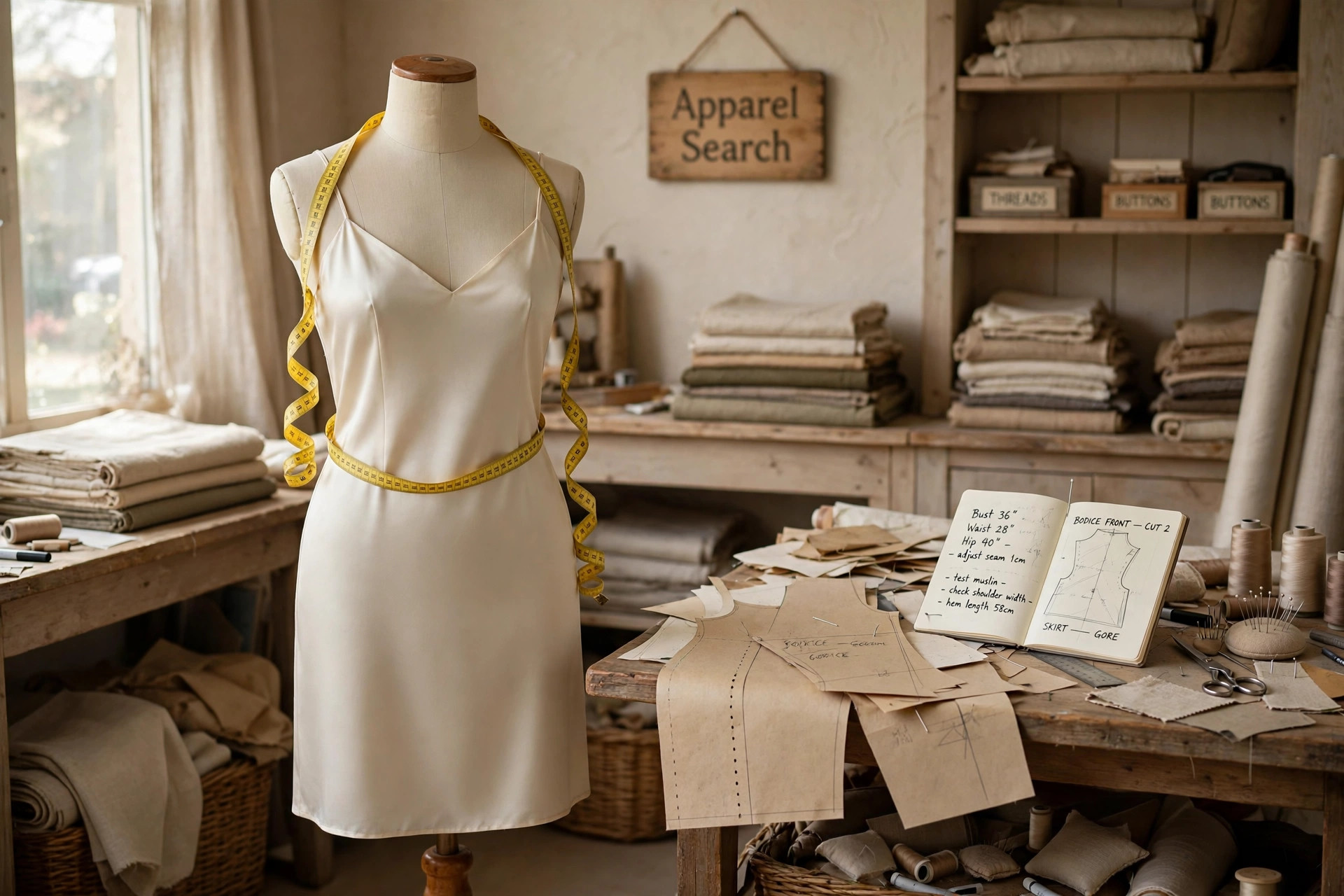 Find Your Body TypeThree measurements — bust, waist and hips — compared honestly. How to measure, how to read the result, and what to do when you fall between two shapes.
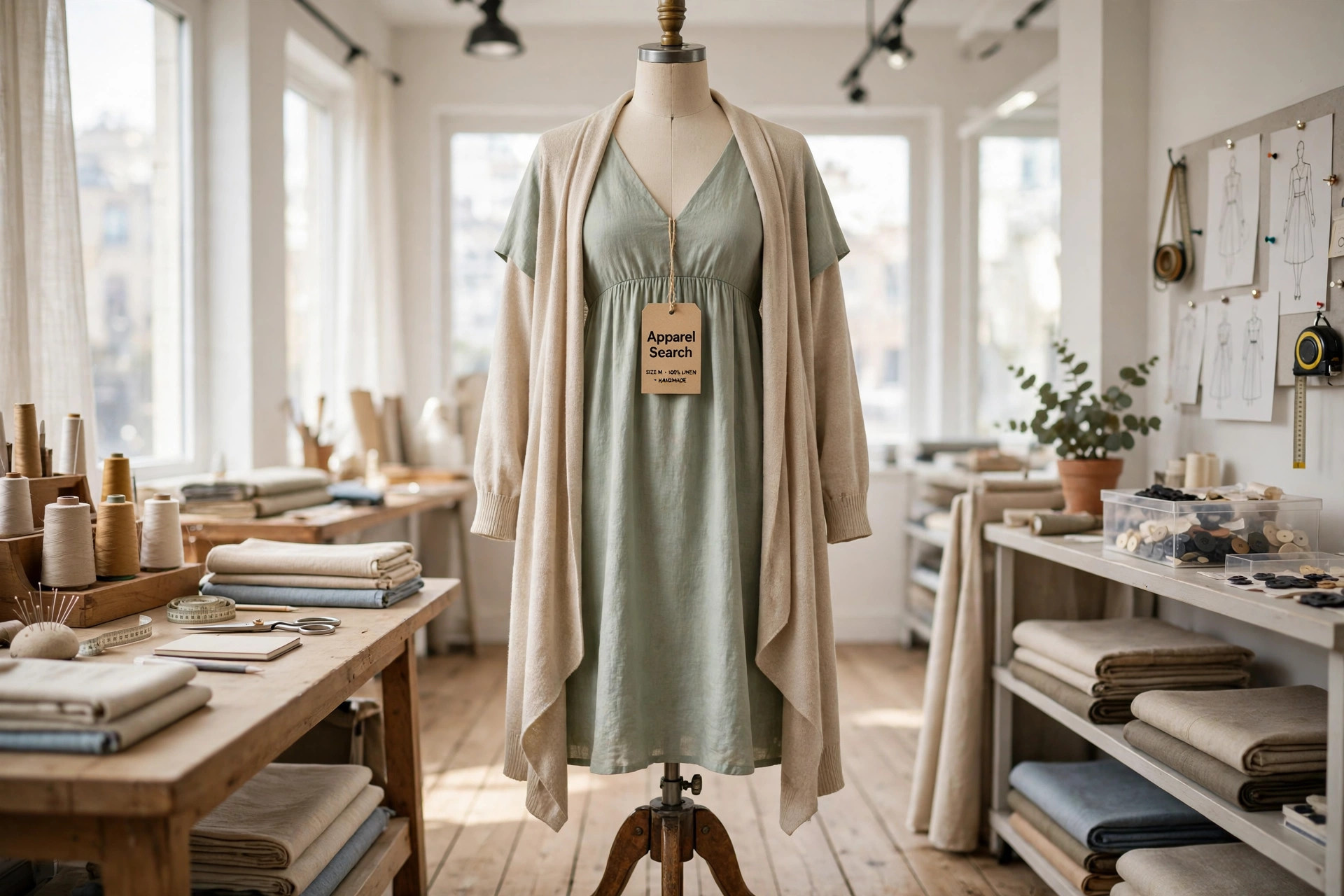 Apple ShapeFullness through the bust and midsection. Empire lines, open layers, V-necks and structured shoulders lengthen the torso and let great legs show.
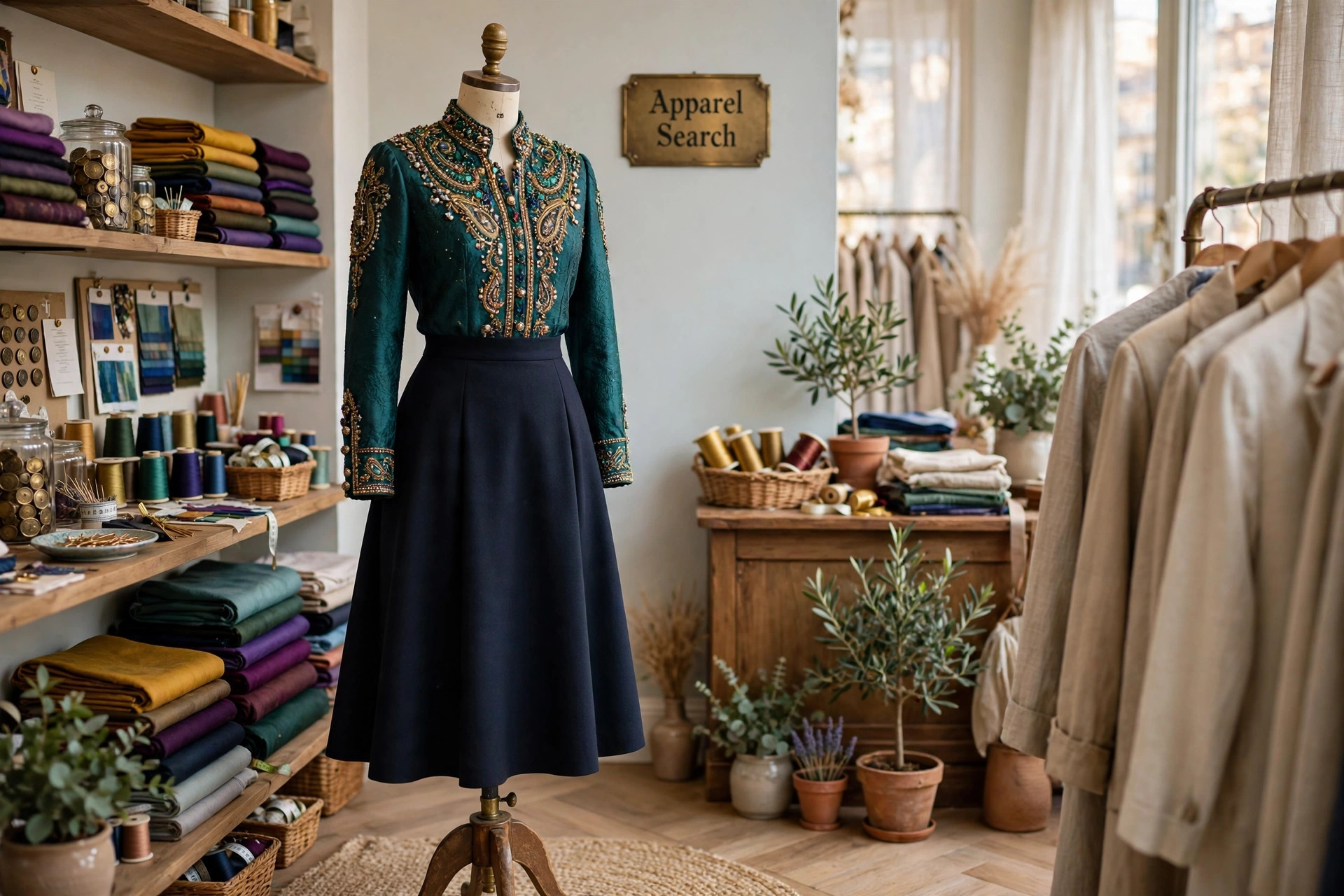 Pear ShapeWidest at the hips, with a defined waist. Interest and structure up top, A-line skirts and smooth, darker bottoms bring the frame into balance.
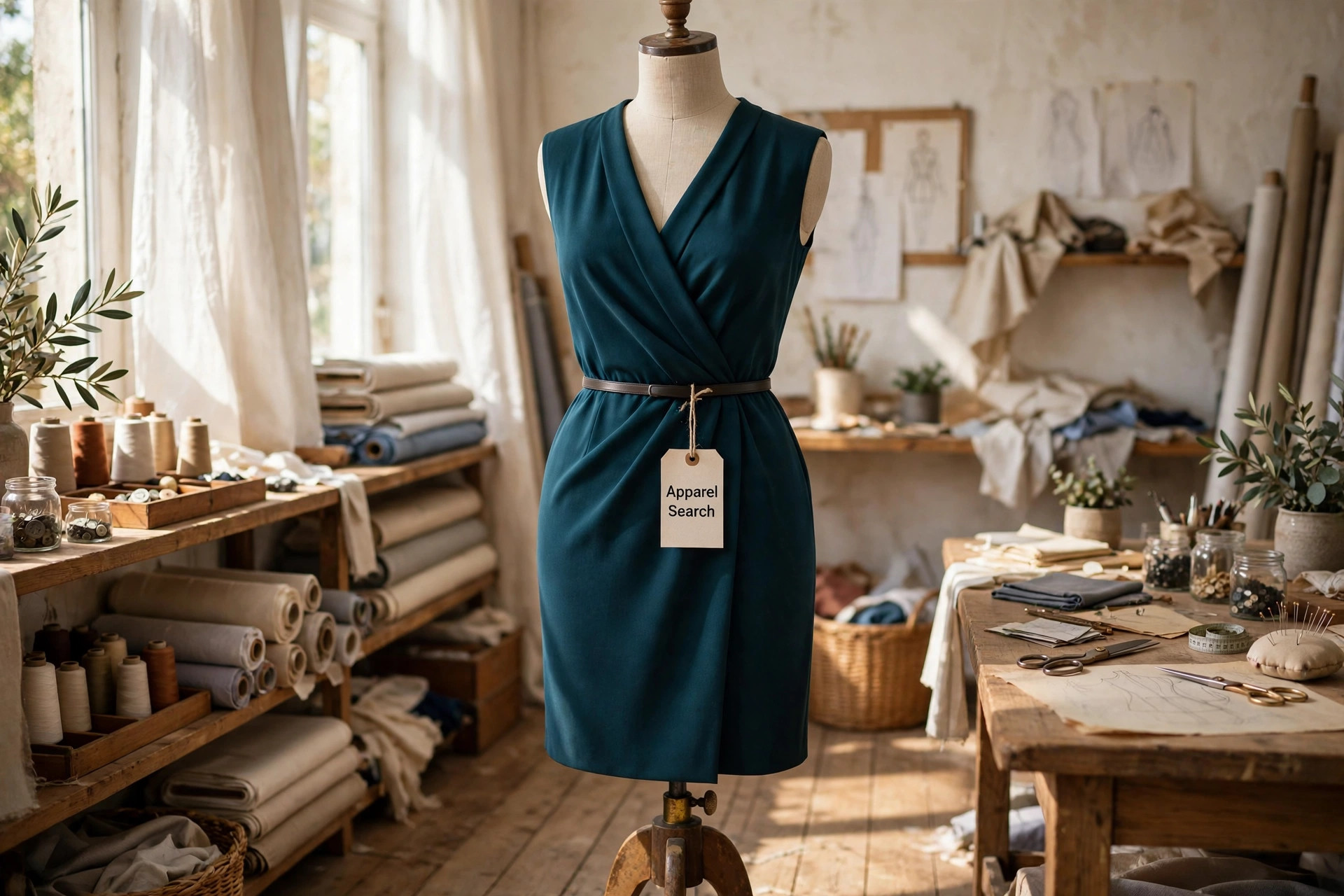 Hourglass ShapeBust and hips in balance, waist clearly defined. Wrap styles, belts and fabrics that follow the frame's own lines — fitted, never tight.
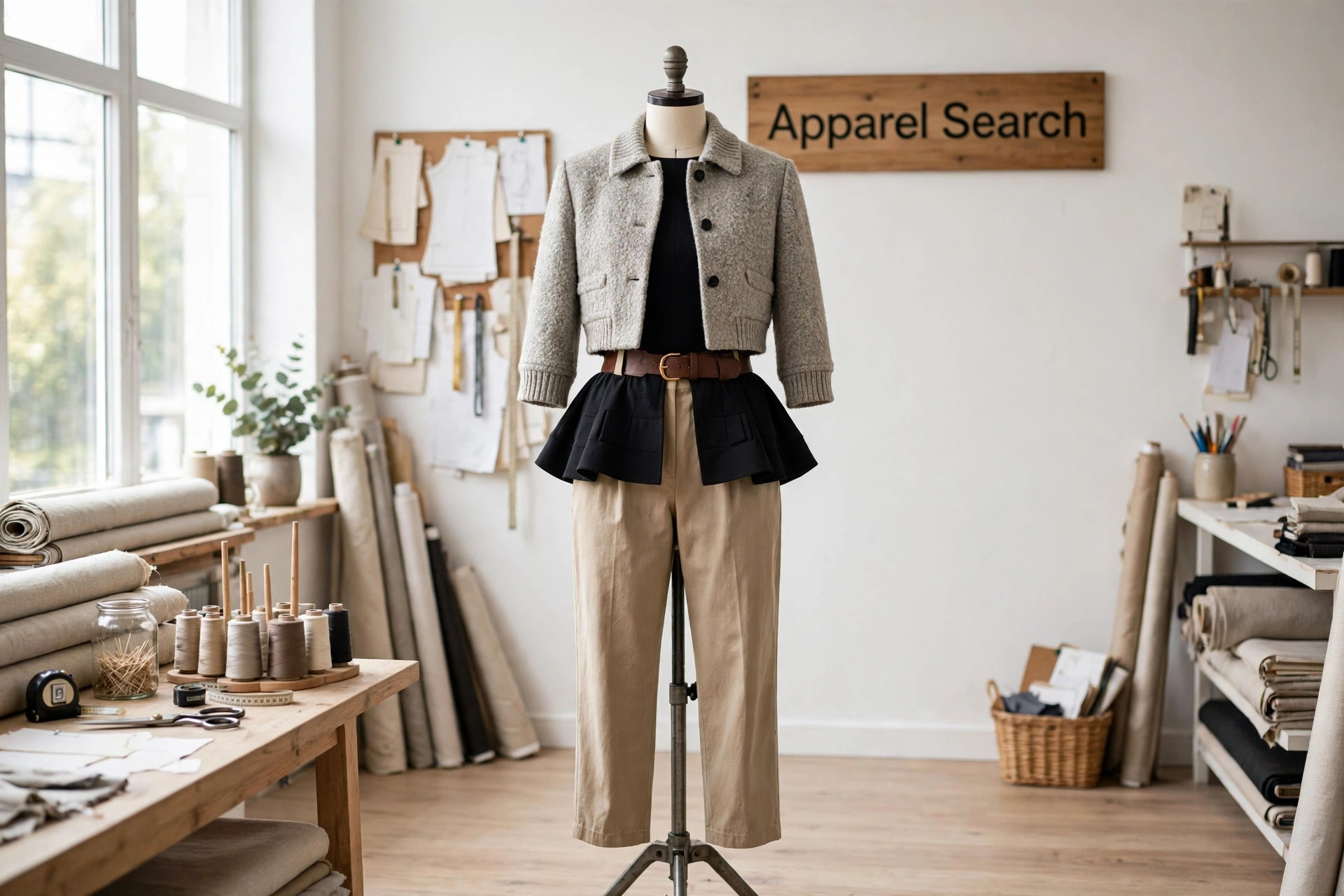 Rectangle ShapeA straight, often athletic frame. Peplums, belts, layers and texture build a waist and curves exactly where you want them.
 Inverted Triangle ShapeShoulders broader than hips. Clean, soft shoulders up top and volume, color and detail below the waist restore the balance.
Why Proportion Works
The eye reads an outfit the way it reads a picture: it looks for balance. Volume placed high on the frame reads as presence; volume placed low reads as grounding; a strong horizontal line — a belt, a hem, a contrasting waistband — tells the eye where to pause. Dressing for your body type is simply the deliberate placement of those signals. If your hips carry the widest line, a shoulder with a little structure answers it. If your midsection carries it, an uninterrupted vertical line lets the eye travel past. Nothing is disguised; the composition is arranged.
Fabric is the quiet half of the system. The same silhouette in a stiff fabric stands away from the body and adds visual weight; in a fluid fabric it skims and follows. Each shape guide names the fabrics that cooperate with its strategy, because a perfect cut in the wrong cloth is only half a solution.
Proportion in Four Moves
- Measure honestly. Three numbers — bust, waist, hips — taken with a soft tape over close-fitting clothes. The find your body type guide shows exactly where each one goes.
- Name the widest line. Shoulders, bust and midsection, or hips: whichever line is widest is the one the rest of the outfit answers.
- Place the balance. Add interest where the frame is narrower, keep lines smooth where it is widest, and decide where your waist emphasis — if any — will sit.
- Fit before fashion. A balanced design in the wrong size still fails. Shoulders that sit on the shoulder, waistbands that stay put and hems at strong points of the leg matter more than any trend.
Go Deeper in the Women's Clothes Guide
A Starting Point, Not a Box
A shape label is a working hypothesis, not an identity. Bodies blend categories, and they change across decades — which is why this section's companion pages in our education section, including how to pick clothes for your body shape and the body measurements walkthrough, approach the same subject from the measuring side. Read your shape's guide, borrow freely from its neighbors, and keep whatever works in your own mirror. The mirror outranks the label every time.
One distinction runs underneath everything on this page: shape describes where your width sits, but stature describes your proportions of length — and the two are separate questions. Readers whose length proportions differ from the standard pattern — little people and adults of short stature — will find the same proportion thinking applied to line, print scale and waist placement in our short stature style guide, with fit and sources covered in the little people & short stature clothing guide.
Common Questions
What are the five main body types for women?
The five classic shapes describe where your proportions are widest. Apple shapes carry their fullness through the bust and midsection. Pear shapes are widest at the hips, with a defined waist. Hourglass shapes have bust and hips in balance with a clearly defined waist. Rectangle shapes run fairly straight, with bust, waist and hips close in measure. Inverted triangle shapes are widest at the shoulders. Most women blend two shapes rather than matching one exactly.
How do I find my body type?
Take three tape measurements — bust, natural waist and hips — and compare them. The pattern of the comparisons, not any single number, names the shape. Our find your body type guide walks through the measuring and the comparisons step by step, including what to do when your numbers sit between two shapes.
Does dressing for my body type mean hiding parts of my body?
No. Dressing for your shape is about proportion and emphasis: choosing where the eye lands and keeping the top and bottom halves of an outfit in balance. Nothing about any shape needs hiding. The guides in this section treat every shape as a frame to dress well, not a problem to correct.
Can my body type change over time?
Yes. Weight changes, muscle, pregnancy and menopause all shift where the body carries its proportions, and a shape identified at 25 may read differently at 55. Re-measure every few years, or whenever your clothes start behaving as if they belong to someone else, and borrow from the neighboring shape guides whenever your numbers move.
Not Sure of Your Shape?
Five minutes with a tape measure settles it. Our find your body type guide takes the three measurements, reads the comparisons with you, and points you to the right shape guide — including the very common case of landing between two.