Apparel Search Consumer Guides
Men’s Style by Height & Build
Standard menswear is patterned on one narrow frame. Step off it in either direction — shorter, taller, broader, narrower — and the same size label starts hiding the wrong proportions. These guides work the two fixes: length, and shape.
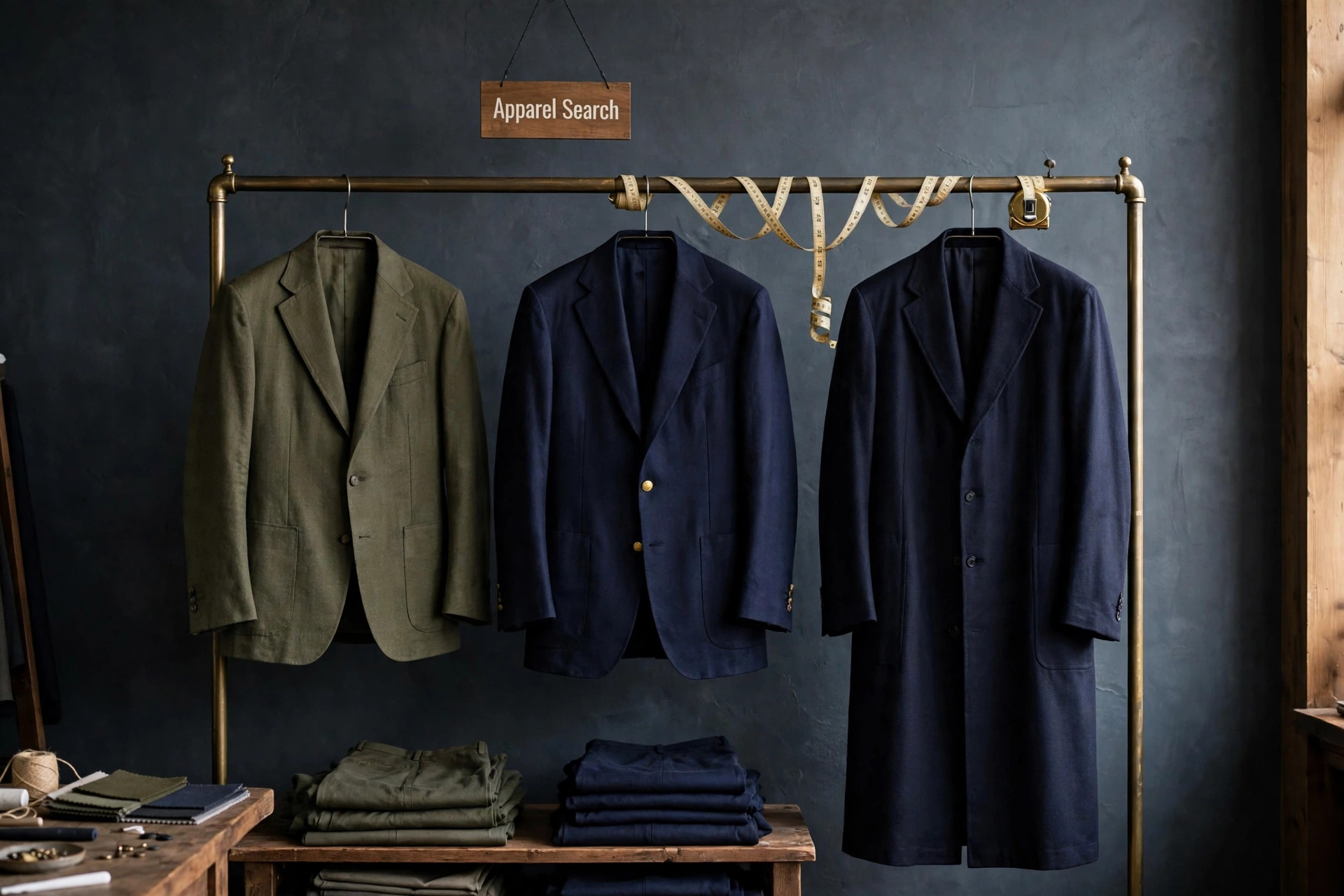
Almost every man who struggles with fit is told the same thing: try another size. But size is mostly a width word. A size chart takes a man of about five foot nine or ten, of average build, and scales him — and a man who is five foot five, or six foot four, or built like a rower, or built like a prop forward, is not a scaled version of that pattern. His proportions differ, and proportions are what these guides are about. They sit alongside the garment-by-garment directories in our men’s clothes guide and answer the question those directories cannot: given your frame, which version of the garment should you be looking for?
Search Apparel Search
Two Axes: Length and Shape
Height and build are separate problems, and confusing them is where most bad purchases start. Height is the length axis. It decides rise, inseam and trouser break, jacket and sleeve length, shirt body length, and the scale of patterns and details. Build is the shape axis. It decides where width sits — shoulders, chest, waist, hips — and therefore which cut, drape and emphasis will look deliberate rather than accidental. A short, broad man needs short lengths in a wide cut; a tall, slim man needs long lengths in a narrow one. Neither is served by simply sizing up or down, because sizing moves both axes at once.
Length Is Not Width
Our big and tall clothes guides work the width axis garment by garment: big sizes add circumference for men who need room. Tall dressing is the other axis — length, for men who may need no extra room at all. The two overlap in the same shops, which is exactly why they are so often confused; the doctrine page of that collection states it plainly: the axes solve different problems and are not interchangeable. This cluster covers the length axis and the shape axis; the big and tall collection covers circumference.
The Four Numbers That Decide Fit
- Inseam. The leg measurement everything below the waist hangs from. It decides whether trousers break once, pool, or stop short — and it is a number, not a trouser size, so it transfers between brands.
- Rise. The distance from waistband to crotch seam. Rise decides where trousers sit and how long your legs read; it is the measurement standard patterns get most wrong at both ends of the height range, and the one a tailor cannot change.
- Sleeve length. Neck to wrist, and the difference between a shirt that fits and one that looks borrowed. Short fittings shorten it; tall fittings add to it; regular patterns assume the average arm.
- Back length. The jacket and coat measurement, collar to hem. It decides whether a jacket covers the seat and stops, runs long, or rides short — the single most visible proportion on a dressed man.
Take the four numbers once, honestly, and keep them. Our body measurements guide walks through taking them, and the sizing and fit guide explains how labels translate them — or fail to.
The Three Guides
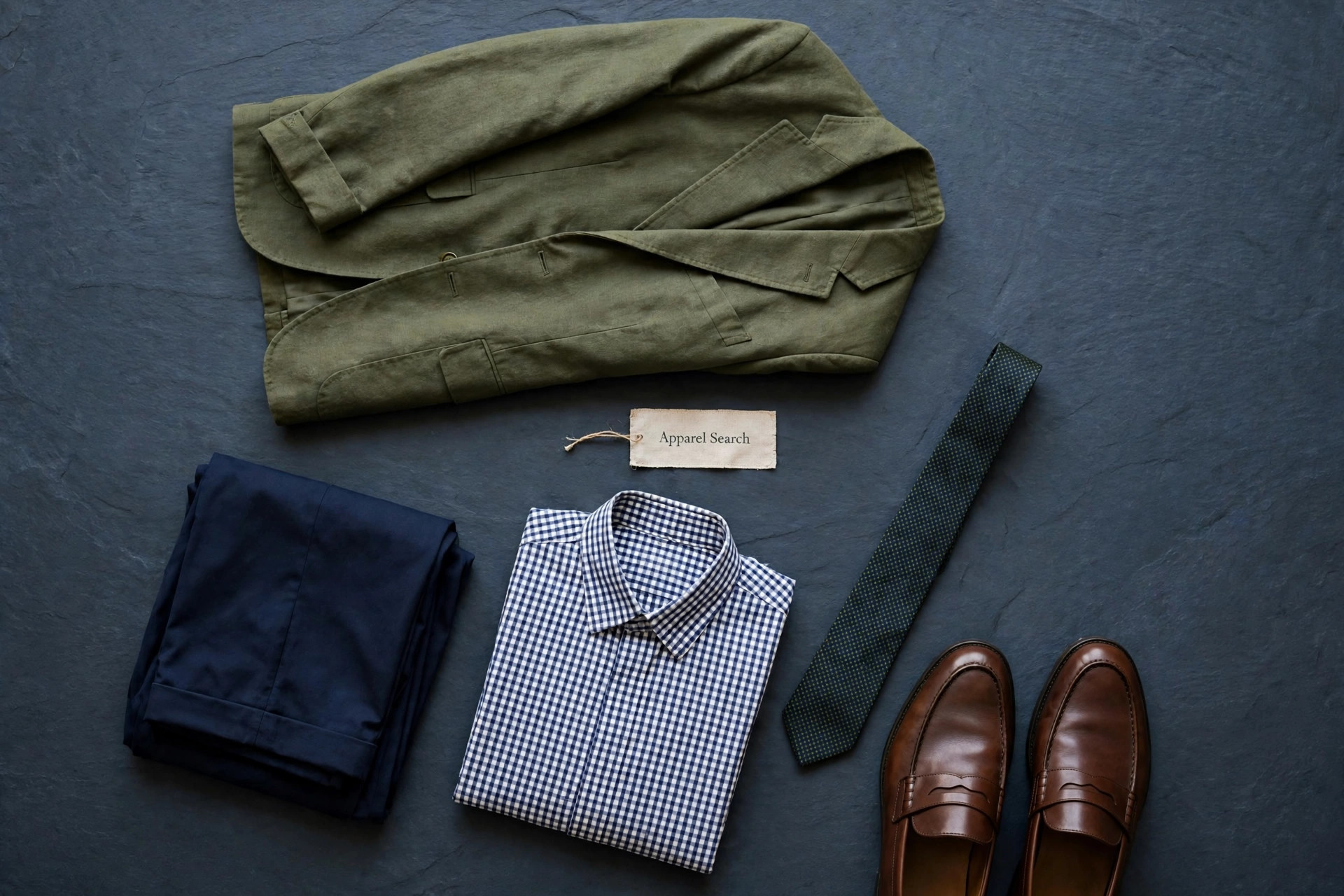 Style Guide for Short MenThe proportion rules — rise, break, jacket length, pattern scale — plus where short sizes are actually sold and the tailoring jobs worth paying for, in order.
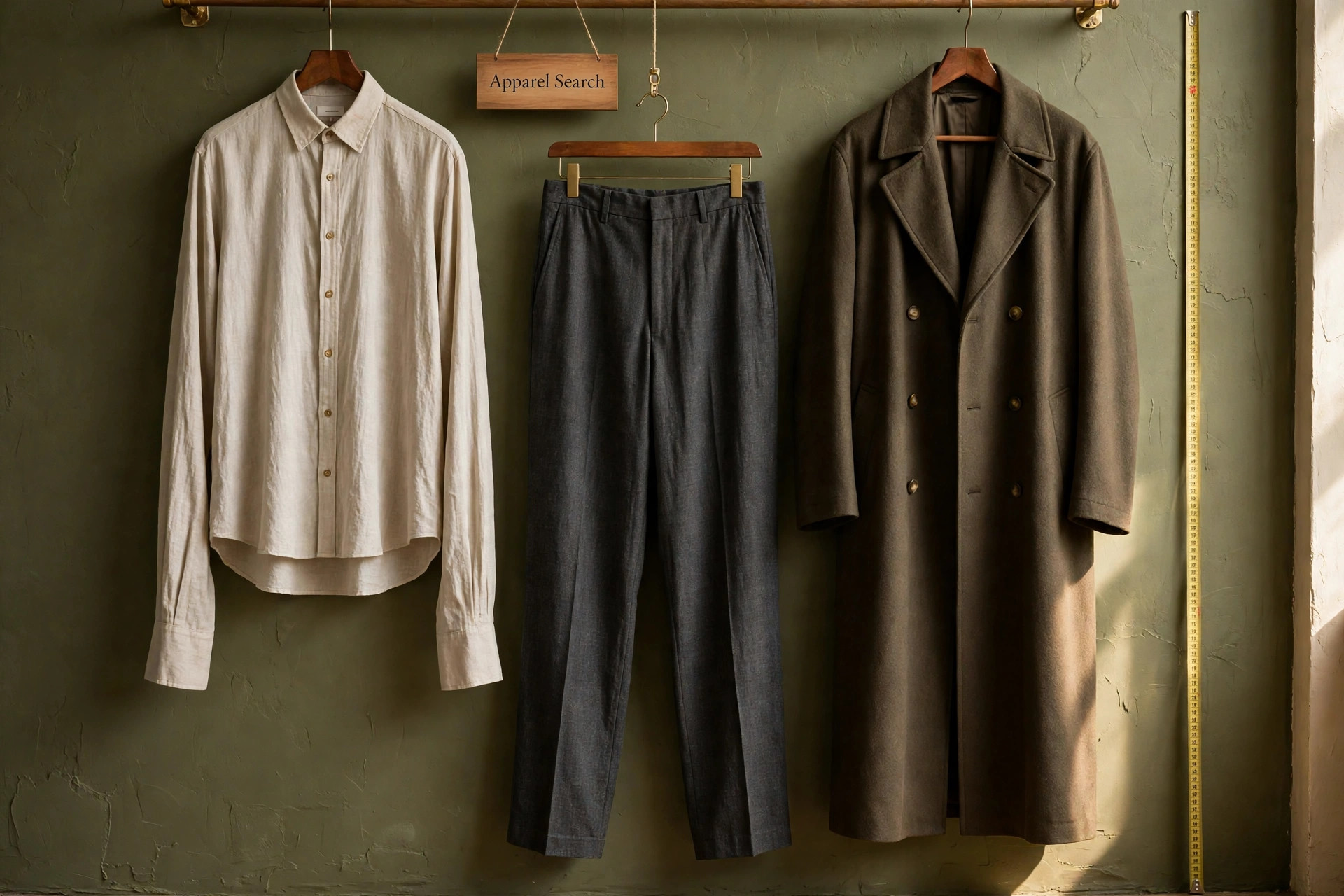 Style Guide for Tall MenExtra-long sizing decoded (LT, XLT, Long suit lengths), the length checks that matter, and the tailor’s hard limit: length cannot be added, only bought.
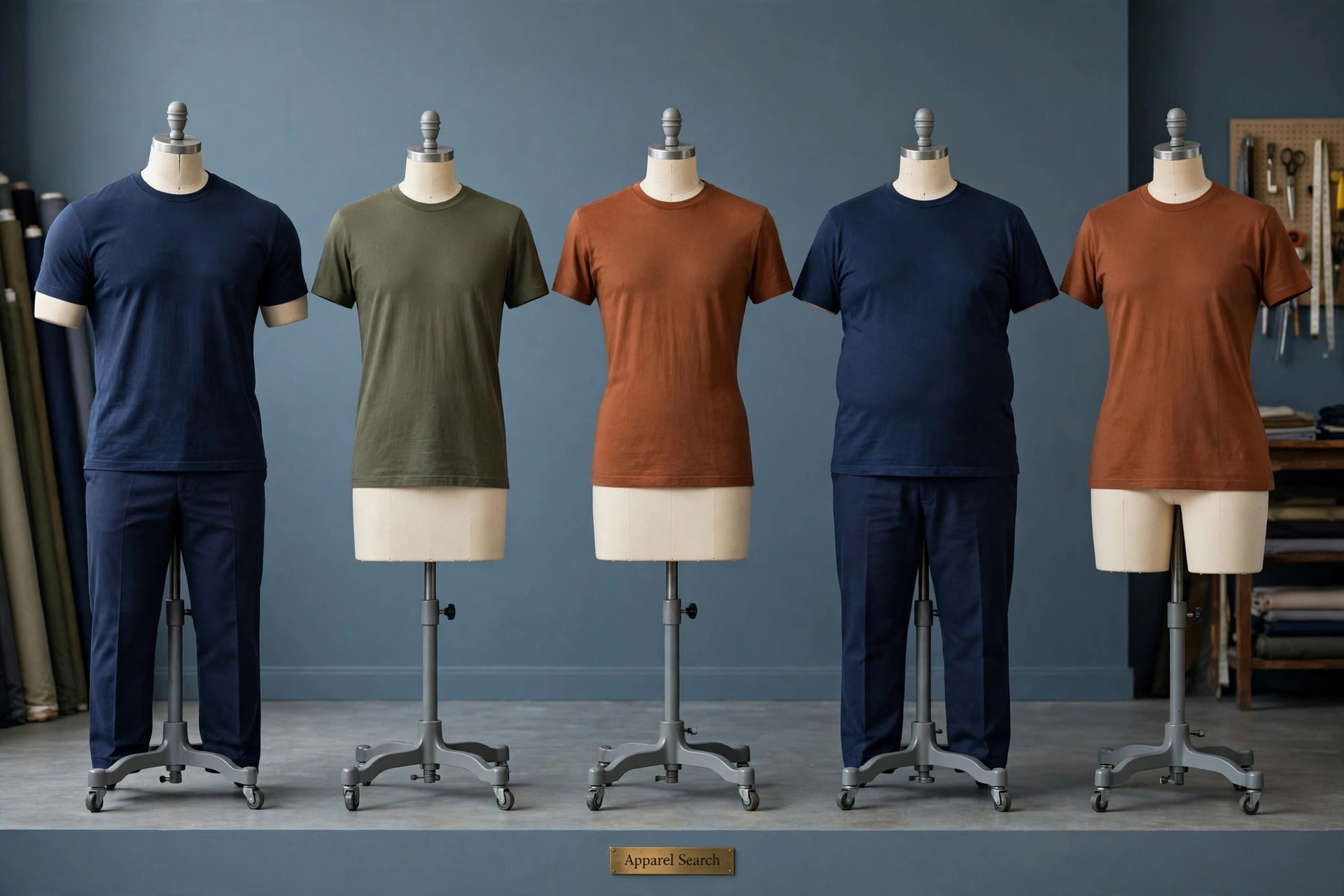 Men’s Body Types & BuildsThe five-shape framework for men — trapezoid, inverted triangle, rectangle, oval, triangle — what each shape is, and what each one wears best.
Where This Family Connects
Height and build run through the rest of our men’s guides. The suit fit guide gives the underlying fit points every frame shares; the trouser break and pant length guide works the hem decision in detail; and the men’s wardrobe essentials guide builds the core list these proportions then adjust. Women meet the same two axes from the other side: our short stature style guide and tall women’s fashion guide work height for women, and the dress for your body type guide is the companion to the men’s shape guide here.
Shop Men’s Wardrobe Basics on Amazon
Short and tall sizes, wardrobe staples and tailoring basics for every height and build are all stocked on Amazon.
Shop Clothing on AmazonThis link opens the Apparel Search shopping guide for Amazon, where the product links are kept in one place.
Common Questions
What height counts as short or tall for men’s clothing?
Retail patterns draw the lines at roughly five foot eight and six foot two. Short suit lengths and short fittings are patterned for men under about 5’8”, and tall ranges (LT, XLT, Long suit lengths, 36- and 38-inch inseams) start at about 6’2”. Between those lines, regular sizes plus a tailor cover most men; outside them, proportion — not size — is what needs solving, and that is what the guides in this section do.
Is big & tall the same thing as tall sizing?
No. Big sizes add circumference; tall sizes add length. A tall, slim man who buys big & tall gets the length wrapped in width he does not need, and a broad man who buys a regular long length gets sleeves and body he cannot use. Many shops stock both ranges side by side, and tall men often have to shop in big & tall departments to find the length — but the two labels solve different problems.
Can a tailor fix regular clothes for a short or tall man?
Asymmetrically. A tailor can take length away — hemming trousers, shortening sleeves, and within limits shortening a jacket — so shorter men can often rescue regular clothes. A tailor cannot add length beyond the small allowance folded into hems and cuffs, usually an inch or less, so tall men must buy the length in the garment. The full picture is in our clothing alterations guide.
Do height and build rules apply to casual clothes too?
Yes — the axes are garment-independent. Rise and break decide jeans and chinos exactly as they decide suit trousers; body length decides whether a T-shirt or knit stays tucked and where it ends; pattern scale reads the same on a casual shirt as on a dress shirt. Tailoring makes the rules easiest to see, but the proportions are the same in a T-shirt and jeans.