Apparel Search Consumer Guides
School Uniform Buying Guide
The school chooses the uniform; the parent buys it well. Dress code first, then the wardrobe, the quantities, the fit and the budget — in that order.
Most clothing is chosen; a school uniform is specified. The school sets the colours, the pieces and sometimes the supplier, and the parent’s job is everything after that: buying the right pieces, in the right quantities, in a fit that survives a growth spurt, at a total that survives the receipt. That job is a process, and it has an order. This guide walks it end to end, with a page each for the checklist and quantities, for sizing and growth, and for making the whole set last the year. For the garments themselves — what a polo, a skort or a school blazer actually is — start with the children’s uniforms guide, which covers the specified wardrobe piece by piece.
Search Apparel Search
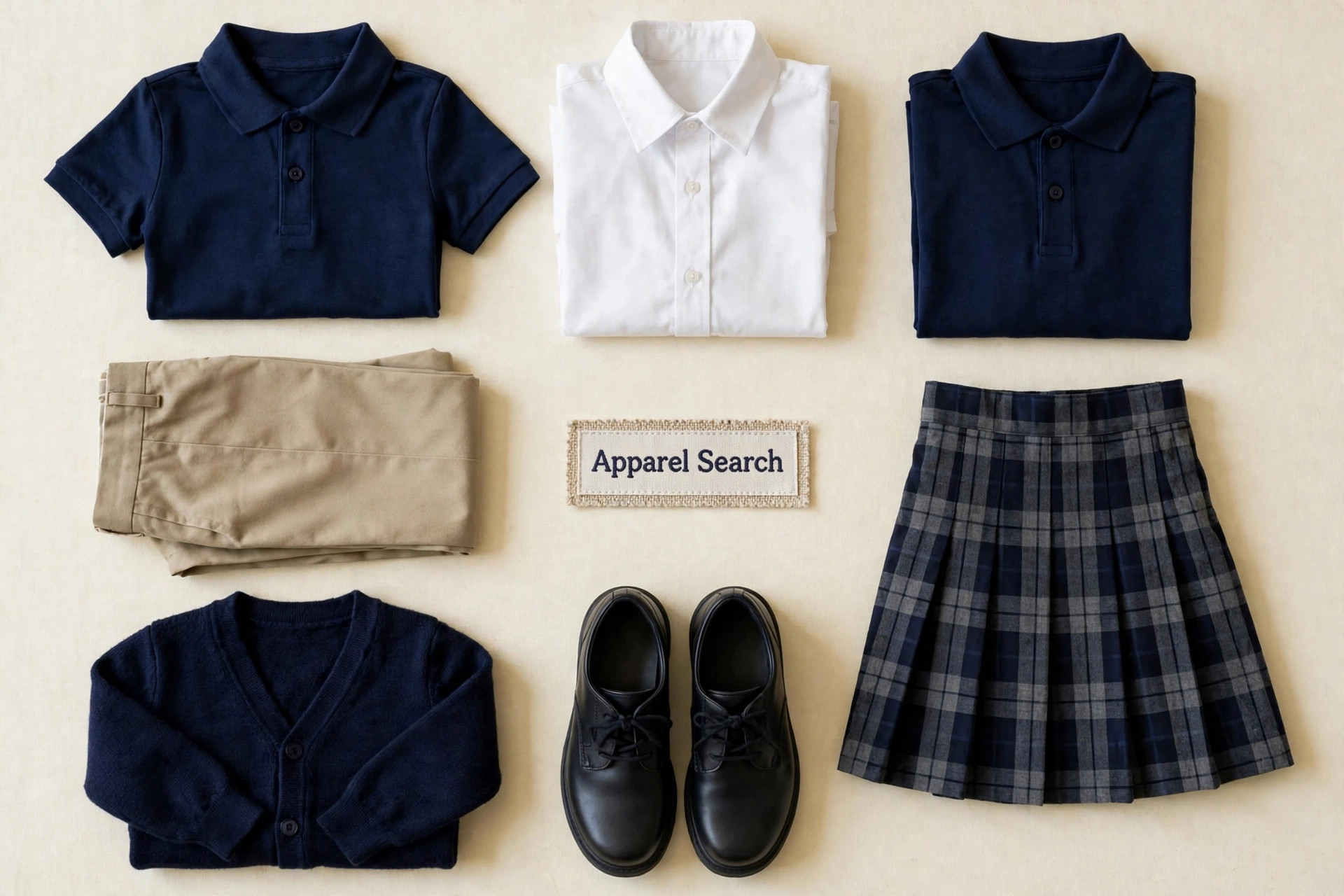
The Guides in This Section
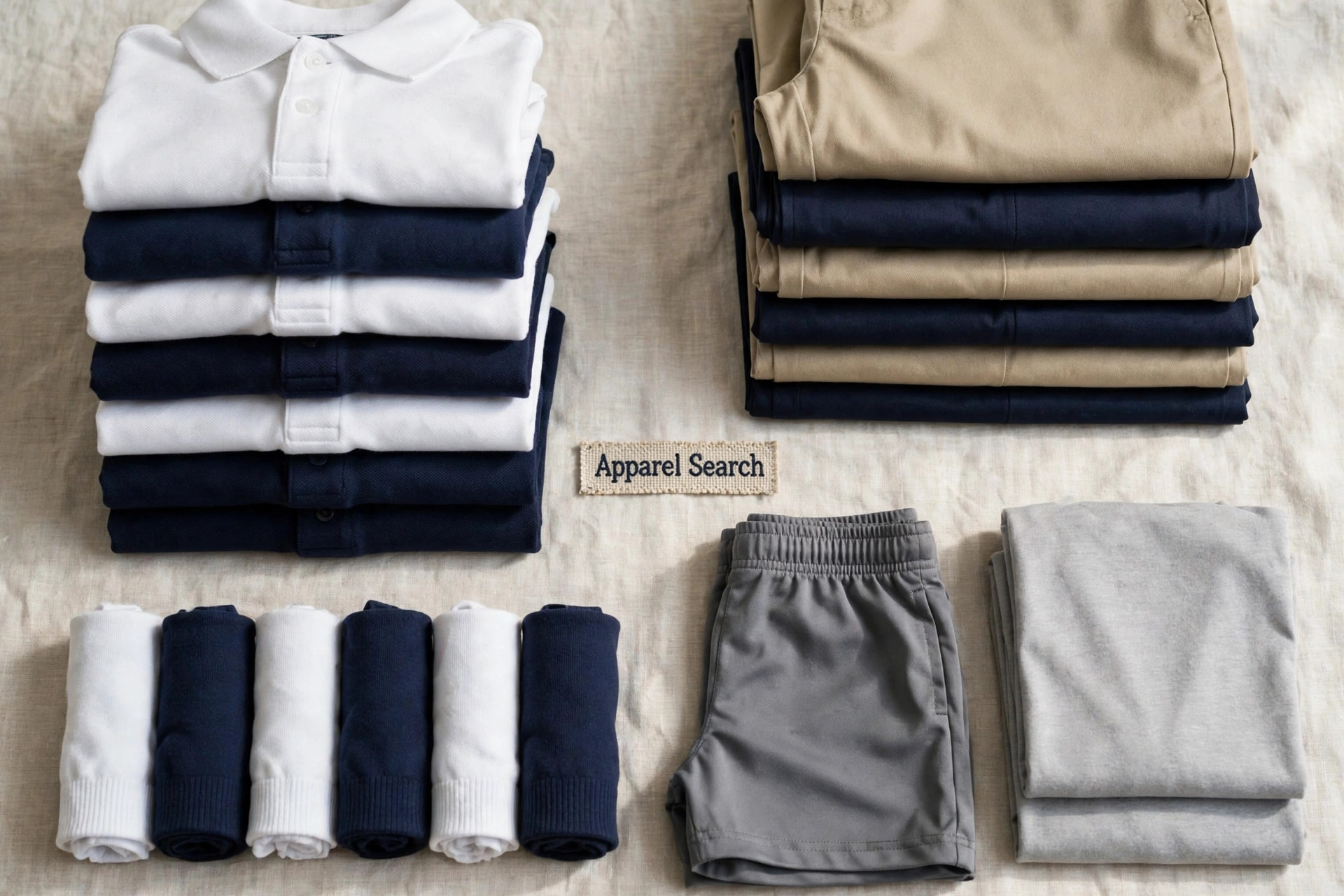 Checklist & QuantitiesHow many of each piece a child actually needs — tops, bottoms, PE kit, socks and shoes — counted against how often your household washes.
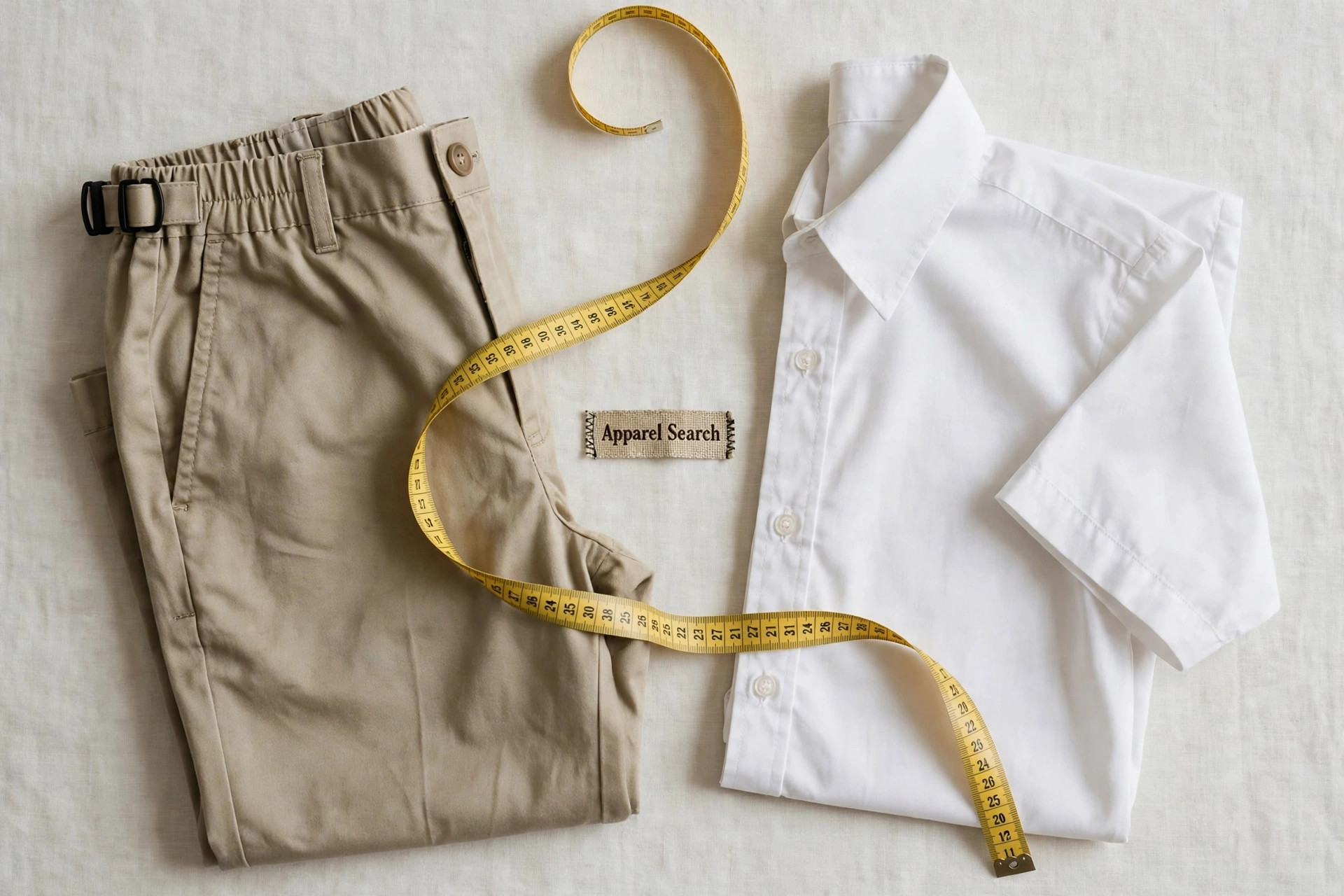 Sizing, Growth & FitMeasuring a child for uniforms, the growth-room strategies that work — adjustable waists, let-down hems — and the fit checks a parent can do at home.
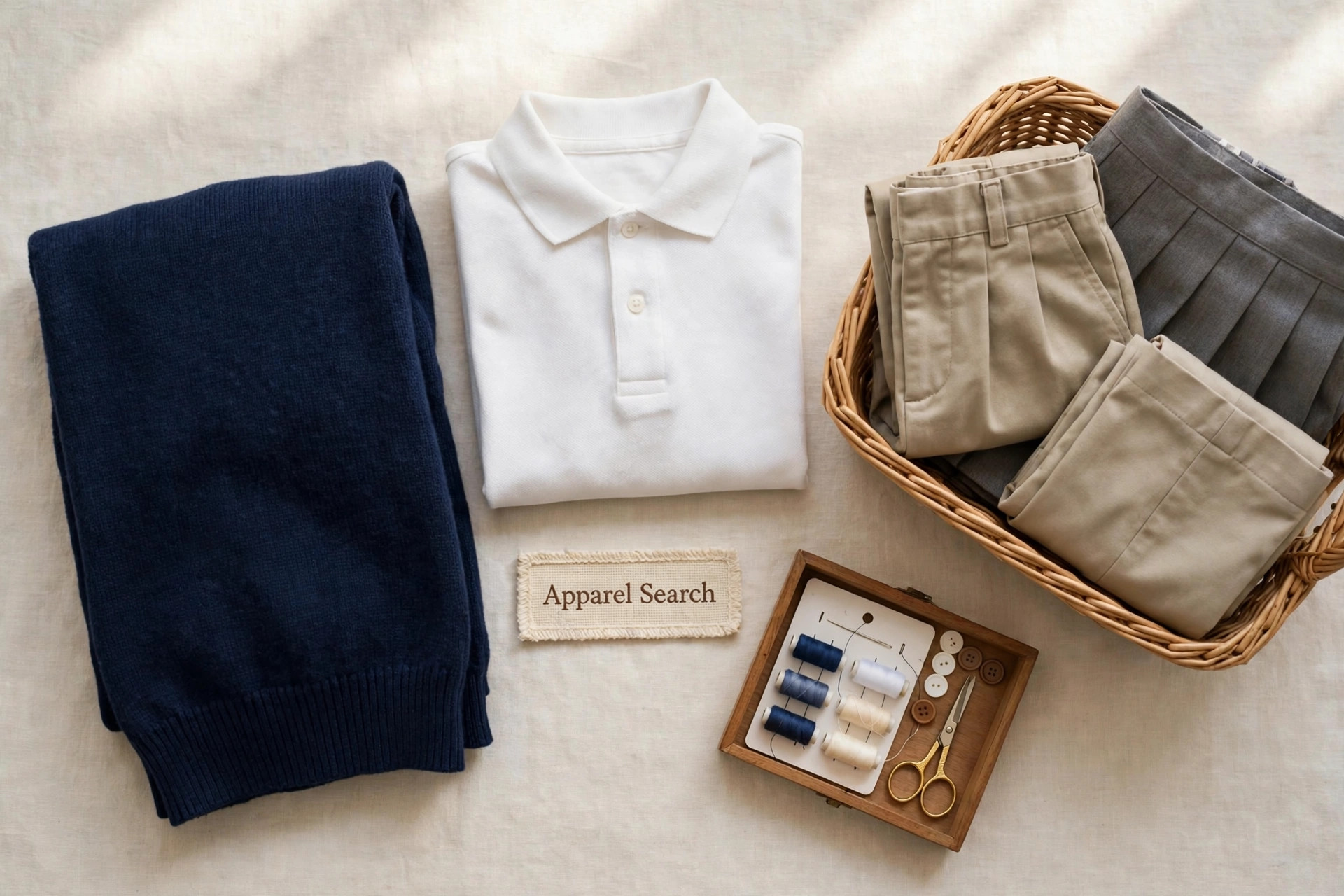 Making Uniforms LastDurability features, rotation, same-day stain habits and small repairs — how a uniform set gets through the school year and into the hand-me-down round.
The Buying Process, in Order
- Read the dress code first. Before any shopping, get the school’s current uniform policy — from the school, not from last year’s memory of it. Note which pieces are required, which are optional, which colours are exact, and which items must come from a named supplier. Our school uniform definition page explains how uniform policies are usually structured.
- Build the wardrobe list. Turn the code into a list of actual garments: the everyday tops and bottoms, the layer for cold classrooms, the PE kit, the socks and shoes, and any formal pieces — blazer, tie, dress shoes — that the code requires on set days.
- Set quantities by your laundry rhythm. The right number of each piece is a washing question: how many school days pass between your laundry days, plus a spare for the spill, the muddy game and the lost-property box. The checklist page works through the counts category by category.
- Fit for the child in front of you, with growth room built in. Measure, do not guess from the age on the label, and let adjustable waists and deep hems do the growing. The sizing page covers measuring and the fit checks.
- Buy early, label everything, keep the receipt. Summer buying beats the August rush and the empty size rails. Sew or stick a name label in every piece — uniforms are identical by design, and the lost-property box fills with the unlabelled ones.
What a Uniform Wardrobe Consists Of
The core is small and interchangeable: polo shirts or buttoned shirts on top; trousers, shorts, skirts or skorts below; a jumper, cardigan or blazer as the layer; socks and school shoes to finish. Around the core sit the extras the code may or may not require — a PE kit of shorts and a plain T-shirt, tights for winter, a coat that meets the code’s colour rules, summer dresses where the school offers them. Schools buy the same wardrobe at program scale; the wholesale school uniforms page shows how uniform programs work from the school’s side, which explains a lot about why codes read the way they do.
Specified Pieces vs. Generic Pieces
A dress code usually divides the wardrobe in two. Specified pieces carry the school’s identity — a crested blazer, an embroidered polo, one exact plaid — and often must come from the school’s named supplier. Generic pieces are defined only by colour and type: any plain white shirt, any grey trouser that matches the code. Generic pieces are where parents have real choice — of shop, of fabric, of price — and where the guides in this section concentrate.
Timing and Budget
Two habits keep uniform spending sane. The first is timing: buy in early summer, when stock is full and the back-to-school sales have not yet stripped the common sizes, and treat the mid-year growth spurt as a planned small purchase rather than an emergency. The second is allocation: spend the durability money on the pieces worn daily — trousers, shoes, the everyday polo — and economise on the pieces worn weekly or outgrown fastest. A uniform budget divided by the number of wears is the honest comparison, and it usually argues for fewer, better core pieces over a larger, thinner set.
Schools sit on both sides of the uniform world: parents buy the school kit one child at a time, while the school’s own teams are outfitted in a single group order. That second job has its own guide — our team uniform ordering guide covers roster and sizes, decoration, timelines and reorders for coaches and club organizers.
One Child, One System
Everything in this section assumes the same routine: label every piece, wash on a rhythm the quantities were built around, and check fit at the winter break, when the summer growth spurt shows itself. The system matters more than any single purchase — it is what makes five tops enough and a September blazer still fit in June.
Shop School Uniforms on Amazon
Ready to shop? Product links are kept in one place on the Apparel Search shopping guide:
Shop Clothing on AmazonThis link opens the Apparel Search shopping guide for Amazon, where the product links are kept in one place.
Common Questions
When should I buy school uniforms?
In the summer, well before the first day — and earlier than feels necessary. Uniform suppliers and school shops are busiest in the last two weeks before term, common sizes sell out, and a calm July purchase leaves time for exchanges, name labels and hemming. If your school runs a fitting or second-hand sale, those dates are worth planning around.
How many uniform pieces does a child need?
It depends on your laundry rhythm more than on any list. The common retailer starting point is about five tops — one for each school day — with two or three bottoms rotating underneath, plus a PE kit and a week of socks. Households that wash midweek manage with fewer. Our checklist page works the numbers through by category.
Does everything have to come from the school’s named supplier?
Usually not. Most dress codes reserve the named supplier for the pieces that carry the school’s identity — crested blazers, logo polos, a specific plaid — while plain pieces in the code colours (white shirts, grey trousers, navy socks) can be bought anywhere they match the specification. Read the code’s exact wording before assuming either way.
Should I buy a size up so it lasts the year?
Selectively. Growth room built into the garment — an adjustable waist, a hem that lets down — keeps the fit right now and later. A whole size up in everything tends to fit nowhere in September and still be outgrown at the knees first. The sizing page in this section covers which pieces tolerate a size up and which do not.