Cellophane Bags for Garments and Accessories
Clear, crisp film bags that present a garment like a window — the presentation end of the bag range.
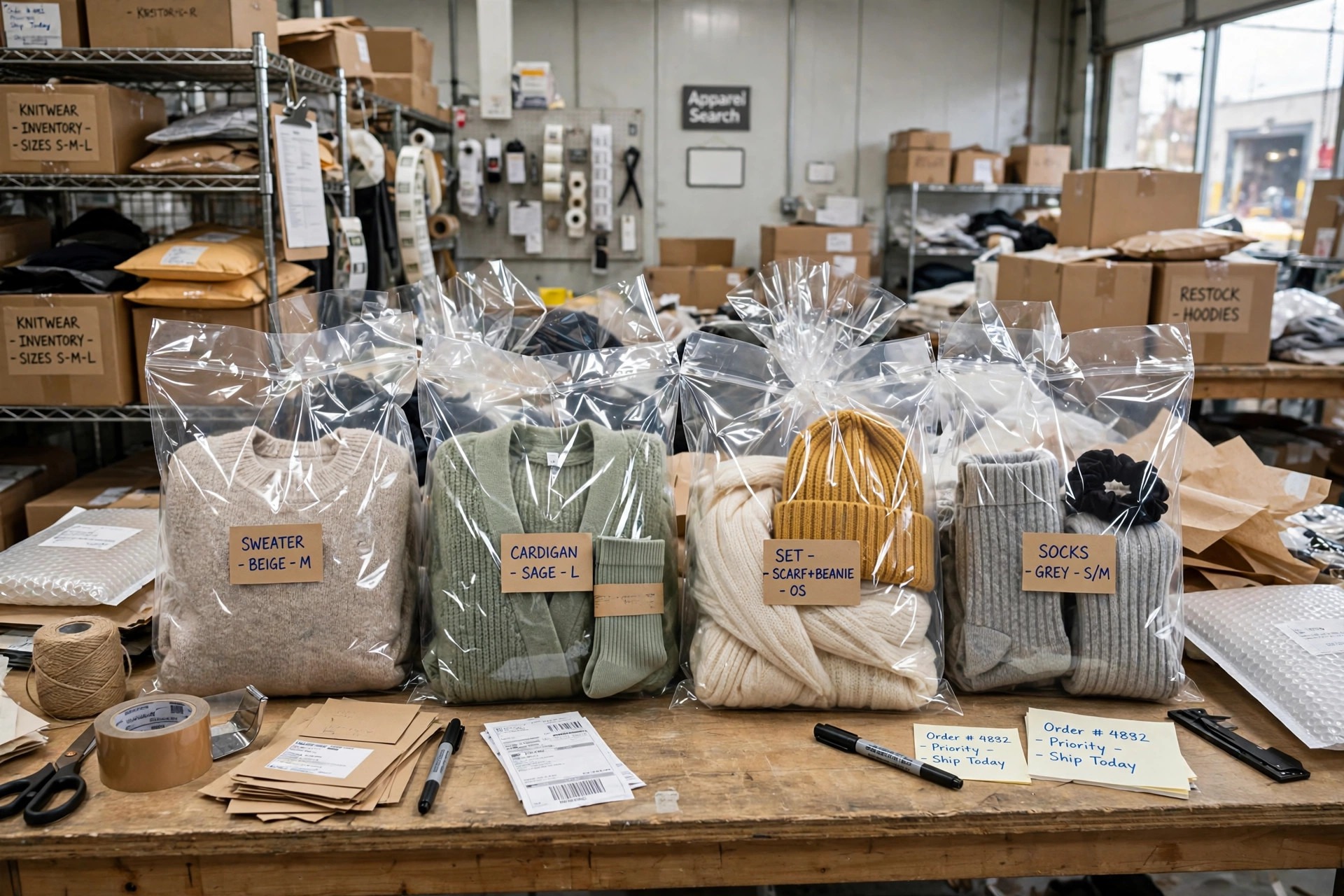
A cellophane bag is chosen for how a garment looks through it. Cellophane — regenerated cellulose film — is glass-clear and naturally crisp, so a folded shirt, a scarf or a pair of gloves sits behind it the way goods sit behind shop glass: flat, bright and untroubled by the soft wrinkles and slight haze of an ordinary poly bag. That presentation quality is why cellophane has held its place in apparel packaging for decades, on display and gift items especially, even as polyethylene took over the heavier utility work in the warehouse.
Poly Bag Types & Bag Equipment
The Material: Regenerated Cellulose Film
Cellophane is made from cellulose — plant fibre, processed into a transparent film — rather than from oil-based plastic resin. Uncoated cellophane breathes a little and is not a strong moisture barrier, so most packaging cellophane is coated to add moisture resistance and heat-sealability. The film is stiff for its thickness, folds with a sharp crease, and has the distinctive crisp rustle that shoppers associate with gift and presentation packaging.
That stiffness is a working property, not just a feel. A cellophane bag holds its shape around a folded garment, so bagged items stack squarely and a display of bagged accessories keeps its edges. The same stiffness makes the film less forgiving than polyethylene around sharp or bulky contents: a hard corner can split a seam that a stretchy poly bag would have ridden over, which is why cellophane suits flat, soft, well-folded goods best.
Cellophane's clarity is its headline property. Where polyethylene can be slightly milky and polypropylene very clear but softer in hand, cellophane gives a hard, glassy window — colours read true through it, and printed garments and labels stay legible on the shelf. For accessories, hosiery, scarves and gift sets, that window is often the reason the bag was specified.
Cellophane, Polypropylene or Polyethylene?
The three clear films divide the work between them. Polyethylene is the warehouse utility film: tough, stretchy, cheap, and slightly soft in clarity — right for protection in storage and transit. Polypropylene is clearer and stiffer than polyethylene, with a crisper hand, and covers much of the retail presentation work. Cellophane is the crispest and clearest of the three and the most presentation-led, but the least forgiving of rough handling and moisture.
Cost and supply also steer the choice. Cellophane is a specialty film beside the commodity poly films, so buyers specify it where its look earns its keep — a gift line, a premium accessory, a display range — and use polypropylene for the broader retail programme. Several suppliers listed on this page work across all three materials and can advise on the right film, size and closure for a product, which is often the fastest route to a sound specification.
Closures for cellophane bags follow the film's character: heat seals where the coated film allows, fold-over flaps with adhesive strips for hand packing, and tie or tape closures for gift work. Because the film creases sharply, a simple fold-and-seal flap stays put in a way that would spring open on a softer film.
Cellophane Bags — Suppliers & Manufacturers
Atlapac
Atlapac helps buyers work out the right bag, material and size for a product — custom or stock, reclosable, polypropylene, cellophane or polyethylene — drawing on more than 30 years in the bag business and a family-owned approach to customer industries.
Supplies: Custom and stock bags — reclosable, polypropylene, cellophane and polyethylene
Universal Plastics
Universal Plastics is a plastic bag manufacturer.
Supplies: Plastic bags for garment packing
Using Cellophane Bags Well in Apparel
Keep cellophane for the goods it flatters: flat-folded garments, soft accessories and presentation sets, packed in a dry packing area and stored away from damp, which the film tolerates less well than poly films. Size the bag close to the folded garment — the film will not stretch to forgive an undersized bag, and an oversized one loses the crisp, tailored look that justified it.
In the warehouse, treat cellophane-bagged stock as display stock: cartons lined and not overfilled, bags kept flat, and handling kept to a minimum between the packing bench and the store. The bag's job is to arrive looking like glass; everything in its routing should protect that one quality.
Common Questions
What is a cellophane bag made from?
Cellophane is regenerated cellulose — a transparent film made from plant cellulose rather than oil-based resin. Packaging cellophane is usually coated to add moisture resistance and heat-sealability. It is naturally crisp and glass-clear, which is why it is used for presentation packaging of garments and accessories.
When should a clothing company choose cellophane over a poly bag?
Choose cellophane where presentation leads: gift items, premium accessories, hosiery and display ranges where a hard, clear window and a crisp fold matter. Choose polyethylene for tough utility protection in storage and transit, and polypropylene for clear retail presentation at a broader, lower-cost programme level.
Are cellophane bags strong enough for shipping garments?
Cellophane is stiff and holds its shape well around flat, soft, well-folded goods, but it is less forgiving than polyethylene around sharp or bulky contents and less tolerant of damp. It is best used as the presentation bag on the garment, protected by a carton for shipping, rather than as the shipping protection itself.