Men's Basketball Sneakers Guide
Men's basketball sneakers are the same footwear family as basketball shoes, read from the other side of the line: where the basketball shoe guide covers performance on court, this guide covers sneakers as everyday and retro footwear - the silhouettes that left the arena for the street, the reissues of classic models, and how to buy and wear basketball sneakers when the hardest cut they will make is across a station platform.
Shop Men's Basketball Sneakers Now
Shop Men's Basketball Sneakers on Amazon Shop Men's Basketball Sneakers on eBayThe Amazon and eBay links on this page are affiliate links. If you make a purchase through them, Apparel Search may earn a commission.
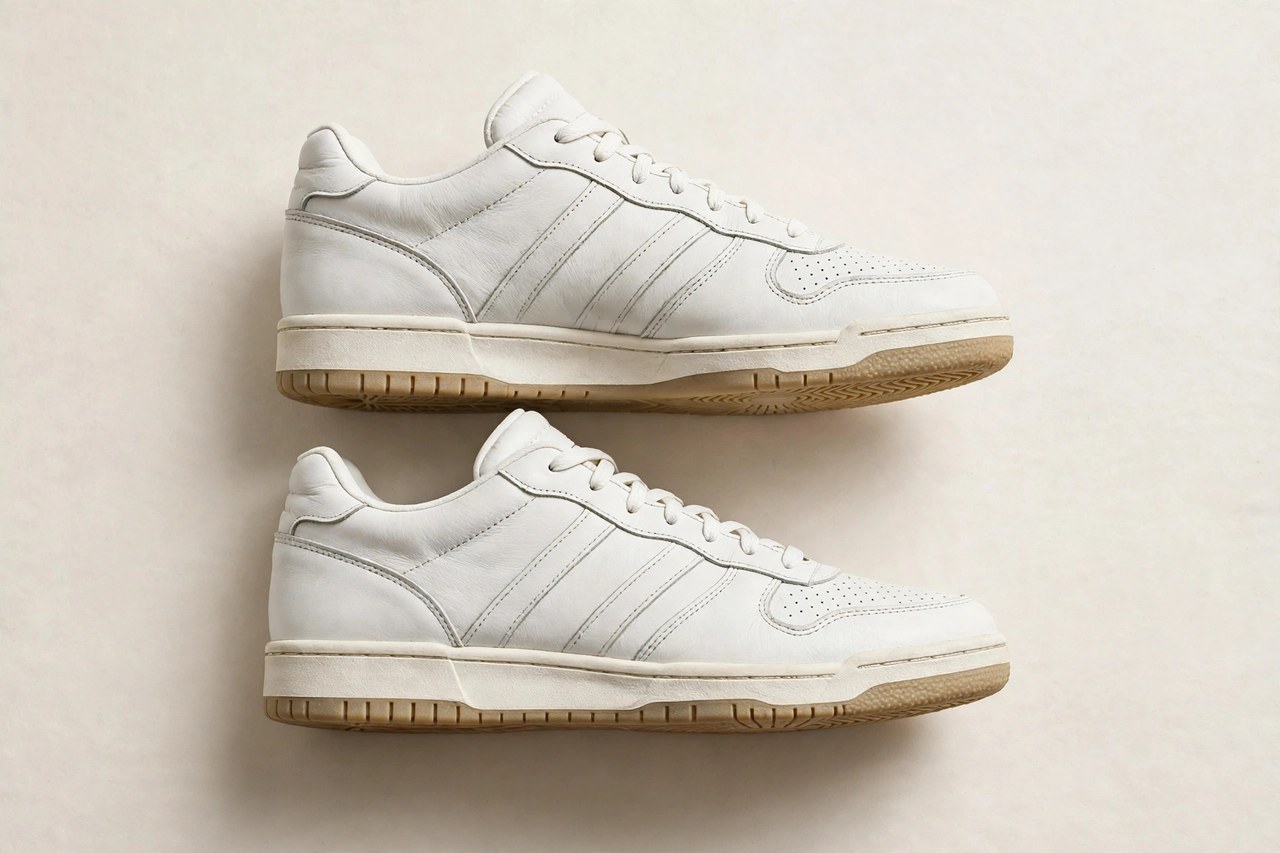
Men's basketball sneakers are the same footwear family as basketball shoes, read from the other side of the line: where the basketball shoe guide covers performance on court, this guide covers sneakers as everyday and retro footwear - the silhouettes that left the arena for the street, the reissues of classic models, and how to buy and wear basketball sneakers when the hardest cut they will make is across a station platform. This guide covers the styles worth knowing, the fit points that decide comfort, the fabrics and construction that separate a good buy from a regret, and the simple care that makes the garment last.
Styles and Construction
The category splits into current performance models worn casually, retro reissues of famous playing shoes from past decades, and lifestyle sneakers that borrow basketball styling without a playing brief. Retros are the heart of it: high-top leather silhouettes from the eighties and nineties, chunky nineties trainers, and the colorway culture around them - original colors reissued, collaborations, and limited runs that sell on story as much as leather. Lifestyle versions soften the tooling and use lighter materials, since nobody is landing from a rebound in them.
Judge any pair by the same construction checklist: how the sole is attached (cemented soles are light and cheaper, stitched welts are repairable and dearer), what the lining does with moisture over a long day, and whether the insole is removable if you use your own supports. Weight matters more than most listings admit - a heavy pair taxes every step, while a well-balanced lighter pair disappears on the foot. Finally, check the outsole compound against your surfaces: hard rubber lasts, soft rubber grips, and the right answer is the one matched to where the shoes will actually walk, play or work.
Fit and Sizing
For street wear, fit for comfort rather than containment: your normal trainer size usually applies, with room for the thicker socks casual wear prefers. Retro leather high tops need a few wears to soften at the ankle - expect it, and do not judge them by the first hour. Decide what you are buying: a reissue to wear daily should be a standard colorway in full leather; a collectible pair is a different purchase with different storage rules, and confusing the two purposes is how money gets wasted.
Fit footwear at the end of the day, when feet are at their largest, wearing the socks you will actually use. There should be roughly a thumb's width - about half an inch - between your longest toe and the end of the shoe, the heel should hold without lifting out as you walk, and the widest part of your foot should sit in the widest part of the shoe. Sizes are not standardized between makers, so treat your measured length and width as the truth and the printed size as a starting guess; between sizes, the one that needs no breaking-in argument is usually right.
Wearing and Care
Everyday pairs want the ordinary sneaker discipline: rotate them, keep them out of the wash unless the maker blesses it, and clean leather with a soft brush and mild soap. Collectible pairs live boxed, stuffed, away from light and heat that yellow soles and crack leather. White leather classics stay classic only with prompt attention to scuffs - a melamine sponge and five minutes beat a ruined pair of icons.
Care is rotation first: never wear the same pair on consecutive days if you can help it, because twenty-four hours lets moisture leave the lining and cushioning recover its shape. Brush or wipe down after wear, use trees or stuffing to hold the shape while drying, and never dry footwear on direct heat, which cracks leather and warps adhesives. Condition leather on schedule rather than on appearance - by the time it looks thirsty it is already dry - and reproof water-resistant finishes when water stops beading on the surface.
Common Questions
What is the difference between basketball shoes and basketball sneakers?
They are the same family viewed from two uses. Basketball shoes, as this site's companion guide treats them, are performance court footwear - traction, cushioning and lockdown for playing. Basketball sneakers usually means the styles worn off court: retro reissues of famous playing models and lifestyle versions styled after them, bought for comfort and looks rather than game specifications.
Are retro basketball sneakers good for actually playing?
Light recreational play, yes; serious regular play, rarely. Reissues reproduce the silhouette but often with lifestyle cushioning and softer tooling than current performance models, and decades-old designs lack modern containment. If you play weekly, buy a current performance shoe for the court and keep the retros for everything else - both will last longer.
How do you stop white basketball sneakers yellowing?
You slow it rather than stop it: store pairs out of direct light, keep them dry, clean soles promptly after wear, and avoid leaving them in hot cars or attics, since heat and UV drive the oxidation that yellows translucent and white soles. Rotation helps simply by reducing each pair's exposure hours.
More in Men's Clothes Guide B
Sneakers and the High-Top
Sneakers (also known as athletic shoes, tennis shoes, runners or trainers) are shoes primarily designed for sports or other forms of physical exercise that have evolved to be used for casual everyday activities, generally with a flexible sole of rubber or synthetic material and an upper of leather or synthetics. They are almost always worn while playing basketball. A high-top is a shoe that extends significantly over the wearer’s ankle, commonly an athletic shoe particularly worn for basketball — to be distinguished from the slightly shorter mid-top.
Looking for Men's Clothing Stores?
This guide explains men's basketball sneakers. To browse where to buy, visit our men's clothing store directory, where you can find retailers that carry them.