Men's Canvas Shoes Guide
Men's canvas shoes are casual footwear with uppers of woven canvas - usually cotton - bonded or stitched to rubber soles. The family covers the classic low sneaker, high tops, slip-ons, deck shoes and canvas espadrilles, and it is the oldest athletic-shoe construction there is: canvas-and-rubber trainers predate leather sneakers, and the design has survived because it is light, breathable, cheap to make and easy to wash.
Shop Men's Canvas Shoes Now
Shop Men's Canvas Shoes on Amazon Shop Men's Canvas Shoes on eBayThe Amazon and eBay links on this page are affiliate links. If you make a purchase through them, Apparel Search may earn a commission.
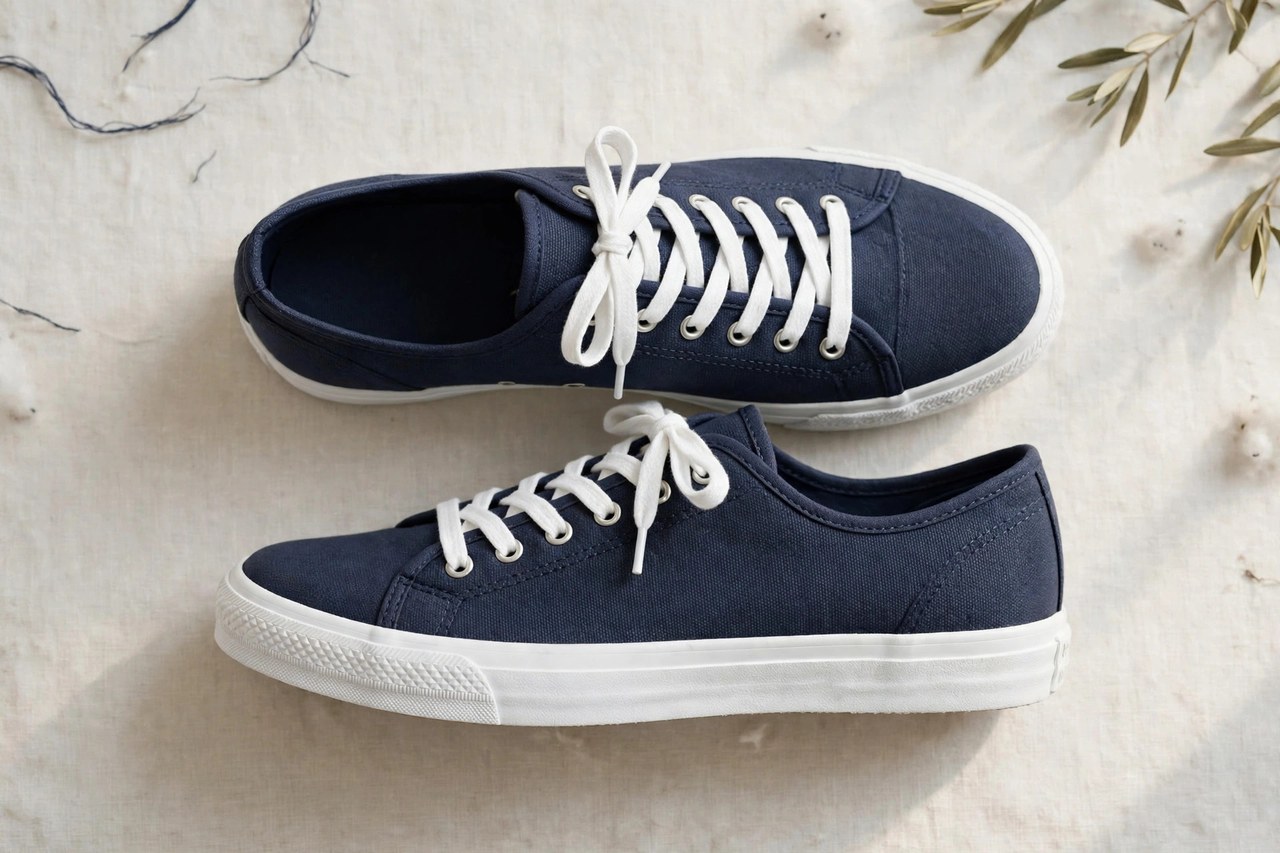
Men's canvas shoes are casual footwear with uppers of woven canvas - usually cotton - bonded or stitched to rubber soles. The family covers the classic low sneaker, high tops, slip-ons, deck shoes and canvas espadrilles, and it is the oldest athletic-shoe construction there is: canvas-and-rubber trainers predate leather sneakers, and the design has survived because it is light, breathable, cheap to make and easy to wash. This guide is built around the questions buyers actually ask: which style, which size, which fabric, and what will it look like after a year of real use - answered in order, with the trade-offs stated plainly.
Styles and Construction
Construction divides at the sole. Vulcanized shoes bake the rubber sole and foxing tape to the upper in an autoclave, giving the classic flexible sneaker with its clean white sidewall; cupsole shoes stitch or cement a pre-molded sole, usually sturdier and more cushioned. Uppers are mostly cotton canvas in weights from light summer cloth to heavy duck, sometimes hemp or recycled blends. Insole quality is the hidden variable: the cheapest canvas shoes carry a flat foam sliver, better ones a molded footbed that makes all-day wear realistic.
Judge footwear by attachment and compound: cemented soles are light and affordable, stitched or welted constructions cost more and can be repaired, and the outsole rubber decides grip against longevity - soft compounds bite, hard compounds endure. Linings decide comfort over hours, removable insoles decide whether your own supports can come along, and honest weight decides whether the pair disappears on the foot or taxes every mile of the day.
Fit and Sizing
Canvas stretches: a new pair should sit snug across the forefoot without toe pressure, because the upper will give a quarter size with wear while the length will not. Slip-ons need the closest fit of all - there are no laces to correct a loose heel. High tops support nothing structurally but protect the ankle bones and change the look entirely. Wear them with no-show socks in summer or accept the barefoot consequences for the inside of the shoe.
Fit footwear late in the day in the socks you will actually wear, with roughly a thumb's width beyond the longest toe, the heel held without lift, and the foot's widest point meeting the shoe's widest point. Sizes are unstandardized between makers - trust your measured length and width over the printed number, and require no break-in argument: a shoe that needs excuses in the shop delivers them on the road.
Wearing and Care
Canvas is the most washable upper in footwear: most pairs tolerate a gentle machine cycle in a pillowcase, air-dried away from heat that warps rubber and yellows foxing. Treat stains before washing, clean white foxing with a melamine sponge, and rotate pairs - canvas holds moisture and odor if worn daily. A waterproofing spray buys shower resistance at the cost of some breathability.
Rotation is the first care rule: a day of rest between wears lets linings dry and cushioning rebound, and it doubles a rotation's life compared with daily wear of one pair. Clean after use, dry at room temperature away from radiators, hold shape with trees or paper, and condition leather on a schedule rather than when it looks thirsty. Reproof weather finishes when water stops beading, and resole stitched footwear before the wear reaches the welt.
Common Questions
Can you machine wash canvas shoes?
Most cotton canvas shoes wash well on a gentle cycle - laces out, insoles out, inside a pillowcase to protect the drum - then air-dry stuffed with paper. Skip the machine for leather-trimmed, glued-sole dressier pairs, and never tumble-dry: heat cracks rubber and warps the foxing that gives canvas sneakers their profile.
Do canvas shoes stretch?
Yes - across the width, as the weave relaxes and molds to the forefoot, by roughly a quarter size. Length does not change. Buy snug-but-not-tight across the toes with correct length, and let the width break in; a pair that is loose when new will be sloppy within a month.
Canvas shoes versus leather sneakers - which lasts longer?
Leather, generally: it resists abrasion and weather for years with care, while canvas uppers fray at flex points and stain permanently. Canvas wins on weight, breathability, washability and price. The honest division of labor: canvas for summer and casual rotation, leather where weather and longevity rule.
More in Men's Clothes Guide C
Shoes, Footwear and the Canvas Pair
Canvas takes its place in the men’s shoes and footwear family as the lightest and most washable of the shoe uppers.
Looking for Men's Clothing Stores?
This guide explains men's canvas shoes. To browse where to buy, visit our men's clothing store directory, where you can find retailers that carry them.