Men's Cotton Shirts Guide
Men's cotton shirts are shirts woven from cotton - the fabric that built the shirt itself: poplin, twill, oxford cloth, broadcloth, end-on-end and their kin. Cotton's virtues for shirting are total: it breathes against skin, takes a press, accepts dye and print without limit, and softens across years of washing. This page covers the woven cotton shirt family; the knitted branch - the cotton T-shirt - has its own page beside it.
Shop Men's Cotton Shirts Now
Shop Men's Cotton Shirts on Amazon Shop Men's Cotton Shirts on eBayThe Amazon and eBay links on this page are affiliate links. If you make a purchase through them, Apparel Search may earn a commission.
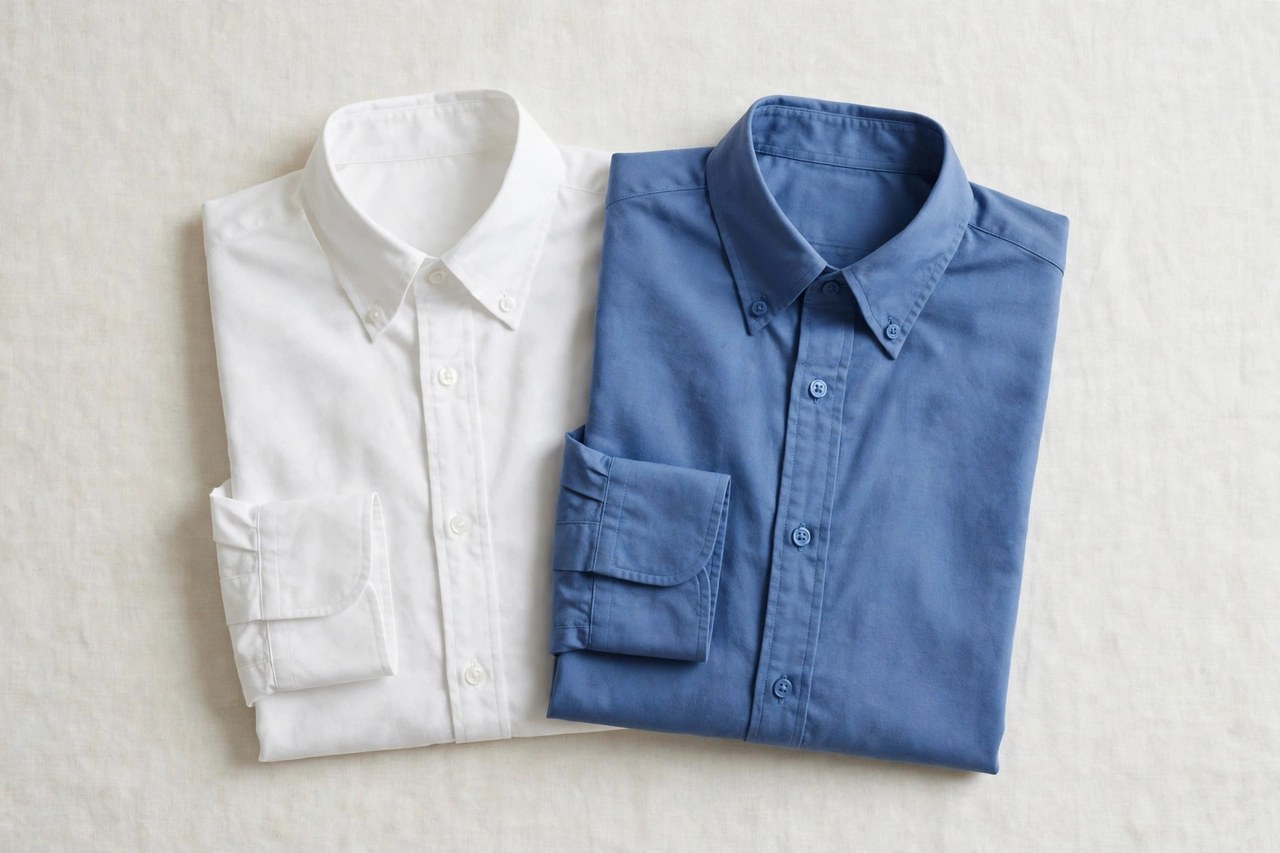
Men's cotton shirts are shirts woven from cotton - the fabric that built the shirt itself: poplin, twill, oxford cloth, broadcloth, end-on-end and their kin. Cotton's virtues for shirting are total: it breathes against skin, takes a press, accepts dye and print without limit, and softens across years of washing. This page covers the woven cotton shirt family; the knitted branch - the cotton T-shirt - has its own page beside it. This guide is built around the questions buyers actually ask: which style, which size, which fabric, and what will it look like after a year of real use - answered in order, with the trade-offs stated plainly.
Styles and Construction
Weave is the shirt's personality. Poplin and broadcloth are smooth and dressy; twill adds a diagonal richness and wrinkle mercy; oxford cloth's basket weave is casual's anchor (and the casual shirts page treats it); pinpoint and royal oxford refine it upward. Fiber grade rides above weave in importance: long-staple cottons (Sea Island, Egyptian, Pima in honest grading) make smoother, stronger cloth that resists pilling and keeps its surface - the difference is felt at year three, not day one. Wrinkle-resistant finishes trade a little breathability for mornings saved; non-iron shirts are their own bargain, honestly labeled as such.
A top earns its keep in finishing: seams that hang straight and stay even at eight to twelve stitches per inch, collars and plackets that lie flat after washing, buttons sewn with thread shanks so they sit in their holes without pulling. Hold the cloth to the light - a tight, even weave or knit outwears a loose one at the same labeled weight, and pattern pieces cut on grain keep the garment from twisting around your body by the third wash.
Fit and Sizing
Fit cotton shirts by neck and sleeve when they are dress shirts (the numbers are your measurements, not letters), and by shoulder and body for casual builds. Pure cotton relaxes through a day's wear and shrinks mostly in its first hot wash - a collar that fits exactly in the shop should admit two fingers, your insurance against the wash and the years. Sleeves to the wrist's crease with arms bent, tails long enough to stay tucked if tucking is the plan.
Fit tops shoulders and chest first, because tailors cannot cheaply move either: the shoulder seam ends at the shoulder bone, the chest closes without pulling, and both arms raise without the hem escaping the waistband. Tucked lengths must stay tucked sitting; untucked lengths should end mid-fly. Sleeves are the cheap alteration, shoulders the permanent one - reject a wrong shoulder for any reason, forgive a long sleeve for many.
Wearing and Care
Cotton shirts launder as the world's default garment: wash cool to warm by color, tumble low or hang, iron at cotton's setting while slightly damp for the crispest result with the least effort. Collars and cuffs soil first - pre-treat them - and a shirt rotated among five or more lives years longer than a shirt worn on a two-shirt loop.
Launder tops by the label with three defaults: cool or warm water to protect color and trims, dark and printed pieces inside out, and low or line drying, which is the largest single lever on a shirt's lifespan. Fasten buttons and zips before washing to protect the whole load, treat stains before the dryer can set them, and store knits folded so their shoulders keep the shape they were knitted with.
Cotton's great summer rival is flax: linen vs cotton compares the two plant fibers on coolness, wrinkling, durability and care.
Common Questions
What is the best cotton for shirts?
Long-staple cotton, finely woven: it spins smoother, stronger yarn, so the cloth stays smooth, resists pills and keeps its hand through hundreds of washes. Sea Island is the rarest grade, quality Egyptian and American Pima the practical ones. Below fiber grade, weave and make matter more than marketing names - a well-made shirt in good ordinary cotton beats a sloppy one in famous fiber.
Do cotton shirts shrink?
Yes, modestly - quality shirting is usually pre-shrunk or sanforized to keep total shrinkage around one to two percent, concentrated in length and collar in the first washes. Buy the collar with two fingers' room and the sleeve a shade generous, wash cool, and the shirt you fitted is the shirt you keep.
Cotton or cotton-blend shirts?
Pure cotton breathes and presses best and is the classic choice; blends with a little polyester add wrinkle resistance and wash life at some cost in breathability and hand. For travel and low-iron lives the blend earns its place; for the shirt at its best, pure long-staple cotton remains the standard the blends imitate.
More in Men's Clothes Guide C
Looking for Men's Clothing Stores?
This guide explains men's cotton shirts. To browse where to buy, visit our men's clothing store directory, where you can find retailers that carry them.