Women's Basketball Shoes Guide
Herringbone traction, position-specific cushioning and the high-top debate — how to pick shoes that own the court.
Shop Women's Basketball Shoes Now
Shop Women's Basketball Shoes on Amazon Shop Women's Basketball Shoes on eBayThe Amazon and eBay links on this page are affiliate links. If you make a purchase through them, Apparel Search may earn a commission.
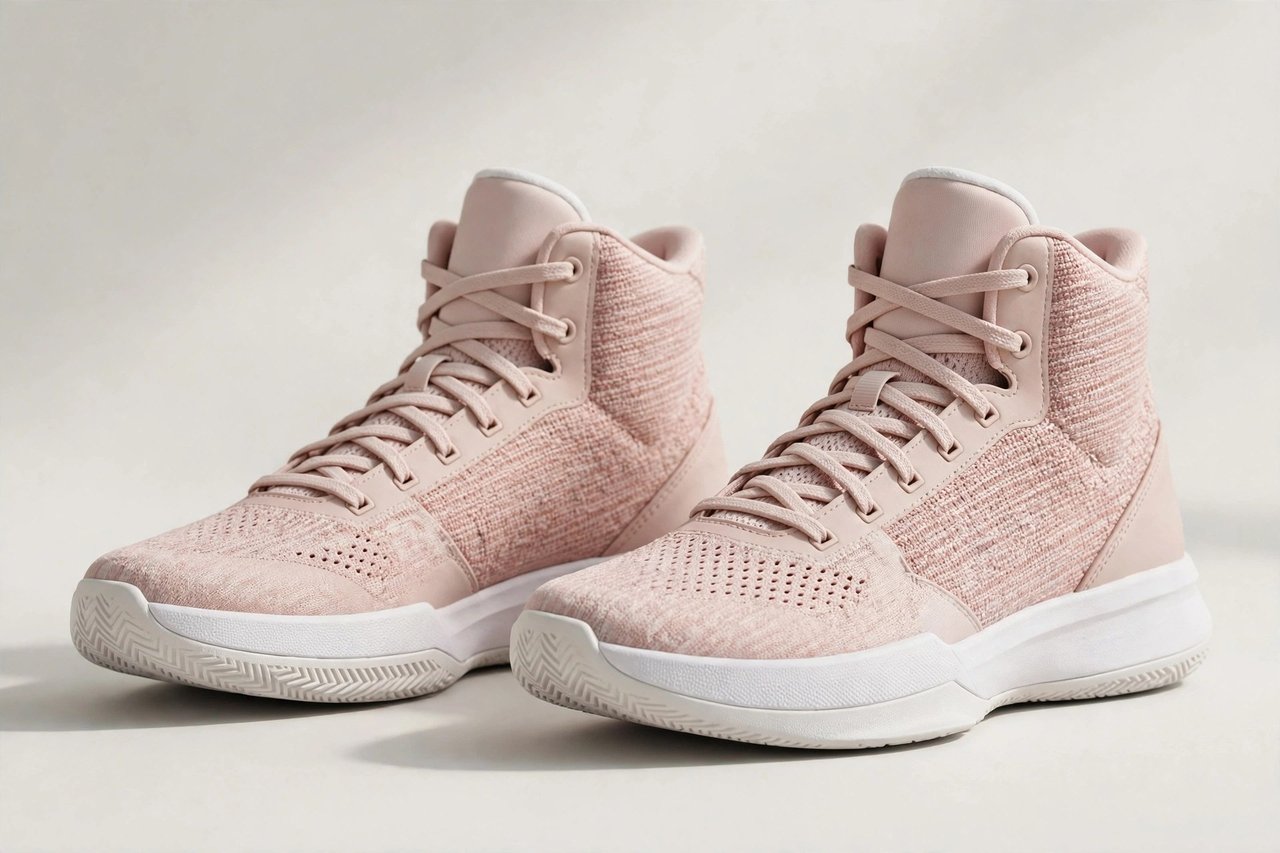
Basketball asks more of a shoe than almost any other sport: sprint, stop on a dime, slide sideways, jump, land, and do it all again forty seconds later, on a surface that punishes a dusty sole. Women's basketball shoes have evolved into highly specialized equipment, with traction patterns tuned like tire treads, cushioning systems matched to how you play, and uppers engineered to lock a foot down through violent changes of direction. Because women on average land and cut with different mechanics than men, and because a women's last is narrower in the heel with a different arch profile, a shoe designed for women is not a cosmetic choice — it is a fit and injury-prevention choice.
High Tops, Mid Tops and Low Tops
The high top, basketball's original silhouette, wraps the ankle in a padded collar. Research has softened the old claim that height alone prevents sprains — fit and lockdown matter more — but many posts and forwards still prefer the proprioceptive feedback and confident feel of a collar around the ankle. Mid tops split the difference and are the most versatile choice for all-around players. Low tops, now common among guards, cut weight and free the ankle for maximum speed and ankle mobility, relying on a wide, stable base and a strong heel counter instead of height. Players with a history of ankle injuries often pair any height with a brace or tape, which the shoe must have room to accommodate. Choose by position, injury history, and honest preference: the best shoe is the one you trust at full speed.
Court Traction Patterns Explained
Traction is the soul of a basketball shoe, and the classic herringbone pattern — zigzag grooves in the rubber outsole — still sets the standard because it grips in every direction and sheds dust as it flexes. Radial and circular patterns pivot smoothly for spin moves and post footwork, with a pivot point often molded under the ball of the foot. Blade and multidirectional nubs appear on modern outsoles tuned for specific court motions. Groove depth and rubber hardness decide how a shoe handles a dusty recreational court: softer rubber and deeper grooves bite better on dirty floors but wear faster, while harder outsoles last on outdoor asphalt at the cost of some indoor grip. Wipe soles with your hand or a court-side mat during breaks — a surprising amount of lost traction is just dust. Shoes meant only for hardwood should never grind away their pattern on blacktop if you want them to stay grippy.
Cushioning Matched to Your Position
Cushioning is not one-size-fits-all, because positions load the body differently. Guards live on first steps and crossovers and usually thrive in low-to-the-ground setups with responsive foam that returns energy and keeps court feel sharp. Forwards split the difference, needing impact protection for rebounding landings plus enough responsiveness to run the floor. Centers and power players absorb the hardest landings in the paint and benefit from maximum impact cushioning under the heel, paired with a stable, wide base that will not roll on a crowded landing. Foam compounds, air units, and springy plates all deliver these qualities differently; what matters is the match. A maximally soft shoe can feel unstable on defense, while a firm guard shoe can leave a post player's knees aching after a tournament weekend. Match the shoe to your minutes, your position, and the surfaces you play on most.
Fit for Jumping, Cutting and Long Games
Fit a basketball shoe with game socks on, ideally after a workout when your feet have swelled the way they will in the fourth quarter. You need roughly a thumbnail of space in front of the longest toe for hard stops, a heel locked with no lift when you rise for a shot, and a midfoot laced firmly enough that the foot does not slide forward on defensive slides — that forward slide is what blackens toenails. Women's models narrow the heel and raise the arch support appropriately; if you feel heel slip in a unisex shoe, a women's last often fixes it without sizing down into toe trouble. Break shoes in over practices, not in a tournament, and rotate two pairs if you play daily so the cushioning foam recovers between sessions. Replace shoes when the traction smooths out or the midsole stops rebounding, which frequent players may reach within a season.
Care and Court-Only Discipline
The single best care habit is keeping basketball shoes as court-only shoes: change into them at the gym, and the outsoles stay clean, soft, and grippy instead of grinding down on pavement and picking up grit that scratches hardwood. Air shoes out after every session with the laces loosened, remove insoles after tournament days, and never leave them sealed in a gym bag overnight, where moisture softens glues and breeds odor. Wipe uppers with a damp cloth; most modern knit and synthetic uppers should not be machine washed or dried with heat. A light brush restores dusty outsoles before a game. Stored loosely in a cool spot and kept off the street, a quality pair holds its traction and cushioning through a full competitive season.
Related Women's Guides
More to Explore
- Basketball shoes
- Footwear Definitions
- Shoes
- Women's Athletic Clothing
- Women's Athletic Shoes
- women's athletic shoes
- Women's Boots
- Women's Casual Shoes
- Women's Dress Shoes
- Women's Footwear
- Women's Footwear Guide
- women's high top basketball shoes
- women's low top basketball shoes
- Women's Sandals
- Women's Shoe Stores
- Women's Shoes
- Women's Shoes
- Women's Trend Shoes
Photos

Looking for Women's Clothing Stores?
This guide helps you choose women's basketball shoes by style and fabric. To browse where to buy, visit our women's clothing store directory, where you can find retailers that carry them.